


How Injection Molding Techniques Are Redefining Modern Furniture Design?
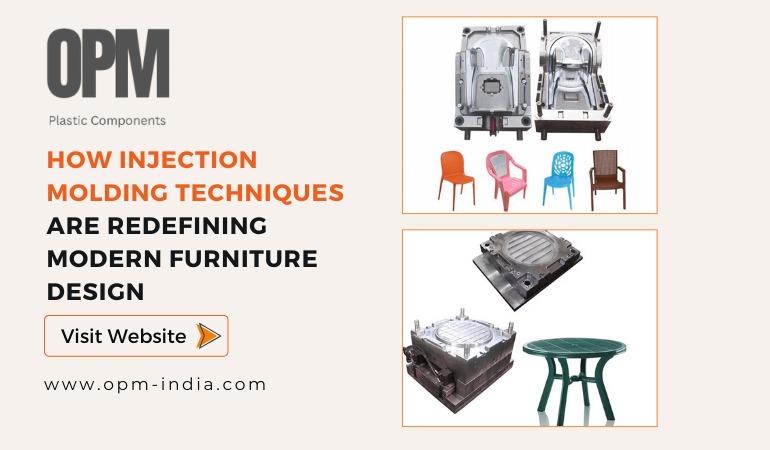
In the past ten years, innovation, sustainability objectives, and the rising desire for long-lasting, lightweight, and aesthetically beautiful items have all contributed to a substantial evolution in modern furniture design. Injection molding is one of the most creative industrial processes driving this growth in design.
Injection molding is a key component in creating modern furniture, from sleek home decor pieces to ergonomic seats and modular storage systems. Manufacturers all over the world choose this method because of its capacity to create intricate shapes with accuracy and consistency. The explanation of injection molding, important methods, materials, sustainable practices, and useful applications in the field of contemporary furniture are all covered in this article.
Injection molding for furniture parts guarantees durability, strength, and consistency in everything from chair frames to ornamental elements. Injection molding continues to drive the development of contemporary furniture as manufacturers look for creative methods to combine beauty and functionality, producing items that are both useful and eye-catching.
In this blog, we’ll explore how advanced injection molding techniques are transforming modern furniture design with precision, creativity, durability, and innovative functionality.
What is Injection Molding for Modern Furniture Design?
Injection Molding for Modern Furniture Design is a manufacturing method that shapes molten plastic into precise, durable components. Used widely in Injection Molding for Furniture Design, it enables sleek aesthetics, consistent quality, ergonomic forms, and cost-efficient mass production, making it ideal for creating innovative, lightweight, and contemporary furniture pieces.
Key highlights of injection molding in modern furniture design include:
- Precision Production: The method ensures consistent dimensions and quality for every unit, making it ideal for large-scale furniture manufacturing.
- Design Freedom: Designers can experiment with curves, textures, patterns, and ergonomic shapes not possible with wood or metal alone.
- Efficiency: High-speed cycles reduce production time and labor costs.
- Material Versatility: Suitable for many plastics, composites, recycled materials, and hybrid blends.
- Strength & Durability: Molded parts are strong, lightweight, and resistant to environmental factors.
Injection molding offers the ideal fusion of innovation and functionality in response to consumer demands for fashionable, contemporary, and long-lasting furniture.
Key Injection Molding Techniques in Modern Furniture
As injection molding develops further, it provides producers with sophisticated tools to produce high-end furniture. These days, some of the most effective methods are as follows:
1. Standard Injection Molding
This is the most popular method for making plastic furniture parts like tables, chairs, and stools. To create a finished product, molten plastic is injected into a single mold.
Benefits:
- Ideal for high-volume production
- Excellent dimensional accuracy
- Suitable for simple and moderately complex designs
2. Gas-Assisted Injection Molding
This method involves injecting both the molten plastic and nitrogen gas into the mold. The gas reduces weight without sacrificing strength by creating hollow areas within the component.
Benefits:
- Produces lightweight yet sturdy furniture
- Eliminates sink marks and warping
- Allows thicker or deeper sections without defects
3. Two-Shot (Multi-Material) Injection Molding
Products with multiple functions or colors are made by progressively injecting two different materials or colors into the same mold.
Benefits:
- Enables ergonomic grips and soft-touch surfaces
- Enhances product aesthetics
- Reduces assembly requirements
4. Insert Molding
During the molding process, this method mixes plastic with pre-positioned metal, wood, or other inserts.
Benefits:
- Creates hybrid components
- Enhances load-bearing capacity
- Reduces the need for fasteners
5. Structural Foam Injection Molding
A solid outer shell and a foam interior are created using a chemical impact agent.
Benefits:
- Reduces material cost
- Improves strength-to-weight ratio
- Provides excellent rigidity
Used in: Large seating components and load-bearing furniture frames.
These methods enable manufacturers to customize production according to design complexity, aesthetic appeal, and performance requirements.
Materials and Sustainability in Injection Molding
Injection molding has made conservation a top priority due to the increasing demand for environmentally friendly furnishings. To lessen their influence on the environment, manufacturers are looking into novel materials and streamlining their operations.
1. Common Materials Used in Furniture Injection Molding
Modern furniture often incorporates the following plastics:
- Polypropylene (PP): Lightweight, durable, and cost-effective; perfect for chairs, stools, and storage.
- Polycarbonate (PC): Offers high transparency and impact resistance; used in premium furniture.
- Acrylonitrile Butadiene Styrene (ABS): Tough plastic used for structural components and decorative parts.
- Nylon (PA): High mechanical strength; suitable for moving parts and connectors.
- Glass-Filled Plastics: Used to strengthen load-bearing furniture frames.
For contemporary furniture design, these materials offer the perfect ratio of strength, beauty, and moldability.
2. Sustainable Materials
Eco-friendly techniques are gradually being adopted by the injection molding sector, including:
- Recycled Plastics: Post-consumer and post-industrial plastics are widely used for furniture parts.
- Bioplastics: Made from renewable sources like corn, sugarcane, and algae; used in sustainable furniture lines.
- Regrind Materials: Waste from the molding process is reprocessed into new products.
- Long-Life Design: Injection-molded furniture is durable, reducing the need for frequent replacements.
3. Energy-Efficient Processes
Modern injection molding machines use:
- Electric and hybrid systems
- Optimized heating cycles
- Automated quality control
These developments enhance sustainability across the production cycle and lower carbon emissions.
Applications of Injection Molding in Modern Furniture Design
These days, injection molding is frequently utilized to produce fashionable and useful furniture for homes, businesses, and industries. Important uses consist of:
1. Plastic Chairs and Seating Solutions
Plastic chair injection molding is one of the most popular applications, creating items that are:
- Lightweight
- Stackable
- Durable
- Weather-resistant
Applications include modern dwellings, institutions, cafes, and outdoor spaces.
2. Home Furniture Components
Injection molding is crucial for producing a variety of components for home furnishings, such as:
- Table legs and tops
- Storage containers
- Shelving units
- Drawer components
- Wardrobe fittings
When compared to conventional materials, these items have better uniformity, durability, and style.
3. Modular and Space-Saving Furniture
Compact, adaptable furniture is essential for modern city living. Injection molding allows for:
- Foldable chairs
- Interlocking storage systems
- Modular tables
- Multi-functional décor items
Its accuracy guarantees a flawless fit and simple assembly.
4. Office and Workspace Furniture
Ergonomic office equipment made with injection molding includes:
- Chair backs and bases
- Armrests
- Cable management components
- Keyboard trays
- Protective casings
These elements contribute to increased workplace comfort and productivity.
5. Automotive-Inspired Furniture
Injection molding automobile parts technology is frequently used by manufacturers to create furniture with:
- High mechanical performance
- Enhanced durability
- Modern aesthetics
The strength and quality of high-end furniture collections are enhanced by methods taken from the automotive sector.
How OPM helps:
Injection Molding in Modern Furniture Design is transforming the way we create stylish, durable, and functional home pieces. With advanced Plastic Molding Manufacturing, brands can achieve precise shapes, smooth finishes, and consistent quality at scale. Modern Household Plastic Injection Molding Design allows designers to experiment with bold forms and ergonomic features while maintaining cost-efficiency.
When it comes to Injection Molding for Furniture Parts, OPM supports the entire process—from concept optimization to material selection—ensuring each component meets high standards of strength and aesthetics. This innovative approach empowers manufacturers to deliver contemporary furniture that blends creativity, reliability, and sustainability, elevating modern living spaces effortlessly.
Conclusion:
In conclusion, Injection Molding in Modern Furniture Design continues to redefine what’s possible in style, durability, and production efficiency. Its precision and versatility empower designers to create innovative furniture pieces that meet today’s demand for affordability and quality. As technology advances, injection molding will play an even greater role in shaping smarter, more sustainable home products.
Ready to elevate your furniture designs with high-performance molded components? Explore the possibilities and take the next step toward modern, efficient manufacturing—start your project today!

 Arabic
 French
 Spanish
 Portuguese
 Deutsch
 Turkish
 Dutch
Dutch
 Italiano
 Russian
 Romaian
 Portuguese (Brazil)
 Greek
Greek