


What Is Gynecomastia and What Causes It?
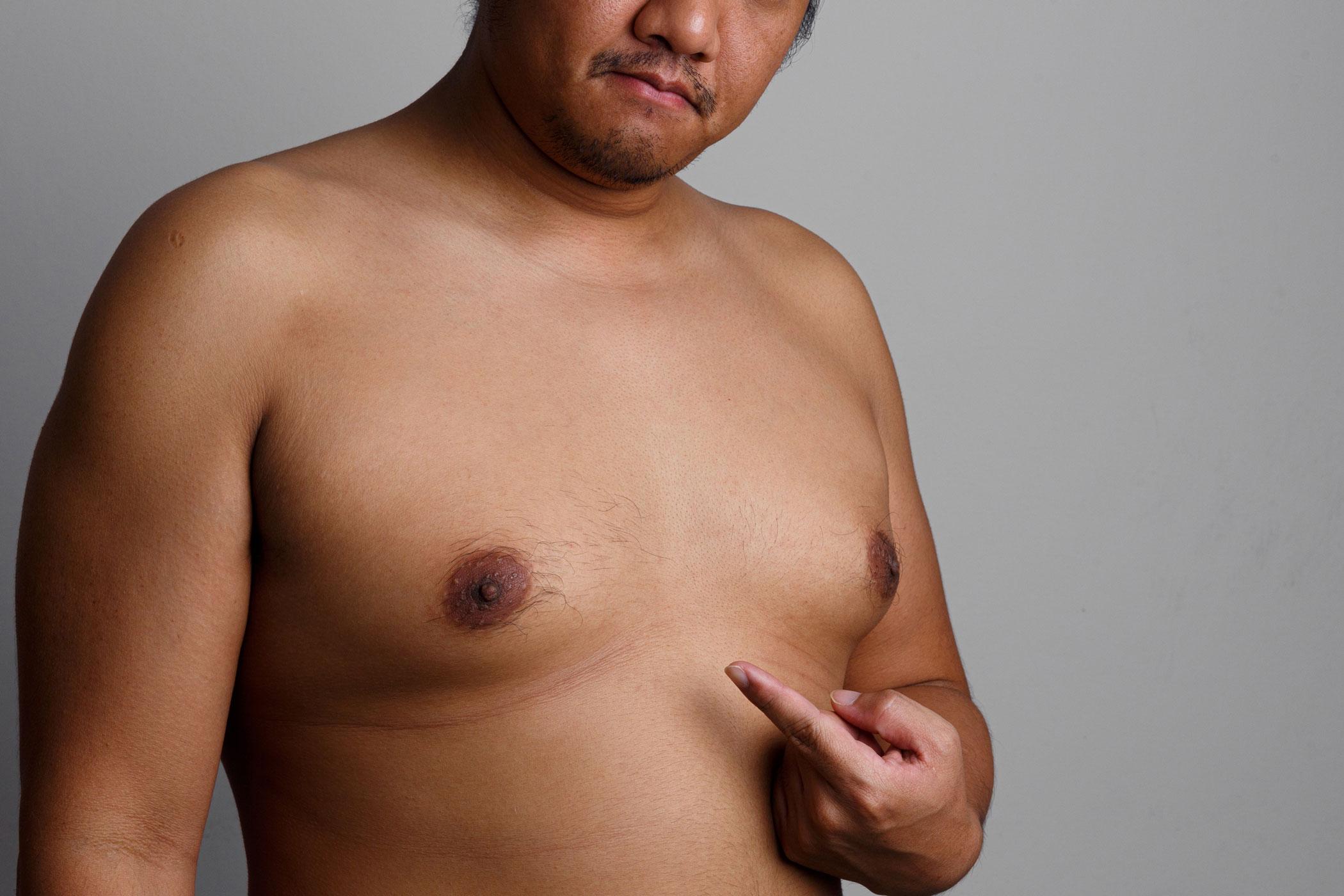
Gynecomastia is a condition that leads to the enlargement of male breast tissue, often causing emotional discomfort, physical insecurity, and disruption in daily life. Many men struggle silently with this issue, not realizing how common or treatable it actually is. As awareness grows, more people are seeking medical explanations and treatment options such as Gynecomastia Surgery in Riyadh, which continues to be a trusted solution for restoring confidence and chest appearance.
Understanding Gynecomastia
Gynecomastia refers to the benign overgrowth of glandular breast tissue in males. This isn’t the same as regular fat buildup; it involves actual breast gland enlargement, which makes the chest appear fuller, rounder, or more feminine in shape. It can affect one or both sides of the chest and may feel tender or firm to the touch.
While it’s harmless medically, it often impacts self-esteem, especially in teenagers and adult men who feel uncomfortable wearing fitted shirts or going shirtless.
What Causes Gynecomastia?
Gynecomastia can have several underlying causes, ranging from hormonal changes to lifestyle and health-related conditions. Below are the most common reasons men develop this condition:
1. Hormonal Imbalance
The primary cause is an imbalance between two important hormones:
-
Estrogen, which stimulates breast tissue growth
-
Testosterone, which controls male characteristics
When estrogen levels rise or testosterone levels drop, even slightly, breast tissue can begin to develop. This imbalance can occur naturally during puberty, middle age, or older adulthood.
2. Puberty-Related Changes
Up to 70% of adolescent boys experience temporary gynecomastia due to fluctuating hormones. In most cases, it resolves on its own within months to a couple of years. However, if the tissue remains into adulthood, it may require medical intervention.
3. Aging
As men age, natural testosterone levels decrease. Combined with increased fat retention and changes in metabolism, this creates a hormonal environment that may cause breast tissue to enlarge.
4. Medications
Certain medications can trigger gynecomastia, such as:
-
Anti-anxiety drugs
-
Antidepressants
-
Heart medications
-
Steroids
-
Some herbal supplements
These substances can either disrupt hormone production or mimic estrogen-like effects in the body.
5. Weight Gain
Although true gynecomastia involves glandular tissue, excess fat can create a condition called pseudogynecomastia, where the chest looks enlarged due to fat accumulation. In many cases, both fat and gland tissue coexist, making the chest appear especially prominent.
6. Medical Conditions
Conditions such as liver disorders, thyroid imbalances, tumors, and chronic illnesses can affect hormone levels and trigger gynecomastia. Proper medical diagnosis is essential to rule out underlying health issues.
7. Substance Use
Some recreational substances are linked to breast tissue enlargement, including:
-
Marijuana
-
Alcohol (excessive use)
-
Anabolic steroids
-
Amphetamines
These substances influence hormone regulation and may contribute to the development of gynecomastia.
Symptoms of Gynecomastia
Common signs include:
-
Swollen, firm, or rubbery breast tissue
-
Tenderness or sensitivity around the chest
-
Uneven chest appearance (one side larger than the other)
-
Difficulty wearing fitted clothing
-
Emotional distress or self-consciousness
Gynecomastia may develop gradually or suddenly, depending on the cause.
Diagnosing Gynecomastia
A proper diagnosis typically involves:
-
Physical examination of the chest
-
Review of medical history
-
Hormone level testing
-
Imaging such as ultrasound or mammogram (in rare cases)
Identifying the cause helps determine whether the condition will resolve naturally or requires surgical treatment.
Can Gynecomastia Be Treated?
Yes. Gynecomastia is highly treatable, and men no longer have to struggle with the appearance of excess chest tissue. Treatment options vary based on the underlying cause:
1. Lifestyle Adjustments
In cases related to medication use, weight gain, or lifestyle habits, adjusting those factors may help reduce symptoms.
2. Hormonal Treatment
If hormonal imbalance is the main cause, doctors may prescribe medications to restore balance.
3. Surgical Treatment
For persistent or severe gynecomastia, surgery is the most effective and permanent solution. Modern techniques allow surgeons to remove glandular tissue, fat, or both, resulting in a flat, masculine chest contour that looks natural.
Gynecomastia and Mental Well-Being
Gynecomastia affects more than appearance — it can significantly impact self-esteem. Many men avoid swimming, changing clothes in public, or participating in physical activities. Treating gynecomastia often brings emotional relief and renewed confidence, making it more than just a cosmetic decision.
Conclusion
Gynecomastia is a common condition caused by hormonal fluctuations, lifestyle factors, medications, or medical conditions. Although it can be distressing, it is highly treatable, especially with modern surgical techniques. For patients seeking reliable solutions, Enfield Royal Clinic offers specialized Gynecomastia Surgery in Riyadh, providing expert care and natural-looking results to help men restore confidence and regain a masculine chest contour.

 English
 French
 Spanish
 Portuguese
 Deutsch
 Turkish
 Dutch
Dutch
 Italiano
 Russian
 Romaian
 Portuguese (Brazil)
 Greek
Greek