


Cipmox 500mg vs Other Antibiotics: Which Wins for Skin Infections?

Hey everyone, if you've ever woken up with a red, swollen patch on your skin that feels like it's on fire, you know the misery of a skin infection. I've dealt with a couple of these myself over the years—one from a minor cut that got infected during a hike, and another that turned out to be cellulitis after ignoring it too long. It's scary how quickly things can escalate. That's why choosing the right antibiotic matters so much. Today, we're diving into Cipmox 500mg, which is basically Amoxicillin 500mg, and how it stacks up against other common antibiotics for skin infections. I'll break it down based on what I've learned from reliable medical sources, personal insights, and expert guidelines. Remember, I'm not a doctor—just someone who's passionate about health and wants to help you make informed decisions. Always consult your healthcare provider for personalized advice.
What Is Cipmox 500mg and How Does It Fit Into Skin Infection Treatment?
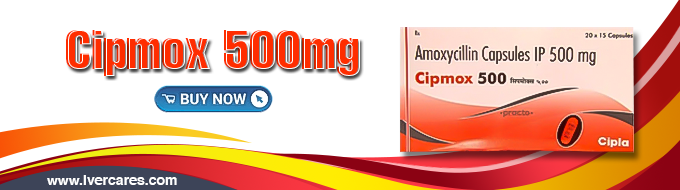
Cipmox 500mg is a generic form of Amoxicillin, made by Cipla, a trusted pharma company. It's a penicillin-type antibiotic that fights bacteria by messing with their cell walls, causing them to burst and die. For skin infections, it's often prescribed for milder cases caused by susceptible bacteria like streptococci.
From what I've seen, Amoxicillin absorbs well—about 70-80% even with food—which makes it convenient. It's affordable too, which is a big plus if you're dealing with recurring issues. But it's not a one-size-fits-all; its effectiveness depends on the bacteria involved.
Skin infections, or SSTIs (skin and soft tissue infections), range from superficial like impetigo to deeper like cellulitis or abscesses. Cipmox shines in streptococcal infections but might need backup for staph-heavy ones.
Common Types of Skin Infections and Their Bacterial Culprits
Before comparing antibiotics, let's quickly cover the usual suspects. This helps understand why one med might "win" over another.
- Impetigo: A crusty, contagious rash often from strep or staph. It's common in kids and spreads fast.
- Cellulitis: Red, swollen skin that's hot and tender, usually from strep or staph entering through a cut.
- Abscesses: Pus-filled pockets, often MRSA-related these days, needing drainage plus meds.
- Folliculitis or Boils: Hair follicle infections, staph-driven.
In my experience, ignoring a small boil once led to a bigger problem—lesson learned: early treatment is key. Bacteria like Streptococcus and Staphylococcus are the main players, but resistance (like MRSA) changes the game.
How Effective Is Cipmox 500mg for Skin Infections?
Cipmox 500mg is solid for many skin infections, especially those from beta-hemolytic streptococci. Studies show it works well for uncomplicated cases, with success rates around 80-90% when bacteria are susceptible.
For example, in cellulitis without MRSA suspicion, Amoxicillin can be a first-line choice. It treats skin issues caused by strep effectively, and since it's broad-spectrum, it covers some gram-negative bugs too.
However, for staph infections, especially MRSA, it's not the best solo player. That's where combinations like Augmentin (Amoxicillin + Clavulanic acid) come in, adding resistance-fighting power. I've read cases where plain Amoxicillin cleared up impetigo quickly, but always get a culture if possible.
One downside: If you're allergic to penicillin, Cipmox is off the table—about 10% of people are.
Comparing Cipmox 500mg to Other Popular Antibiotics
Now, the juicy part: head-to-head comparisons. Based on guidelines from places like IDSA (Infectious Diseases Society of America), let's see how Cipmox fares.
Cipmox 500mg vs. Cephalexin (Keflex)
Cephalexin, a cephalosporin, is often the go-to for skin infections. It's similar to Amoxicillin but has better staph coverage without as much resistance worry.
- Effectiveness: Both handle strep well, but Cephalexin edges out for mild cellulitis (88% vs. 85% cure rates in some studies).
- Side Effects: Similar GI issues, but Cephalexin might cause less diarrhea.
- Who Wins?: Cephalexin for staph-heavy infections; Cipmox if cost is a factor or for pure strep.
I once switched from Amoxicillin to Cephalexin for a lingering infection—worked like a charm.
Cipmox 500mg vs. Clindamycin
Clindamycin is a lincosamide antibiotic, great for anaerobic bacteria and MRSA.
- Effectiveness: Superior for abscesses and MRSA (up to 95% success); Amoxicillin lags if resistance is present.
- Side Effects: Clindamycin risks C. diff diarrhea more than Amoxicillin.
- Who Wins?: Clindamycin for severe or resistant cases; Cipmox for milder, non-MRSA ones.
It's pricier, but worth it if drainage alone isn't enough.
Cipmox 500mg vs. Doxycycline
Doxycycline, a tetracycline, is broad-spectrum and oral-friendly.
- Effectiveness: Excellent for acne-like folliculitis or MRSA; comparable to Amoxicillin for community-acquired infections.
- Side Effects: Sun sensitivity with Doxy; Amoxicillin is gentler on the skin.
- Who Wins?: Doxycycline for long-term or resistant staph; Cipmox for acute strep-driven issues.
Great for travelers, as it covers more bugs.
Cipmox 500mg vs. Bactrim (Trimethoprim-Sulfamethoxazole)
Bactrim is a sulfa drug, first-line for MRSA skin infections.
- Effectiveness: Beats Amoxicillin for abscesses (90% vs. 70% in resistant cases).
- Side Effects: More allergic reactions with Bactrim; Amoxicillin is safer for kidneys.
- Who Wins?: Bactrim for suspected MRSA; Cipmox for non-resistant strep.
Affordable and effective, but watch for sulfa allergies.
Cipmox 500mg vs. Augmentin
Augmentin is Amoxicillin plus clavulanic acid.
- Effectiveness: Augmentin handles resistant bacteria better (e.g., beta-lactamase producers).
- Side Effects: More GI upset with Augmentin.
- Who Wins?: Augmentin for tougher infections; plain Cipmox for simple ones to avoid overuse.
It's like Cipmox on steroids.
Pros and Cons of Choosing Cipmox 500mg
Let's weigh it out simply.
Pros:
- Affordable and widely available.
- Well-tolerated with fewer severe side effects.
- Effective for strep-related skin issues like erysipelas.
- Can be taken with food.
Cons:
- Limited against MRSA or resistant staph.
- Risk of allergic reactions in penicillin-sensitive folks.
- May need longer courses for full clearance.
In my view, it's a solid starter antibiotic, but not always the finisher.
When Should You Choose Cipmox Over Other Antibiotics?
Go for Cipmox if:
- Your doctor suspects strep as the main cause.
- It's a mild, uncomplicated infection.
- You need something cost-effective and easy.
Switch if symptoms worsen or cultures show resistance. Guidelines suggest starting broad and narrowing based on tests.
Prevention is huge too—keep wounds clean, moisturize skin, and boost immunity.
Side Effects and Precautions for All These Antibiotics
No antibiotic is risk-free. Common issues include nausea, rash, and diarrhea. Serious ones: anaphylaxis or antibiotic resistance from overuse.
Precautions:
- Tell your doc about allergies or other meds.
- Finish the full course.
- Probiotics can help gut health.
I've found staying hydrated helps minimize side effects.
Frequently Asked Questions (FAQs)
Here are some common questions I've heard or wondered myself.
Is Cipmox 500mg good for all skin infections? No, it's best for strep-caused ones like cellulitis without MRSA. For staph or abscesses, others like Bactrim might be better.
How long does it take for Cipmox to work on skin infections? Usually 2-3 days for improvement, but full course (7-10 days) is key.
Can I use Cipmox if I'm allergic to penicillin? Absolutely not—risk of severe reaction.
What's the difference between Cipmox and Penicillin? Cipmox (Amoxicillin) is better absorbed and covers more bacteria types.
Are there natural alternatives to antibiotics for skin infections? For mild cases, tea tree oil or honey might help, but see a doctor for anything serious.
How can I prevent antibiotic resistance? Only use when prescribed, and complete the dose.
Final Thoughts: Picking the Winner for Your Skin Infection
In the battle of Cipmox 500mg vs. other antibiotics, there's no universal winner—it depends on the infection type, bacteria, and your health. Cipmox is a reliable, affordable option for many, especially strep-driven issues, but for resistant bugs like MRSA, Clindamycin or Bactrim often take the crown. From my own brushes with infections, getting a proper diagnosis early makes all the difference. Stay vigilant, listen to your body, and work with your doctor. Here's to healthier skin ahead!

 English
 Arabic
 French
 Spanish
 Portuguese
 Deutsch
 Turkish
 Dutch
Dutch
 Italiano
 Russian
 Romaian
 Greek
Greek