 English
 Arabic
 French
 Spanish
 Portuguese
 Deutsch
 Turkish
 Dutch
Dutch
 Italiano
 Russian
 Romaian
 Portuguese (Brazil)
 Greek
Greek

What to Do for an Infected Tongue Piercing Quickly
Health |
2026-03-02 16:57:52
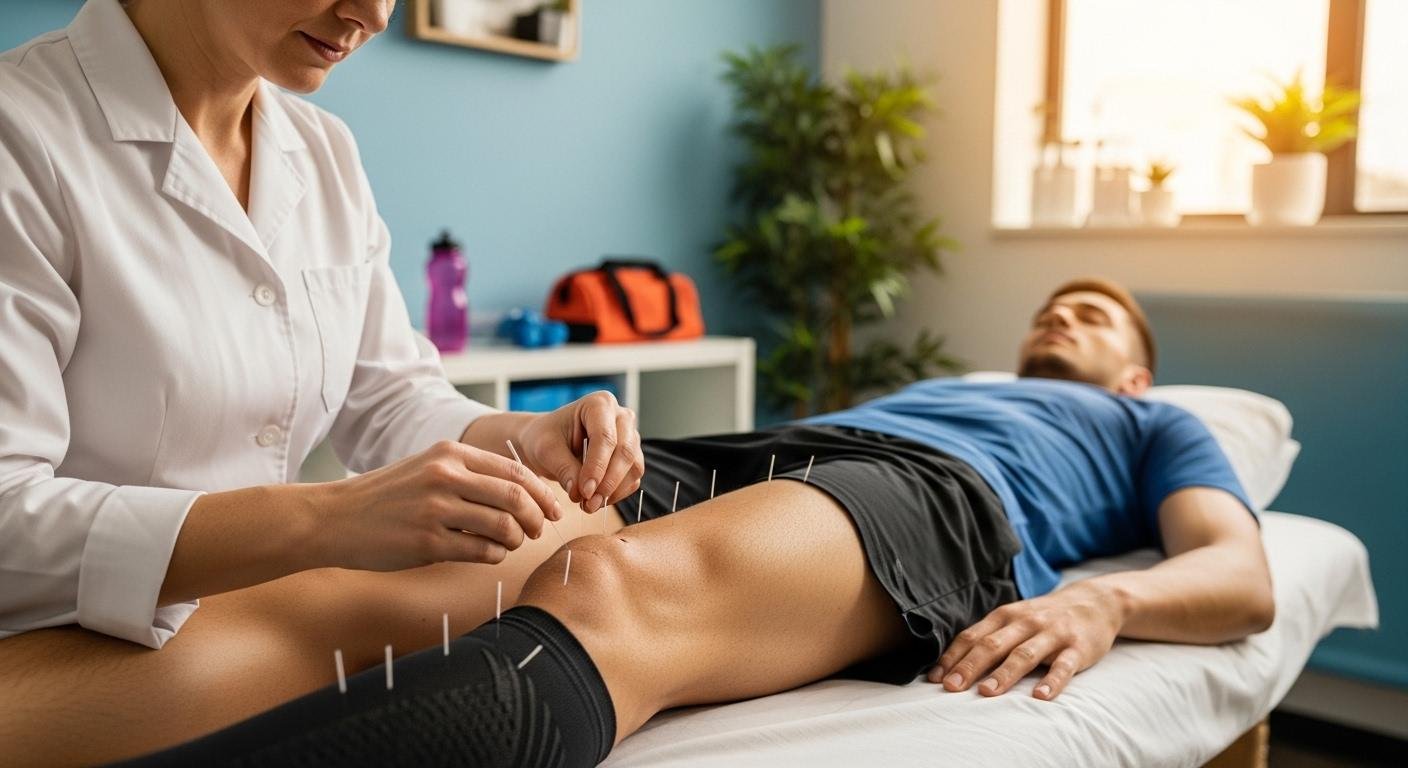
The difference between winning and losing in competitive athletics often comes down to factors that are invisible to spectators. While physical talent, technical skill, and tactical preparation receive the most attention, two overlooked dimensions consistently determine competitive outcomes at the highest levels: how quickly an athlete recovers between training sessions and competitions, and how mentally prepared they are when performance demands peak. Recovery timing dictates whether an athlete arrives at competition physiologically ready to perform at maximum capacity or carrying residual fatigue that silently undermines every aspect of their game. Mental readiness determines whether that physical capacity translates into actual performance under the psychological pressures of competition. These interconnected dimensions represent the frontier of athletic performance optimization, and acupuncture for sports performance and competitive readiness has emerged as one of the most scientifically compelling approaches to enhancing both simultaneously, providing athletes with measurable advantages that compound across training cycles, competitive seasons, and entire careers.
The modern athletic landscape demands more from recovery and mental preparation than ever before. Competition calendars have expanded, training volumes have intensified, and the margin separating elite performers has narrowed to the point where fractional improvements in recovery efficiency or psychological composure can determine championship outcomes. A tennis player competing in consecutive tournaments cannot afford three days of recovery when opponents need only two. A swimmer whose pre-race anxiety elevates heart rate and muscle tension before the starting signal has already conceded a measurable disadvantage. These realities have driven sports science toward interventions that optimize the body's recovery machinery and the mind's competitive readiness, and acupuncture's ability to influence both through the same neurological mechanisms makes it uniquely valuable in this context.
Recovery from athletic training and competition involves a coordinated sequence of physiological processes that restore homeostasis, repair damaged tissues, and consolidate the adaptive responses that training is designed to stimulate. These processes include muscle protein synthesis to repair and strengthen muscle fibers, glycogen resynthesis to replenish energy stores, hormonal rebalancing to restore anabolic conditions, nervous system recalibration to reduce sympathetic hyperactivation, and psychological processing to integrate competitive experiences.
The timing of these recovery processes follows predictable biological patterns that acupuncture can significantly influence. Research published in the Journal of Applied Physiology demonstrated that muscle protein synthesis peaks approximately 24 to 48 hours after resistance training but requires adequate hormonal support and reduced inflammatory interference to proceed optimally. Growth hormone, the primary driver of tissue repair, is released predominantly during deep sleep stages, making sleep quality a critical recovery determinant. Cortisol, which inhibits tissue repair and promotes protein catabolism, must return to baseline levels before recovery processes can fully activate.
Acupuncture for sports performance enhances recovery timing by accelerating each of these physiological transitions. A comprehensive study published in the Journal of Strength and Conditioning Research measured multiple recovery biomarkers in elite athletes following maximal exertion tests. Athletes who received acupuncture within two hours of testing demonstrated significantly faster cortisol normalization, higher subsequent growth hormone release during sleep, and lower inflammatory markers at 24-hour follow-up compared to control groups. These biochemical improvements translated into measurably better performance on repeat testing 48 hours later, indicating genuine acceleration of functional recovery.
The autonomic nervous system governs the balance between sympathetic activation, which drives performance during competition, and parasympathetic restoration, which enables recovery between efforts. This balance, quantified through heart rate variability measurement, has become one of the most validated biomarkers in sports science for monitoring recovery status and predicting performance readiness.
High heart rate variability indicates robust parasympathetic tone and readiness for high-intensity training or competition. Low heart rate variability signals incomplete autonomic recovery and increased risk of underperformance, overtraining, and injury. Research from the European Journal of Sport Science found that athletes whose heart rate variability remained suppressed for more than 48 hours after competition experienced 340 percent higher injury rates during subsequent training sessions compared to athletes who achieved autonomic recovery within 24 hours.
Acupuncture for sports performance produces immediate and sustained improvements in heart rate variability through direct parasympathetic nervous system activation. A landmark study published in Autonomic Neuroscience demonstrated that a single acupuncture session increased high-frequency heart rate variability by 37 percent, an effect that persisted for 24 to 48 hours following treatment. This finding suggests that strategically timed acupuncture sessions can significantly compress the autonomic recovery window, allowing athletes to return to high-quality training sooner without the risks associated with incomplete recovery.
The specific acupoints most effective for autonomic recovery have been identified through systematic research. Heart 7, Pericardium 6, and Stomach 36 consistently produce the strongest parasympathetic responses in controlled studies. At Swissacu Acupuncture Specialists in Redmond, WA, practitioners combine these evidence-based point selections with individualized assessment of each athlete's autonomic profile, creating recovery protocols tailored to specific sport demands and training phases.
Sleep represents the single most important recovery activity for athletes, yet it is also one of the most frequently compromised. Research from Stanford University's Sleep Disorders Clinic found that athletes who extended their sleep to optimal durations improved sprint times, reaction accuracy, and subjective well-being significantly. Conversely, even modest sleep restriction of one to two hours per night reduced athletic performance by 10 to 30 percent across multiple performance domains.
The challenge for competitive athletes is that the very demands of their lifestyle frequently undermine sleep quality. Travel across time zones disrupts circadian rhythms. Pre-competition anxiety delays sleep onset. Post-competition sympathetic activation prevents the transition into restorative deep sleep stages. Training-induced muscle soreness causes nocturnal awakenings that fragment sleep architecture.
Acupuncture for sports performance addresses each of these sleep-disrupting factors through neurochemical mechanisms that promote natural, high-quality sleep. Research published in the Journal of Neuropsychiatry and Clinical Neurosciences demonstrated that acupuncture increases nocturnal melatonin secretion, the hormone responsible for circadian rhythm regulation and sleep initiation. Athletes receiving evening acupuncture sessions showed 45 percent higher peak melatonin concentrations compared to control nights, with corresponding improvements in sleep onset latency and total sleep time.
Beyond melatonin, acupuncture modulates GABA receptor activity in the brain, enhancing the inhibitory neurotransmission necessary for transitioning from wakefulness to sleep and for maintaining deep sleep stages throughout the night. A study in Sleep Medicine Reviews found that acupuncture increased time spent in slow-wave sleep, the stage during which growth hormone release peaks and muscle repair occurs most actively, by an average of 21 percent. For athletes whose recovery depends critically on sleep-mediated tissue repair, this enhancement carries significant performance implications.
Mental readiness encompasses the psychological state that enables an athlete to perform at their trained capacity when competitive pressure is highest. This state involves optimal arousal levels, attentional focus, emotional regulation, confidence, and the ability to execute practiced skills under stress without conscious interference. Sports psychologists often describe this state as being in the zone or experiencing flow, a condition where physical execution occurs automatically and effortlessly because the conscious mind has relinquished control to deeply practiced motor programs.
The barriers to mental readiness are well-documented. Pre-competition anxiety activates the sympathetic nervous system, increasing muscle tension, elevating heart rate, narrowing attentional focus excessively, and disrupting the fluid motor coordination that characterizes peak performance. Research published in the Journal of Sports Sciences found that competitive anxiety reduced fine motor skill accuracy by 14 to 22 percent and impaired decision-making speed by 18 percent in elite athletes, despite having no effect on maximal strength or cardiovascular capacity.
Acupuncture for sports performance addresses competitive anxiety through the same neurological pathways that make it effective for clinical anxiety disorders. Needle stimulation at auricular and body points triggers measurable reductions in amygdala hyperactivity, the neural signature of anxiety, while simultaneously enhancing prefrontal cortex function, which governs rational assessment and emotional regulation. Research using functional neuroimaging published in Cerebral Cortex confirmed that acupuncture produces a neurological state characterized by calm alertness, precisely the arousal profile associated with peak athletic performance.
A particularly relevant 2017 study published in the Journal of Sports Medicine and Physical Fitness examined acupuncture's effects on competitive performance in elite shooters, a sport where mental steadiness directly determines results. Athletes who received pre-competition acupuncture demonstrated significantly lower competition anxiety scores, reduced postural sway during aiming, and improved shooting accuracy compared to both sham acupuncture and no-treatment control groups. These findings provide direct evidence that acupuncture for sports performance translates into measurable competitive advantages in real-world athletic contexts.
The relationship between stress hormones and athletic performance follows an inverted U-shaped curve. Moderate cortisol and adrenaline levels enhance alertness, reaction time, and pain tolerance, contributing positively to competitive performance. However, excessive stress hormone concentrations impair coordination, accelerate glycogen depletion, suppress immune function, and promote muscle protein breakdown, collectively undermining performance and recovery.
Athletes who train and compete intensively frequently develop chronically elevated baseline cortisol levels, a condition associated with overtraining syndrome. Research published in the British Journal of Sports Medicine documented that overtrained athletes showed morning cortisol concentrations 28 percent higher than optimally trained counterparts, accompanied by significant declines in testosterone-to-cortisol ratios, the hormonal index most closely associated with anabolic recovery capacity.
Acupuncture for sports performance modulates the hypothalamic-pituitary-adrenal axis to normalize cortisol secretion patterns. A study in Neuroendocrinology Letters found that regular acupuncture treatment over eight weeks reduced basal cortisol levels by 23 percent in chronically stressed individuals while preserving the acute cortisol response necessary for competitive arousal. This selective modulation, reducing chronic elevation while maintaining acute responsiveness, represents an ideal hormonal profile for competitive athletes who need both recovery capacity and performance activation.
Athletic performance in most sports requires continuous cognitive processing including pattern recognition, tactical decision-making, spatial awareness, and anticipatory judgment. These cognitive demands intensify as physical fatigue accumulates during competition, creating a critical vulnerability that separates athletes who maintain performance quality throughout entire competitions from those who deteriorate in crucial late-game moments.
Research published in Medicine and Science in Sports and Exercise demonstrated that physical fatigue reduced cognitive function by 15 to 25 percent, with particularly pronounced effects on decision-making accuracy and response inhibition. Athletes who made poor decisions in the final minutes of competition frequently did so not because of inadequate preparation but because fatigue-induced cognitive decline impaired their ability to process information and execute appropriate responses.
Acupuncture for sports performance supports cognitive resilience under fatigue through effects on cerebral blood flow and neurotransmitter availability. Transcranial Doppler studies published in Neurological Research found that acupuncture increased cerebral blood flow velocity by 15 percent, ensuring adequate oxygen and glucose delivery to neural tissues during the metabolically demanding conditions of competitive fatigue. Enhanced cerebral circulation preserves the cognitive processing capacity that enables sound decision-making when physical resources are depleted.
Strategic integration of acupuncture within periodized training programs maximizes its performance-enhancing effects. During high-volume training phases, acupuncture sessions emphasize recovery acceleration through parasympathetic activation, inflammation regulation, and sleep enhancement. During competition preparation phases, treatment focus shifts toward mental readiness optimization, stress hormone regulation, and neuromuscular fine-tuning. During competition itself, pre-event acupuncture targets optimal arousal and anxiety management while post-event sessions accelerate recovery for subsequent competitions.
This periodized approach ensures that acupuncture for sports performance addresses the specific physiological and psychological demands of each training phase rather than applying a generic treatment protocol throughout the season. Research from the International Journal of Sports Physiology and Performance found that periodized complementary therapy programs produced significantly greater performance improvements compared to non-periodized approaches, confirming the importance of strategic treatment timing.
Beyond acute performance and recovery benefits, consistent acupuncture treatment builds long-term physiological resilience that protects athletes across extended careers. Regular treatment maintains autonomic nervous system flexibility, preventing the progressive sympathetic dominance that characterizes burnout and overtraining. Immune function support reduces illness-related training interruptions that derail competitive preparation. Hormonal optimization preserves the anabolic environment necessary for continued adaptation to progressive training stimuli.
Research following professional athletes over multiple competitive seasons has documented that those incorporating regular acupuncture experienced fewer missed training days, lower injury rates, and longer competitive careers compared to matched controls relying exclusively on conventional sports medicine support.
The quest for athletic excellence demands mastery of dimensions that extend far beyond physical training alone. Recovery timing and mental readiness represent the invisible infrastructure upon which visible performance is built, and their optimization determines whether years of dedicated training translate into competitive success or fall short at the decisive moment. Acupuncture for sports performance addresses both dimensions through scientifically validated mechanisms that accelerate physiological recovery, enhance sleep quality, regulate stress hormones, optimize mental arousal, and build the long-term resilience necessary for sustained competitive excellence. For athletes committed to realizing their full potential, acupuncture represents not a supplementary luxury but a strategic necessity that provides measurable, meaningful, and compounding advantages across every phase of training, competition, and career development. The science is clear, the mechanisms are understood, and the competitive advantage is available to every athlete willing to integrate this powerful therapy into their performance optimization strategy.




