


How Modern Genetic Labs Are Transforming Healthcare in India
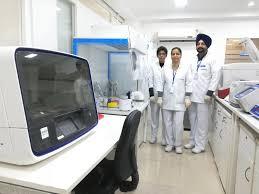
In recent years, India has rapidly advanced in the field of biotechnology, bringing high-quality genetic diagnostics closer to individuals and families across the country. As diseases become more complex and the need for personalized healthcare grows, people are increasingly looking for reliable ways to understand their health beyond traditional tests.
The Growing Importance of Genetics in Modern Healthcare
Genetics influence almost every aspect of human health — how we develop diseases, how we respond to medications, and how our bodies function at a molecular level. One of the biggest contributors to this shift has been the rise of genetic labs in India, which offer advanced testing, automation, and scientific accuracy at a scale the country has never seen before.
For doctors, genetic data adds a deeper layer of understanding to patient care. For families, it becomes a foundation for long-term health planning. For researchers, it opens doors to discovering new treatments and early markers of disease.
But to make all of this possible, the backbone of the ecosystem is strong, accurate, and technologically advanced genetic laboratories.
Why Genetic Labs in India Are Expanding So Rapidly
A decade ago, genetic testing was limited, expensive, and mostly accessible only in international labs. Today, India is witnessing a powerful transformation. Modern laboratories equipped with cutting-edge sequencing technologies and certified scientific teams are making genetic testing mainstream.
Here are the major reasons behind the rapid growth:
1. Advanced Technology Becoming Affordable
Sequencing machines, AI-powered analysis tools, and high-throughput systems have become more accessible, allowing labs to offer tests at cost-effective prices.
2. Growing Demand for Preventive Healthcare
People now prioritize prevention over treatment. Genetic insights help detect risks early, long before symptoms appear.
3. Rise of Reproductive and Child Health Screening
More couples are opting for carrier screening, prenatal testing, and newborn DNA tests. This shift has boosted the need for certified genetic laboratories across the country.
4. Personalized Healthcare Becoming Mainstream
Medical professionals now rely on personalized data — including DNA results — to tailor treatments for patients.
Types of Tests Offered by Genetic Laboratories
Modern genetic labs provide a wide range of services that cater to different healthcare needs:
-
Ancestry and trait testing
-
Carrier screening for couples
-
Newborn and pediatric genetic tests
-
Whole exome sequencing (WES) and whole genome sequencing (WGS)
-
Pharmacogenomics (drug response tests)
-
Cancer risk and hereditary disease testing
-
Nutrigenomics for diet and fitness planning
Each of these tests plays a major role in early disease detection, lifestyle planning, and medical accuracy.
The Role of Genetic Testing in Disease Prevention
One of the strongest applications of modern DNA testing is early identification of health risks. When individuals undergo genetic screening, it becomes easier to understand whether they are predisposed to various conditions such as:
-
Heart diseases
-
Diabetes
-
Cancers
-
Neurological disorders
-
Autoimmune conditions
-
Hormonal imbalances
-
Rare inherited syndromes
Most of these risks may not show symptoms for years, but genetic analysis helps detect them early and take preventive steps.
How Genetic Labs Maintain Accuracy and Reliability
For genetic results to be trusted, laboratories must follow strict standards. Leading genetic labs in India follow:
1. International Certifications
Many labs comply with global standards such as NABL, CAP, and CLIA.
2. Highly Trained Geneticists and Bioinformaticians
Experts interpret data to ensure accuracy and meaningful insights.
3. AI-Based Data Analysis
Artificial intelligence helps reduce human error and increases the precision of reports.
4. Secure Data Handling
Genetic information is sensitive; advanced labs use encryption and strict privacy protocols.
Who Should Consider Genetic Testing?
Genetic testing is recommended for:
-
Couples planning a baby
-
Families with a history of inherited diseases
-
Individuals with unexplained symptoms
-
People wanting personalized fitness and diet plans
-
Cancer patients seeking targeted treatment options
-
Newborns and infants for early-life risk detection
Even healthy individuals benefit, as preventive genetics is increasingly becoming part of long-term wellness planning.
the Importance of Genetic Treatment
As genetic insights become more mainstream, many individuals now explore advanced solutions such as genetic treatment, which focuses on addressing health concerns at the molecular level. This includes therapies that target specific gene mutations, treatment plans customized according to DNA reports, and preventive strategies based on genetic risk.
While India is still evolving in this area, early forms of genetic-based treatment include:
-
Personalized medication based on DNA response
-
Tailored nutrition plans
-
Gene-specific cancer treatment
-
Lifestyle programs designed around genetic markers
Although complex genetic therapies, such as gene editing, are still in early stages globally, the foundational benefits of DNA-based personalization are already available across India.
FAQs
1. Are genetic labs in India reliable?
Yes. Many laboratories follow globally recognized standards and use advanced sequencing technology that ensures high accuracy.
2. What is genetic treatment?
Genetic treatment refers to therapies or medical plans customized according to a person’s DNA profile. It may include personalized medications, preventive strategies, or targeted disease management.
3. Do these labs test for hereditary diseases?
Absolutely. Genetic labs evaluate inherited risk factors linked to cancer, heart conditions, metabolic disorders, and rare syndromes.
4. Is genetic testing expensive?
Costs have become much more affordable in recent years due to improved technology and local test availability.
5. Can a child or newborn undergo genetic testing?
Yes. Newborn DNA screening is one of the fastest-growing categories and helps detect early-life risks.
6. How long do the results take?
Depending on the test, results may take anywhere between a few days to two weeks.
7. Is the testing process painful?
Not at all. Most tests use a simple saliva sample or cheek swab.
Conclusion
With the rise of advanced genetic labs in India, the country is entering a new era of personalized and preventive healthcare. Genetic insights are no longer limited to specialists they are now accessible to everyday individuals who want clarity about their long-term health. As genetic research continues to grow and more people explore DNA-based solutions, options like genetic treatment will also evolve, helping individuals make smarter, more informed health decisions for a better future.

 English
 Arabic
 French
 Spanish
 Portuguese
 Deutsch
 Turkish
 Dutch
Dutch
 Italiano
 Russian
 Portuguese (Brazil)
 Greek
Greek