


Can AI and Automation Boost Revenue in Retail Businesses?
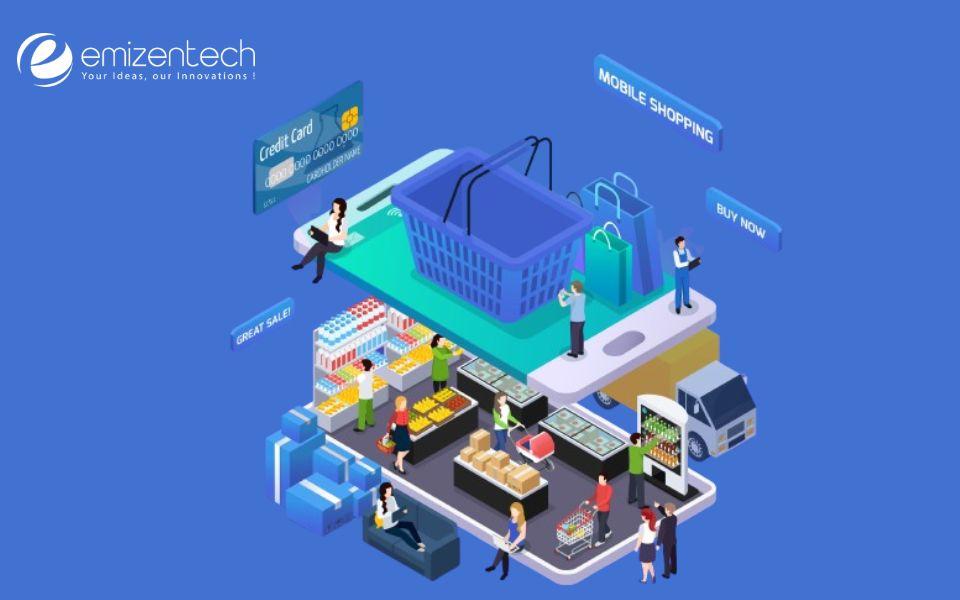
The retail industry is undergoing a major transformation driven by rapid advancements in technology. As customer expectations shift toward speed, personalization, and convenience, retailers are increasingly turning to AI (Artificial Intelligence) and automation to strengthen their operations and boost profitability. By 2026, these technologies are no longer optional they are fundamental components of modern retail strategy.
AI and automation streamline complex processes, reduce operational costs, improve customer experience, and empower retailers with data-driven insights. They eliminate manual errors, personalize product recommendations, optimize inventory, and enhance decision-making. With expert retail software development services, businesses can integrate customized AI-driven solutions tailored to their retail goals.
This blog explores how AI and automation are helping retailers increase revenue and stay ahead in a highly competitive market.
How AI Enhances Customer Engagement and Personalization
Customer engagement lies at the heart of every retail business. AI significantly improves the way retailers connect with customers by analyzing behavior, preferences, and purchase history.
Smart Personalization Features Powered by AI
-
Product recommendations tailored to individual preferences
-
Personalized homepages and shopping journeys
-
Real-time promotions based on browsing behavior
-
Predictive suggestions to increase basket value
This level of personalization encourages customers to spend more, helping retailers boost revenue and build loyalty.
Automation That Streamlines In-Store and Online Operations
Automation removes manual work and ensures efficiency in both physical stores and ecommerce platforms.
Key Areas Automation Improves
-
Automatic price updates
-
Quick checkout through self-service kiosks
-
Automated invoice and billing generation
-
Stock tracking and reorder alerts
-
Workflow automation for staff tasks
By minimizing human errors and speeding up store operations, automation enhances customer satisfaction while improving overall productivity.
AI-Powered Inventory Planning and Stock Optimization
Inventory management is one of the biggest challenges in retail. Overstocking leads to increased costs, while stockouts result in lost sales. AI helps retailers maintain the perfect balance.
How AI Improves Inventory Efficiency
-
Predicts demand based on seasonal trends and customer behavior
-
Identifies slow-moving and fast-selling products
-
Reduces waste with better forecasting
-
Automates restocking processe
Retailers using smart inventory tools see better stock accuracy, fewer lost sales, and reduced storage expenses all contributing to higher revenue.
Enhanced Customer Support Through AI Chatbots and Virtual Assistants
Customer service plays a huge role in influencing purchase decisions. AI-powered chatbots provide instant support across websites, apps, and in-store kiosks.
Benefits of AI-Based Customer Support
-
24/7 availability
-
Instant responses to common questions
-
Personalized assistance based on customer history
-
Support for order tracking and product guidance
Faster support increases conversion rates and improves customer experience, leading to repeat purchases and long-term loyalty.
Automation in Checkout and Payments for Faster Transactions
Checkout speed directly affects revenue. Long queues and slow transactions result in abandoned carts and frustrated customers. Automation ensures a quick and smooth payment process.
Automated Checkout Capabilities
-
Contactless and mobile payments
-
One-tap online checkout
-
Automated discount and promo code application
-
Faster transaction processing with POS integrations
Quicker checkouts increase customer satisfaction and encourage more frequent purchases.
AI Analytics Helps Retailers Make Smarter Decisions
AI-driven analytics provide retailers with valuable insights for making strategic decisions. Instead of relying on guesswork, businesses can use real-time data for better planning.
Insights AI Provides
-
Customer buying patterns
-
Store performance metrics
-
Forecasts for future demand
-
Behavior-based marketing insights
These insights allow retailers to optimize pricing, adjust stock levels, design better promotions, and improve product assortment all of which impact revenue growth.
Automation Reduces Operational Costs and Improves Efficiency
Cost-saving is one of the biggest advantages of automation. By minimizing manual work, retailers can allocate resources more effectively.
Cost Savings Through Automation
-
Lower labor costs due to automated tasks
-
Fewer billing and accounting errors
-
Reduced loss from misplaced or wasted inventory
-
Efficient use of time and manpower
When operational costs decrease, profit margins rise making automation a smart investment.
AI Enhances Marketing and Customer Targeting
Retailers today rely heavily on marketing to attract and retain customers. AI ensures campaigns are more accurate and profitable.
AI-Driven Marketing Capabilities
-
Predictive modeling for customer behavior
-
Automated campaign segmentation
-
Personalized email and SMS promotions
-
Targeted ads based on interests and browsing trends
Relevant marketing increases conversions and reduces wasted marketing budget, boosting overall revenue.
Conclusion
AI and automation are reshaping the retail industry by improving operational efficiency, enhancing customer engagement, and helping retailers make smarter decisions. These technologies lead to faster service, personalized journeys, and strategic planning all contributing to higher revenue. With the support of professional retail software development services, retailers can adopt tailored AI and automation solutions designed for long-term success. Trusted partners like Emizentech help businesses build intelligent retail systems that improve profitability, customer satisfaction, and competitive advantage.
FAQs
1. How does AI increase revenue in retail?
AI improves personalization, enhances marketing accuracy, and provides insights that lead to better decision-making and increased sales.
2. What retail processes can be automated?
Checkout, billing, inventory management, pricing updates, customer notifications, and staff scheduling can all be automated.
3. Can AI help reduce retail operational costs?
Yes, AI minimizes errors, improves stock accuracy, automates manual tasks, and optimizes staffing reducing overall expenses.
4. How do AI chatbots improve customer service?
They provide instant, personalized responses, helping customers make quicker decisions and improving satisfaction.
5. Why do retailers need retail software development services?
They help businesses implement custom AI and automation solutions tailored to their operations, ensuring better performance and growth.

 English
 French
 Spanish
 Portuguese
 Deutsch
 Turkish
 Dutch
Dutch
 Italiano
 Russian
 Romaian
 Portuguese (Brazil)
 Greek
Greek