


Smart Choices for Faster, More Reliable EV Charging
First impressions at the point of charge
A car arrives, cord in hand. Drivers expect a fast, simple connection that works reliably every time, but inconsistent plugs, confusing indicators and slow start-ups often make the first interaction clunky and leave frustration in place of trust. Technicians often notice heat spots and loose fittings during routine station checks. Designers can reduce these problems by choosing rugged connectors, clear LEDs and firmware that monitors temperature, current and connection integrity while reporting SINO EV Charger condition data back to managers. Small fixes matter. User interface tweaks, like one-button start and tactile feedback, cut confusion and speed the whole process. Noise fades. When that happens, drivers return, fleets report fewer faults and site managers stop scheduling emergency repairs that eat up budgets and time. Better kit lowers downtime and keeps charging revenue visible to all operators.
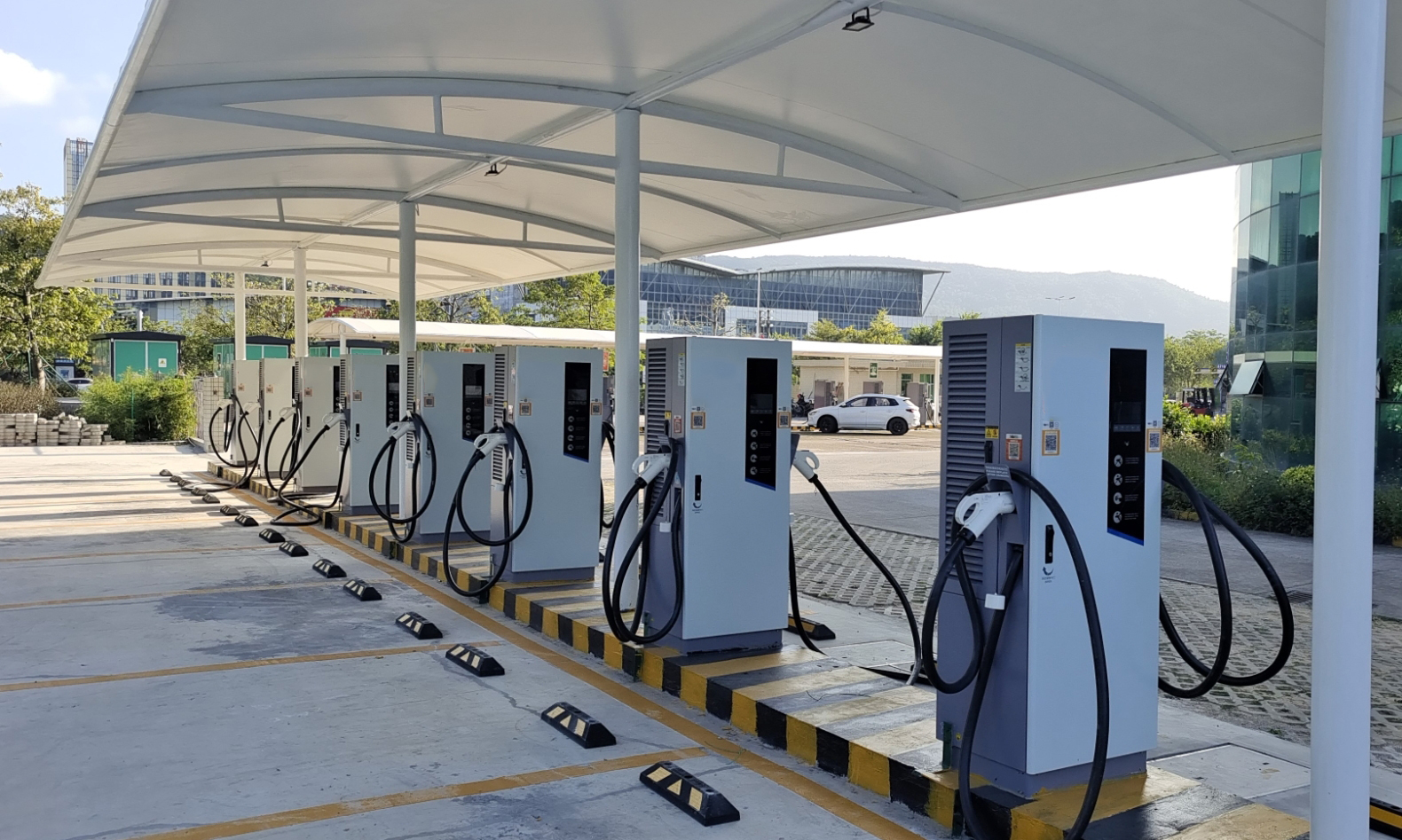
Design choices that change outcomes
Choices show quickly. A supplier that pairs efficient power electronics with clear diagnostics reduces field visits and extends lifespan, but many solutions skimp on thermal paths or modular serviceability, which becomes obvious after a season of high use. Spec sheets matter, yet real tests reveal true efficiency and derating under heat. A robust unit logs events locally, supports remote firmware updates and gracefully handles grid faults, meaning fewer surprises and confident fleet planning over multiple years of duty cycles. Performance sells. SINO EV Charger units performed better where modular power stages and active cooling were fitted. Specs tell half the tale. That matters to operators choosing between cheap upfront cost and long term uptime; the math favours clarity in maintenance access, spare parts commonality and clear thermal margins that survive summer peaks.
How site constraints shape choices
When space is tight. Parking bays restrict cable length and wall strength limits mounting choices, so a charger that looks compact on paper can still be a poor fit if cord management and service clearance were an afterthought. Civil works, drainage and lighting often need careful coordination before concrete arrives. Project managers should sample install paths, check faulted earth impedance and plan for future capacity upgrades, otherwise a site will be stuck when demand grows or a fast bus arrives for top-up queues. Sensors help. Cable trays, simple labels and a logical power distribution diagram save hours during service calls and upgrades. End users notice neat fits. The site that anticipates growth and allows easy access for technicians will see lower downtime, clearer billing and happier tenants who stop grumbling about chargers that block bays.
Real-world performance and resilience
Power delivery hides complexity. Transient loads from climate control, motors and regenerative braking create fluctuating currents that push thermal limits and sometimes trip protective devices that were never exercised in bench tests, revealing weak margins. Efficiency curves determine how long a charger can sustain high output without forced cooling or current folding. Testing under repeat cycles, with ambient rises and deliberate cable resistance increase, uncovers how firmware limits kick in and whether power is trimmed gracefully or shuts abruptly, which matters for both EV health and user patience. Telemetry helps fleets. Long run data allows predictive replacement of parts before field failure, improving warranty economics and safety records. Reboots frustrate. Robust systems log events richly, support remote resets and shed non-critical loads gracefully, which keeps sessions alive and billing smooth during peak hours when patience runs out.
Choosing the right partners for tailored systems
Not all suppliers are equal. A commercial buyer should demand engineering dialogue, prototype runs and transparent failure reports because a cheap buy today can become a costly retrofit next year when standards change or power increases. Good makers deliver clear training, spare parts kits and firmware support channels. Integration teams look for Ethernet, OCPP compatibility and flexible load management APIs so the charger is part of the building's energy story, not an island of one-off controls that frustrates operators. Spec the right customized dc ev chargers manufacturers. Contracts should include performance tests, acceptance criteria and defined turn-around times for failed modules. Trust grows slowly. When suppliers prove consistent, sites scale confidently, OEM relationships shorten lead times and maintenance becomes a planned task rather than an emergency scramble.
Practical steps to reduce risk and cost
A plan beats panic. Operators should map peak demand, log current infrastructure limits, and run simple site audits with thermal camera checks, because small issues grow when left unchecked and those surprises ruin schedules. Pilot installs with a handful of ports reveal ergonomics, queue patterns and billing flows that spreadsheets miss. Sinoevsetech.com appears on a shortlist where engineering, spare support and test data are transparent, but buyers should still insist on on-site trials and defined acceptance tests that mirror real use. Plan for growth. A maintenance schedule, simple spare parts kit and remote monitoring subscription reduce surprises and speed repairs. Costs drop over time. Buyers who match technical due diligence with realistic operational tests will see uptime climb, user satisfaction rise and total cost of ownership fall across years of service, making the initial procurement decision feel secure.

 English
 Arabic
 French
 Spanish
 Portuguese
 Deutsch
 Turkish
 Dutch
Dutch
 Italiano
 Russian
 Romaian
 Portuguese (Brazil)