English
 Arabic
 French
 Spanish
 Portuguese
 Deutsch
 Turkish
 Dutch
Dutch
 Italiano
 Russian
 Romaian
 Portuguese (Brazil)
 Greek
Greek

Tiranga Game – Modern Mobile Gaming Platform for Quick Entertainment
Sports |
2026-02-21 08:16:37
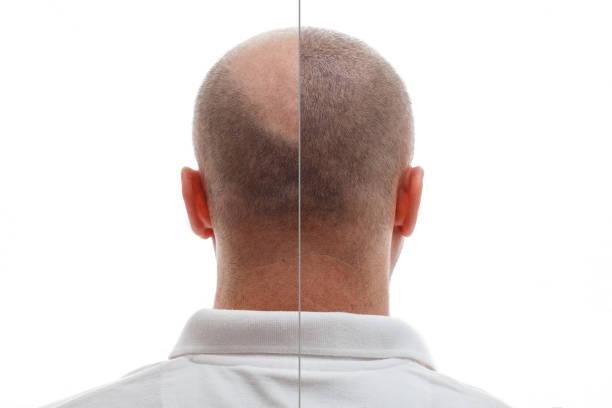
Imagine waking up to a fuller, natural-looking hairline that boosts your confidence without the daily struggle of thinning strands. Hair loss affects millions worldwide, turning heads prematurely gray with worry. This blog dives into the latest Cost of Hair Transplant in Riyadh(تكلفة زراعة الشعر في الرياض) innovations, unpacking balding factors and revealing effective hairline repair strategies. Whether you're battling genetic baldness or stress-induced shedding, understanding these advancements can transform your approach to hair restoration. Stay engaged as we explore science-backed solutions that make regrowth feel achievable and exciting.
Recent breakthroughs in hair transplant technology have revolutionized how we combat hair loss, offering precise, minimally invasive options. These methods focus on natural follicle relocation, promising seamless results that blend with your existing hair. From robotic precision to enhanced grafting techniques, innovations ensure quicker recovery and higher success rates. If you're curious about reclaiming your youthful mane, read on for actionable insights tailored to your journey.
Baldness doesn't strike overnight—it's a culmination of genetic, environmental, and lifestyle culprits. Androgenic alopecia, the most common type, stems from sensitivity to dihydrotestosterone (DHT), a hormone that shrinks hair follicles over time. Men often notice receding hairlines, while women experience diffuse thinning, making early detection key to effective intervention.
Hormonal shifts play a starring role too. Post-pregnancy or menopause changes in women, or thyroid imbalances in both genders, accelerate shedding. Stress amplifies this through telogen effluvium, where hair follicles enter a resting phase prematurely, leading to noticeable fallout within months.
Poor diet lacking biotin, iron, zinc, and protein weakens strands from within. Crash diets or vegan imbalances without supplements can trigger sudden thinning, mimicking genetic patterns. Addressing these via balanced nutrition often halts progression, setting the stage for restorative treatments.
Pollution, harsh styling products, and excessive heat tools damage the scalp's ecosystem. Smoking constricts blood vessels, starving follicles of oxygen, while poor sleep disrupts growth cycles. Identifying these modifiable factors empowers you to slow balding before it escalates.
Enter the era of cutting-edge hair transplant innovations that turn back the clock on baldness. Follicular Unit Extraction (FUE) leads the pack, harvesting individual follicles under local anesthesia for minimal scarring and natural density. Unlike older strip methods, FUE allows donors from various body areas, ideal for limited scalp supply.
Robotic-assisted systems like ARTAS employ AI-driven precision, mapping thousands of grafts per session with sub-millimeter accuracy. This tech reduces human error, speeds healing, and customizes angles for undetectable results—perfect for modern, active lifestyles.
Platelet-Rich Plasma (PRP) therapy supercharges transplants by injecting growth factors from your blood, stimulating dormant follicles. Paired with stem cell activation, it boosts graft survival by up to 30%, fostering thicker, faster regrowth. These adjuncts make procedures not just restorative but regenerative.
DHI skips incisions, implanting follicles directly with a specialized pen for unparalleled control over depth and direction. This innovation minimizes trauma, enabling same-day return to work and showering, appealing to busy professionals seeking discretion.
Crafting the perfect hairline demands artistry meets science. Designers assess facial proportions, age, and ethnicity to create a soft, irregular frontline that evolves naturally. Low-density placement at temples avoids the unnatural "pluggy" look of yesteryear.
Graft survival hinges on meticulous handling—chilling solutions preserve viability during transfer. Post-op, low-level laser therapy (LLLT) caps stimulate blood flow, accelerating integration within weeks.
For hybrid repairs, scalp micropigmentation dots mimic shaven hair, blending transplants seamlessly. This non-surgical add-on enhances visual fullness, ideal for buzz cuts or advanced balding stages.
Sustain results with FDA-approved topicals like minoxidil and finasteride, which block DHT and prolong growth phases. Customized serums with peptides fortify new transplants, ensuring your investment thrives for decades.
Curious about the day-of? It starts with a scalp analysis using digital trichoscopy to map donor zones and design your blueprint. Local numbing keeps you comfortable, with sessions lasting 4-8 hours depending on grafts needed.
Extraction feels like gentle tugging, followed by precise implantation. Most resume light activities in days, with full results unfolding over 6-12 months as transplanted hairs cycle through shedding and regrowth phases.
Day 1 brings mild redness; by week 2, new growth hints emerge. Avoid sun, sweat, and scratching to safeguard grafts. Hydrating shampoos and silk pillowcases ease the process, turning recovery into a confident countdown.
These advancements aren't just technical—they're life-changers. Picture framing your face with a revitalized hairline, reigniting social boldness and professional edge. Studies show 90% satisfaction rates, with innovations minimizing downtime for seamless integration into daily life.
Ready to explore personalized options? Book an appointment consultation clinic like 'Enfield Royal Riyadh(إنفيلد رويال الرياض)' for expert guidance tailored to your balding pattern.
1. What causes most cases of balding in young adults?
Genetics and DHT sensitivity dominate, but stress, diet gaps, and hormonal shifts accelerate it—early hair transplant can intervene effectively.
2. How do innovations improve hairline repair outcomes?
Techniques like FUE, DHI, and robotics ensure natural angles, higher graft survival, and scar-free results for undetectable restoration.
3. Is hair transplant suitable for women with thinning hair?
Absolutely—tailored approaches address diffuse patterns, with PRP boosting female regrowth without hormonal side effects.
4. When will I see results after a hair transplant procedure?
Initial shedding occurs at 2-4 weeks, but robust growth starts at 3-6 months, peaking by year one with proper care.
5. Can lifestyle changes prevent future hair loss post-transplant?
Yes—balanced nutrition, stress management, and DHT blockers like finasteride maintain transplants and native hair long-term.