


The Importance of Dangerous Goods Handling for Modern Businesses
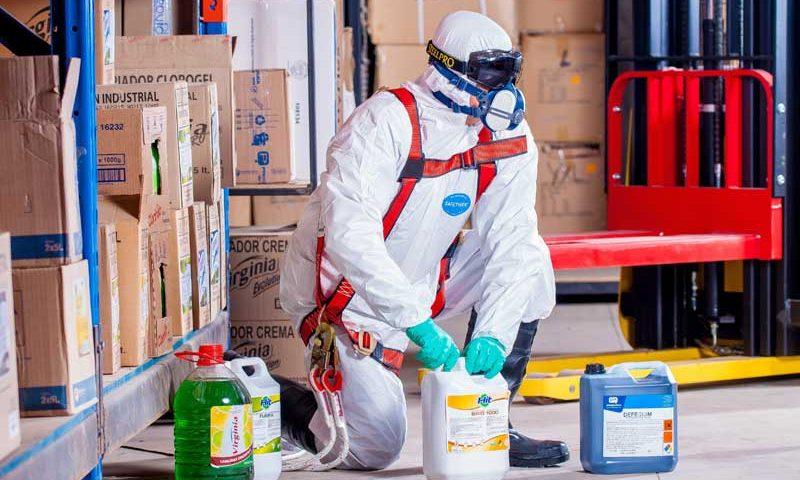
In dealing with hazardous materials, companies should adhere to stringent rules so that safety is guaranteed, the environment is not harmed and that the business remains within the limits of the law. Their improper management may have severe accidents, fines to pay, and brand reputation may suffer long-term. It is there that proper dangerous goods handling is needed.
Dangerous goods include flammable liquids, corrosive chemicals and are involved in the daily activity of many industries like manufacturing, transport, construction and pharmaceutical industries. Knowledge of how to handle these materials in the most appropriate way is not only a compliance issue, but a pledge to safety and productivity.
What is Dangerous Goods Handling?
The dangerous goods handling is a methodologically safe process of handling dangerous substances by storing, transporting, using and disposing of these materials. It entails adherence to international and local regulations that are aimed at reducing the risks to people, property, and environment.
This process covers:
-
Locating hazardous material.
-
Labeling and packaging, standards.
-
Safe-handling staff training.
-
Planning emergencies.
It is done properly, it will guarantee a smooth running without the safety being compromised.
Types of Dangerous Goods
There are 9 categories of dangerous goods in terms of their dangers. Common examples include:
-
Class 1 – Explosives (fireworks, ammunition)
-
Class 2 – Gases (propane, oxygen cylinders)
-
Class 3 – Flammable Liquids (petrol, solvents, paints)
-
Class 4 – Flammable Solids (matches, metal powders)
-
Class 5 – Oxidising Substances (bleaches, fertilizers)
-
Class 6 – Toxic & Infectious Substances (pesticides, medical waste)
-
Class 7 – Radioactive Materials (uranium, isotopes)
-
Class 8 – Corrosives (acids, cleaning chemicals)
-
Class 9 – Miscellaneous Hazardous Materials (dry ice, lithium batteries)
Every type has a particular management, packaging, and transport procedure.
Key Regulations and Compliance
The fundamental part of dangerous goods management is compliance. Businesses must follow:
-
UN Recommendations: Global framework for classification, packaging, and labeling.
-
ADR & IMDG Codes: Cover road and sea transport of hazardous goods.
-
IATA Regulations: Govern air transport safety.
-
Local Guidelines: The Work Health and Safety (WHS) Act and Dangerous Goods Safety Acts are required to be complied with in Australia.
It is essential to remain in compliance with proper documentation, including Safety Data Sheets (SDS), and proper labeling of hazardous conditions.
Best Practices in Dangerous Goods Handling
Businesses ought to employ the following practices in order to handle hazardous goods effectively:
-
Correct Packaging: Use authorised containers according to the risk level of the material.
-
Standardized Hazard Labeling: Use standard hazard signs and labels.
-
Employee Training: Prepare the staff with knowledge on how to deal with, risks and emergency actions.
-
Personal Protective Equipment (PPE): Masks, Gloves, goggles and suits when necessary.
-
Emergency Preparedness: Spill kits, fire extinguishers and evacuation plans.
Benefits of Proper Handling
By placing an emphasis on the safety of dangerous goods, businesses can reach the following:
-
Increased Safety: Lower chances of accidents, fire or chemical exposure.
-
Legal Protection: Avoid costly fines and penalties from non-compliance.
-
Operational Efficiency: Smooth logistics and fewer interruptions.
-
Environmental Responsibility: Prevent harmful leaks and pollution.
Common Challenges and Solutions
The biggest challenges to many businesses are:
-
Awareness of the Unawareness - Employees that do not know how to handle it correctly.
-
Complex Regulations - International and local laws are hard to interpret.
-
Storage Limitations – Inadequate facilities for hazardous goods.
Solutions include:
-
Carrying out regular employee education.
-
Engaging compliance experts.
-
Entering into online compliance and monitoring solutions.
-
Installing the appropriate storage facilities.
The Role of Professional Service Providers
A lot of companies resort to experts to handle the dangerous goods safely and in a compliant manner. These providers assist with:
-
Compliance audits.
-
Transportation logistics.
-
Employee training and certification.
-
Emergency response planning.
Using the services of specialists will assist companies in concentrating on the main business and making sure that the hazardous materials are transported in a responsible manner.
Conclusion
The performance of dangerous goods is not just a regulatory need but a responsibility to the safety of people, property and planet. Through best practices and keeping within the rules and regulations and consulting professional assistance where required, companies can safely and effectively handle hazardous materials.

 Arabic
 French
 Spanish
 Portuguese
 Deutsch
 Turkish
 Dutch
Dutch
 Italiano
 Russian
 Romaian
 Portuguese (Brazil)
 Greek
Greek