


The Craftsmanship Behind World Championship Belts: How Premium Title Belts Are Made
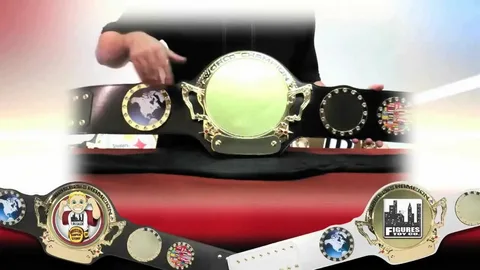
People admire World Championship Belts not just because they mark a victory, but because they represent pride, sacrifice, and identity. When athletes, companies, or collectors hold one, they hold a story. In this blog, we take you behind the scenes to learn how premium title belts are made, why they cost more, and what separates high-quality designs from cheap imitations. This guide brings you inside the workshop so you understand craftsmanship, durability, and the value behind true custom championship belts.
What Defines a Premium Championship Belt? Understanding Quality Beyond Appearance
A premium title belt is more than shiny metal and leather. It comes from good design, strong materials, and skilled production.
The Difference Between Replica and Authentic Belts
Replica belts look similar but feel lighter and use thinner plates. Authentic belts include real leather title belts, thicker metal plates, and reinforced stitching. They bend naturally, last longer, and carry proper weight. When you compare the two, you notice how durable authentic belts are and why they cost more.
Why Custom Championship Belts Hold More Value
Custom belts are made for real champions, brands, and events. These pieces reflect personality, artwork, and achievement. A personalized design gives meaning, and because every part is handcrafted, the value goes beyond how it looks. World Championship Belts manufactures custom versions that become symbols for teams, athletes, and companies worldwide.
The Belt Design Phase: Where Creativity Meets Engineering
Before production, belt makers start with an idea. This stage combines imagination, branding, and technical planning.
Concept Creation and Graphic Artwork Approval
First, makers discuss needs such as event type, plate layout, logo placement, and theme. Artwork is drawn digitally, refined, and approved before cutting any metal. This is when buyers see their thoughts come to life.
Custom Belt Design Services and Layout Planning
Once artwork is approved, layouts convert into plate templates. Makers choose size, material thickness, and engraving style. Everything from symmetry to symbolism is planned so every belt communicates identity.
Materials That Make Premium Belts: Real Leather, Metal Plates, and Finishes
Strong belts start with strong materials. The choice between zinc vs. brass plates, leather type, and finish determines quality and longevity.
Why Real Leather Title Belts Matter
Real leather moves naturally, maintains plate strength, and ages well. Cheaper belts use vinyl, which cracks or peels. Leather stitching and rivets reinforce the structure and give belts a professional feel.
Choosing the Right Metal: Zinc vs Brass Plates and Gold Plating
Metal matters too. Zinc allows deep 3D engraving, while brass gives a traditional feel. Both can be coated in chrome or gold plating. The finish is polished to a shine, delivering luxury appeal.
From Sketch to Steel: The Belt Production Process Explained
Now the real work begins. Making premium title belts involves tools, heat, handwork, and time.
Plate Creation, Engraving, and Mold Manufacturing
Once templates are ready, plates are cut and engraved using CNC machines or manual tools. Metal plate engraving brings depth to logos, text, and artwork. Custom tooling and molds help produce raised features seen in championship belts.
Industrial Polishing and Metal Plating
After engraving, plates are cleaned, smoothed, and plated. High-grade finishes make gold-plated belts glow under light. Each piece is checked to ensure no flaws remain.
Leather Craftsmanship: Cutting, Shaping, Stitching and Rivets
Leatherwork is another skilled phase that involves shaping and tightening.
Hand Cutting vs Machine Cutting Techniques
Some belt makers cut leather by hand, which gives them control over thickness and texture. Modern workshops also use precision cutters for consistency. Either way, accuracy matters.
Stitching Craftsmanship and Belt Assembly Standards
Stitches carry stress. Poor stitching ruins belts, while tight sewing and reinforced rivets keep plates secure. World Championship Belts stresses workmanship so belts last under display or active use.
The Final Build Stage: Assembling and Quality Testing
Now it all comes together.
Fitting Plates to Leather Backing
Plates are aligned and fixed to the belt using rivets. Professionals ensure spacing is right and edges sit smoothly.
Finish Quality Control and Durability Standards
Final polishing removes scratches and checks flexibility. Belts are inspected to ensure no sharp edges, weak points, or loose fittings remain.
Why Premium Title Belts Cost More: Hidden Work You Don’t See
Many buyers don’t realize how much handwork goes into custom championship belts.
Skilled Labor and Handcrafted Time Investment
Craftsmen build prototypes, tweak engraving depth, and refine shapes. This labor gives premium belts their value.
Material Costs and Plating Complexity
Thicker plates, real leather, gold plating, and engraving materials increase cost—but they also increase lifespan and authenticity.
Who Uses Custom Championship Belts? Sports, Corporates, Collectors and Events
Premium belts are not only for fighters.
Wrestling Belts, Boxing Belts, and MMA Championship Belts
Tournament organizers award belts in matches. Heavyweight championship belts symbolize victory and tradition.
Corporate Award Belts and Promotional Uses
Businesses now use belts for staff recognition, branding, and contests. Fans collect belts as personal trophies.
How to Choose the Best Belt Maker: What Buyers Should Look For
Here’s where buyers need guidance.
Craftsmanship Evaluation Checklist
Look for strong plate thickness, real leather, engraving depth, stitching quality, and clean finishing. These show authentic workmanship.
Red Flags Buyers Often Overlook
Avoid synthetic leather, printed plates, sticker graphics, and loose riveting. These reduce lifelong value.
Behind-the-Scenes Trust: Why Process Transparency Matters for Buyers
Makers who share production processes build confidence. World Championship Belts often shares build stages so buyers see real effort and skill.
Belt Care, Maintenance and Restoration Tips for Long-Term Value
Lasting belts need care.
Storage, Cleaning and Polishing Best Practices
Keep belts away from moisture, polish plating gently, and maintain leather hydration.
Belt Restoration and Refinishing Services
Belts can be serviced—plating restored, rivets replaced, and stitching repaired—so they remain display-worthy.
Local and Global Belt Manufacturing: From Pakistan Workshops to Worldwide Exports
Pakistan is known for skilled belt makers exporting premium designs. These workshops follow export standards and supply belts globally.
Frequently Asked Questions
How are championship belts made?
They are designed digitally, cut in metal, engraved, plated, stitched onto leather, and assembled.
Why do custom belts cost more than replicas?
More labor, real materials, thicker plates, and engraving depth increase cost.
How long does it take to manufacture a premium title belt?
Anywhere from weeks to months, depending on materials and revisions.
Which is better, zinc or brass plates?
Zinc allows deep engraving; brass gives classic weight and feel.
How can I verify that a belt is real leather?
Look for grain texture, stitching quality, and strong backing.
Do belts tarnish or fade over time?
They can, but proper polishing and storage keep them looking new.
Conclusion
The craftsmanship behind World Championship Belts shows why premium title belts are more than trophies. They are handmade symbols of victory, with skilled engraving, plating, and leatherwork. By choosing professional custom belt makers, you get long-lasting quality and identity in every piece. If you want to order, explore how customization works or contact trusted makers for designs.

 Arabic
 French
 Spanish
 Portuguese
 Deutsch
 Turkish
 Dutch
Dutch
 Italiano
 Russian
 Romaian
 Portuguese (Brazil)
 Greek
Greek