


How Modern Engineering Is Powering the Next Generation of Industrial Growth
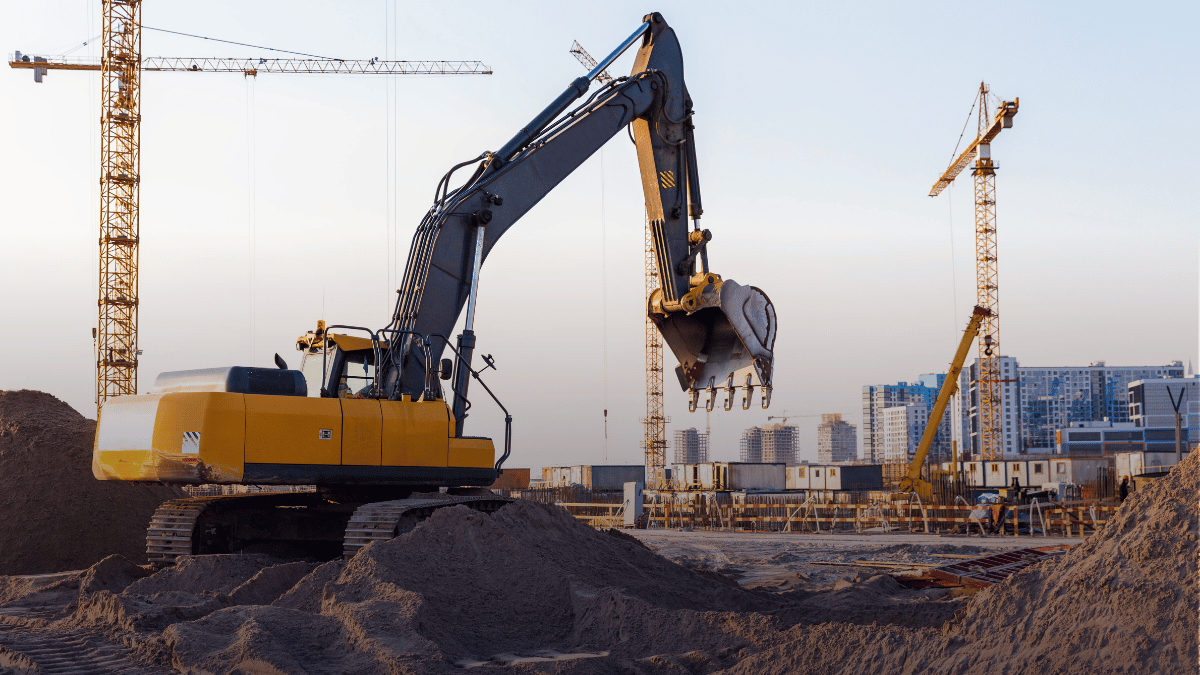
Modern engineering continues to redefine possibilities across global development, and Industrial construction stands at the forefront of this transformation. Within the first 30 words, the focus clearly highlights how innovation, technology, and advanced engineering methods are driving new opportunities in large-scale industrial projects, reshaping regional development standards and setting the stage for stronger economic momentum.
A New Era of Engineering-Led Industrial Expansion
Across major industrial hubs, engineering has shifted from traditional building practices to a sophisticated ecosystem built on precision, automation, and sustainable methodologies. Industries such as manufacturing, logistics, processing, energy production, and advanced warehousing now demand highly engineered infrastructures that support speed, reliability, durability, and uninterrupted workflow. As a result, industrial development is not merely about construction—it's about integrating modern systems that ensure every facility operates at peak efficiency.
Today’s industrial developers rely on intelligent planning, data-driven design, and optimized building frameworks to achieve results previously thought impossible. The shift is visible in global markets and even more prominently in rapidly developing regions where demand for high-performance industrial facilities continues to rise. This transformation aligns strongly with rising expectations from investors, businesses, and government sectors seeking reliability and future-readiness in every project.
Within this evolving landscape, the role of engineering in Industrial Construction in Dubai demonstrates how cities leverage innovation to accelerate economic diversification and strengthen industrial output. The region’s rapid growth illustrates the value of engineering excellence and advanced construction techniques that support long-term expansion.
Technology as the Backbone of Industrial Advancement
One of the most defining features of modern industrial development is the integration of advanced technologies at every building stage. From early-stage planning to execution and operational monitoring, technology supports structural precision and overall performance. Digital modeling tools such as BIM (Building Information Modeling) enable seamless collaboration among architects, engineers, contractors, and facility operators. These tools reduce errors, speed up approvals, and ensure that the final build aligns perfectly with operational objectives.
Automation plays a crucial role as well. Smart sensors, energy-efficient systems, integrated safety solutions, and automated machinery help industrial spaces maintain consistent operations. Predictive maintenance technologies give companies the ability to detect potential issues in real time, preventing downtime and protecting long-term investments.
Cities experiencing rapid industrial expansion continue to adopt these technologies to remain competitive. From logistics parks to specialized industrial zones, the focus remains on creating smarter environments where operations can scale rapidly without compromising safety or efficiency.
In regions where industrial output is growing quickly, the demand for modern facilities continues to attract major developers—including some of the largest construction company in dubai, which contribute significantly to the city's industrial progression by utilizing cutting-edge engineering solutions.
Building Industrial Spaces for Long-Term Durability
Durability is one of the most important requirements for modern industrial facilities. These structures must withstand constant operational pressure, heavy machinery loads, high temperatures, chemical exposure, and rapid movement of goods. Modern engineering ensures that industrial structures are built with high-performance materials, advanced load-bearing systems, and customized reinforcements designed specifically for each type of operation.
Engineering teams now focus heavily on risk assessment and pre-emptive planning, leading to structures that can adapt to future expansions or technological upgrades. Instead of constructing facilities with limited flexibility, developers create modular frameworks allowing companies to add new sections, expand storage systems, or upgrade production lines without disrupting existing operations.
Environmental safety and compliance also form an important part of industrial construction today. Cities with stringent sustainability targets implement eco-friendly building standards, ensuring that industrial spaces align with global environmental expectations. This includes renewable energy integration, water recycling systems, green ventilation solutions, and environmentally responsible material selection.
Economic Growth Fueled by Engineering Excellence
Industrial development is a crucial part of national economic growth. It supports manufacturing, trade, supply chains, technology sectors, and countless supporting industries. With the rise of global and regional trade routes, the need for advanced industrial facilities becomes even more essential.
Innovative engineering allows industries to operate efficiently while reducing long-term costs. Companies benefit from improved workflows, reduced energy consumption, and stronger safety measures. At the national level, these advancements translate into job creation, increased foreign investment, business expansion, and strengthened economic stability.
The future of industrial growth lies in integrating engineering with sustainability, digital intelligence, and smart infrastructure planning. As more cities adopt these principles, industrial zones will evolve into highly productive, technologically advanced centers capable of driving long-term economic prosperity.
Conclusion
The next generation of industrial growth is firmly rooted in engineering innovation, strategic planning, and technology-driven development. As cities and industries continue to expand, their reliance on modern engineering becomes essential to achieving efficiency, safety, durability, and sustainability. These advancements ensure that industrial facilities evolve alongside global standards and future demands, setting the foundation for long-term success. This ongoing evolution highlights the importance of choosing the right partners—especially a reliable dubai construction company—capable of delivering engineered excellence in every project.

 Arabic
 French
 Spanish
 Portuguese
 Deutsch
 Turkish
 Dutch
Dutch
 Italiano
 Russian
 Romaian
 Portuguese (Brazil)
 Greek
Greek