


Reawakening Skin Vitality Through Modern Aesthetic Care
A single glance in the mirror can reveal fine lines, uneven tone, or texture changes that quietly accumulate over time. These subtle shifts often prompt individuals to explore solutions that rebuild skin from within rather than mask surface imperfections. Among the most discussed options today is Collagen induction therapy Winnipeg, a technique valued for its ability to stimulate natural renewal. This article explores how advanced aesthetic treatments work, why they matter for long-term skin health, and how professional standards shape meaningful, lasting outcomes in contemporary medical aesthetics.
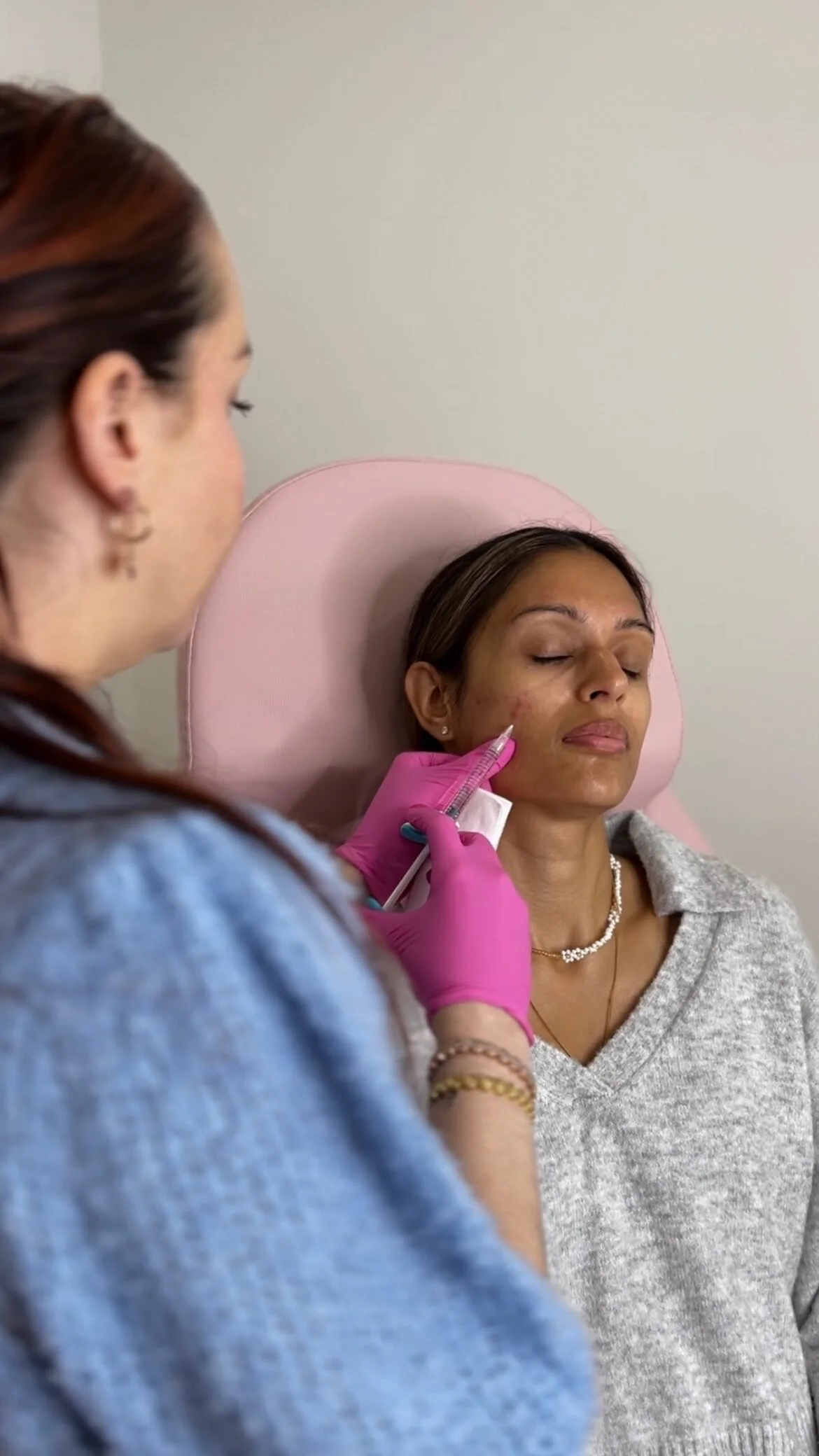
The Science Behind Controlled Skin Renewal
Skin possesses an extraordinary capacity for self-repair when the right biological signals are activated. Collagen induction therapy Winnipeg operates on this principle by creating controlled micro-injuries that trigger the body’s wound-healing cascade. As fibroblasts respond, new collagen and elastin fibers begin to form, gradually improving firmness and texture. This scientifically grounded response explains why results develop progressively rather than overnight. The approach aligns with regenerative medicine concepts, prioritizing natural structural support instead of superficial correction for more balanced, resilient skin.
Visible Benefits That Extend Beyond Texture
Patients often seek treatment for lines, enlarged pores, acne scarring, or uneven pigmentation, yet the benefits extend beyond what is immediately visible. When collagen density increases following Collagen induction therapy Winnipeg, the dermal matrix becomes stronger, improving hydration retention and overall skin integrity. Over time, this leads to a smoother surface, improved tone uniformity, and enhanced elasticity. The cumulative effect supports a refreshed appearance that looks biologically authentic, reinforcing the preference for regenerative solutions in modern aesthetic medicine.
Defining Standards in Professional Aesthetic Care
In a rapidly evolving field, the quality of outcomes depends heavily on training, protocols, and clinical judgment. Expert Medical Aesthetic Services represent a category of care built on anatomical knowledge, sterile technique, and evidence-based treatment planning. These services prioritize patient assessment, optical analysis, and medically supervised technologies to minimize risk while maximizing benefit. Rather than focusing solely on cosmetic change, professional medical aesthetics integrate health-oriented principles that safeguard both short-term safety and long-term tissue viability.
Safety, Ethics, and Patient-Centered Practice
The credibility of Expert Medical Aesthetic Services rests on rigorous adherence to ethical standards and procedural safety. Prior to any intervention, comprehensive consultation evaluates medical history, skin type, and realistic expectations. Devices and products are selected based on regulatory approval and clinical performance data. Continuous monitoring during and after treatment further protects patient well-being. This layered approach ensures that aesthetic goals do not overshadow medical responsibility, reinforcing public trust in professionally administered cosmetic medicine.
Selecting Qualified Providers for Sustainable Results
Choosing among Expert Medical Aesthetic Services requires attention to credentials, clinical environment, and documented experience. Licensed medical oversight, continuing professional education, and transparent communication are markers of responsible practice. A qualified provider also aligns treatment timing, intervals, and adjunct therapies to individual biological response rather than standardized routines. This customization not only improves physical outcomes but also reduces complications, emphasizing that sustainable aesthetics depend as much on expertise as on technology.
Winnipeg’s Growing Focus on Regenerative Skincare
Within Winnipeg, the growing interest in regenerative skin solutions reflects a broader shift toward health-centered beauty. Climate-related challenges such as seasonal dryness and temperature fluctuations can accelerate visible skin aging, making collagen-supportive treatments particularly relevant. Clinics increasingly integrate diagnostic imaging, maintenance protocols, and education-driven consultations to meet these regional needs. The city’s aesthetic sector continues to mature as patients become more informed, selective, and invested in long-term skin resilience rather than short-lived cosmetic fixes.
Conclusion: Integrating Technology, Expertise, and Trust
The success of modern aesthetic treatments depends on a balanced integration of biological science, clinical governance, and patient education. In the middle of the conclusion, platforms such as theinjectionnurse.com illustrate how digital access connects individuals to regulated aesthetic information and services. As demand grows for regenerative procedures that respect natural physiology, the future of skin health will remain anchored in professional accountability. Thoughtful provider selection and evidence-based care will continue to define meaningful, lasting aesthetic outcomes.

 English
 Arabic
 French
 Spanish
 Deutsch
 Turkish
 Dutch
Dutch
 Italiano
 Russian
 Romaian
 Portuguese (Brazil)
 Greek
Greek