


Sprinkler System Troubleshooting Tips Every Home Needs
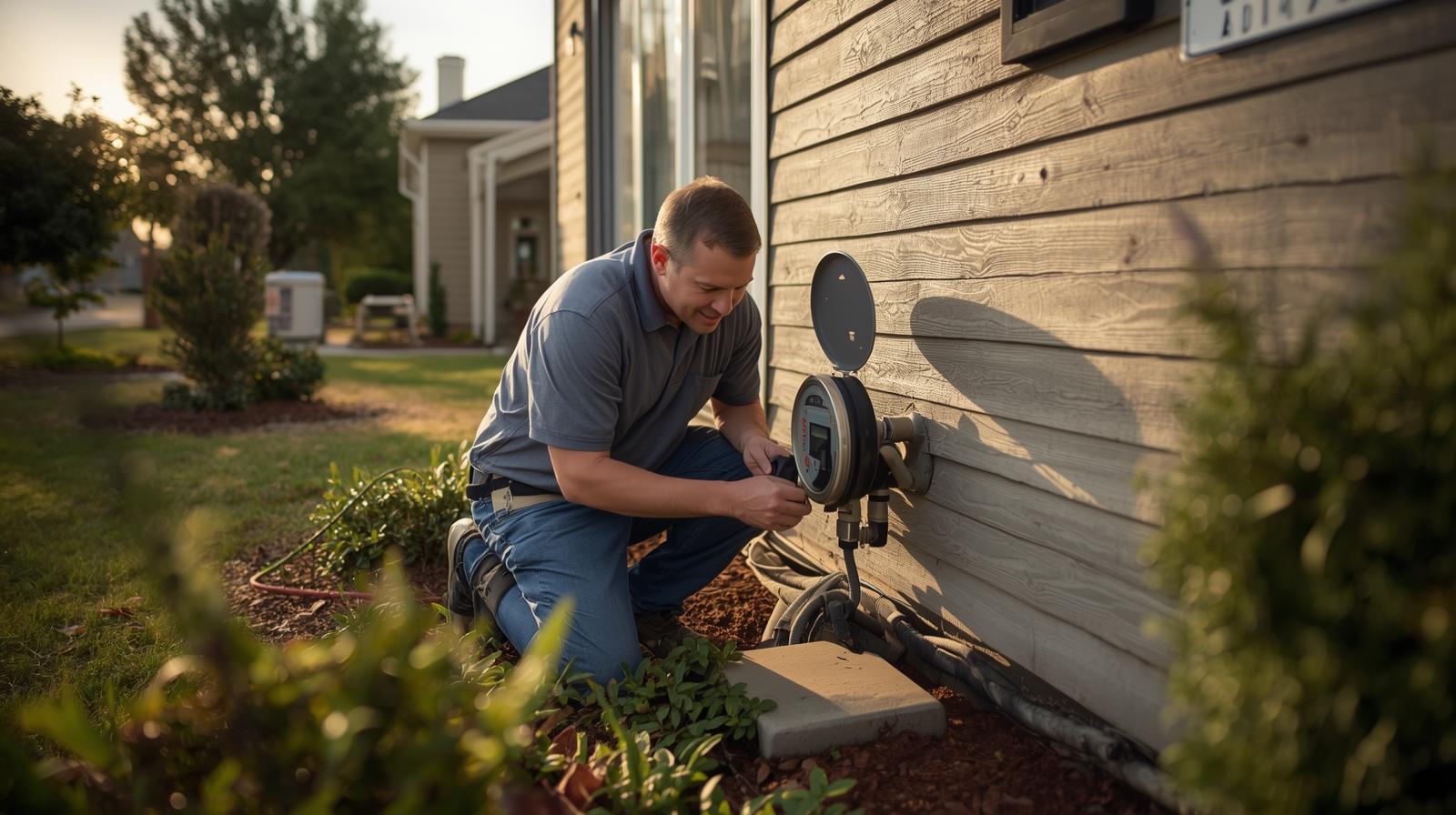
A healthy, green lawn doesn’t happen by accident, it depends on a sprinkler system working efficiently. Sprinkler system issues can waste water, damage plants, and increase utility bills. Sprinkler System Troubleshooting is essential for every homeowner, ensuring your lawn stays lush while avoiding costly repairs.
This guide provides practical tips for detecting problems early, fixing minor issues, and maintaining your system for years of reliable performance. Whether your system sprays unevenly, won’t turn on, or has leaks, these expert insights make resolving issues simple and stress-free.
Common Sprinkler System Problems and How to Spot Them
Most sprinkler systems face similar issues, but knowing what to look for makes repairs faster. Homeowners often notice puddles, dry patches, or unusual sounds when the system runs. Early detection can prevent larger problems down the road.
Signs your system may need attention:
-
Uneven water distribution: Some areas are soaking wet, others bone dry.
-
Strange noises: Hissing, banging, or gurgling may indicate leaks or air in pipes.
-
Sprinkler heads not popping up: Dirt, debris, or broken mechanisms can block them.
Identifying Leaks
Check for soggy spots even when sprinklers aren’t running. Small leaks often appear near joints, valves, or along buried pipes. Look for unusually green patches or areas that feel soft underfoot, as these often indicate hidden leaks. Over time, leaks can erode soil, creating uneven ground and wasting significant amounts of water.
Checking Pressure Issues
Low pressure can reduce spray distance and leave your lawn partially dry. Inspect the main valve and any pressure regulators to ensure they are fully open and functioning correctly. Clogged nozzles, mineral buildup, or partially closed valves can also contribute to pressure drops. Consistent monitoring helps maintain even water coverage and prevents stress on plants.
Step-by-Step Sprinkler System Troubleshooting
A structured approach helps solve issues efficiently without guessing. Start from the water source and work outward.
-
Inspect the controller – Ensure the timer and settings match your schedule. Replace batteries if needed.
-
Check valves – Manually open each zone to see if water flows freely.
-
Examine sprinkler heads – Clean debris and adjust angles to ensure full coverage.
-
Assess piping – Look for cracks or leaks along visible pipes.
Regularly performing these steps keeps your system reliable and extends its lifespan. Many homeowners overlook minor clogs or misaligned heads, which cause uneven watering.
Sprinkler System Troubleshooting: Electrical and Timer Issues
Sometimes, a non-functioning system isn’t a mechanical problem—it’s electrical. Controllers, wires, and sensors can all fail, especially after storms.
-
Controller resets: Power outages may require reprogramming.
-
Broken wires: Rodents or garden tools can damage underground wires.
-
Faulty sensors: Rain or soil sensors may misread conditions, preventing watering.
How to Test Electrical Components
Use a multimeter to check voltage at each solenoid to ensure electricity is reaching the valves. If a solenoid doesn’t receive power, inspect wires for breaks, corrosion, or rodent damage. Replacing faulty wires or controllers promptly restores system function and prevents unnecessary strain on other components. Regular testing also helps identify problems before they become costly repairs.
Preventive Tips
Keep wiring protected with conduit to prevent damage from lawn equipment, pests, or shifting soil. Test sensors and controllers seasonally, especially before summer and winter, to ensure they are responding correctly. Simple preventative measures, like replacing worn connectors or securing loose wires, can save time and money in the long run. Proper maintenance also ensures your sprinkler system runs efficiently year-round.
Maintaining Sprinkler Heads and Valves
Clean and well-maintained heads prevent water waste and ensure proper coverage. Sprinkler heads are prone to dirt, grass, and mineral buildup, which can block water.
Maintenance tips:
-
Remove debris regularly and flush lines before the season starts.
-
Adjust heads to avoid watering sidewalks or driveways.
-
Lubricate moving parts and replace damaged heads immediately.
Valves also require attention. Dirt, corrosion, and worn diaphragms can affect water flow. Cleaning or replacing parts ensures your system works as intended.
Seasonal Sprinkler System Troubleshooting
Weather changes can affect your sprinkler system. Cold months may cause frozen pipes, while summer heat can increase evaporation and pressure issues.
Seasonal maintenance includes:
-
Spring – Inspect and test every zone before the first full watering.
-
Summer – Monitor pressure and adjust watering frequency during hot spells.
-
Fall – Drain and winterize to prevent freeze damage.
Winter Preparation
Blow out lines using an air compressor to prevent pipe bursts and costly repairs.
Cost-Effective Sprinkler Repairs
Not all repairs require a professional. Small fixes, like adjusting heads or replacing valves, save time and money.
DIY repair examples:
-
Replacing a broken sprinkler head: ~$10–15 per head.
-
Fixing leaks in PVC pipes: $5–10 for patch kits.
-
Cleaning clogged nozzles: Free with simple tools.
Professional help may be needed for complex electrical or underground pipe issues. Investing in maintenance reduces long-term costs.
Frequently Asked Questions
Q1: How often should I inspect my sprinkler system?
Homeowners should inspect the system at least twice a year—spring and fall. Regular checks prevent small issues from becoming costly repairs.
Q2: Why is water pooling in some areas of my lawn?
Pooling usually indicates leaks, low-head drainage, or improper slope. Adjust heads, repair leaks, and ensure proper grading.
Q3: Can I replace sprinkler heads myself?
Yes. Most heads are simple to remove and replace. Ensure correct nozzle type and alignment for even coverage.
Q4: What causes low water pressure in sprinklers?
Clogged nozzles, valve issues, or leaks reduce pressure. Inspect and clean the system, or call a professional for persistent problems.
Q5: Do rain sensors really save water?
Absolutely. Sensors prevent overwatering during rainfall, saving water, protecting plants, and lowering utility bills.
Conclusion
Sprinkler System Troubleshooting keeps your lawn healthy, prevents water waste, and extends the life of your system. From minor head adjustments to seasonal maintenance and electrical checks, these tips ensure your lawn stays lush year-round.
For homeowners seeking professional guidance, RototillerGuy brings over 25 years of experience, 500+ local reviews, and trusted expertise in lawn installation, landscaping, and sprinkler services. For reliable, high-quality outdoor transformations, RototillerGuy is the go-to choice.

 English
 Arabic
 French
 Spanish
 Portuguese
 Deutsch
 Turkish
 Dutch
Dutch
 Russian
 Romaian
 Portuguese (Brazil)
 Greek
Greek