


Aspirin: A Phenyl Ester of an Alkyl Alkanoate Drug
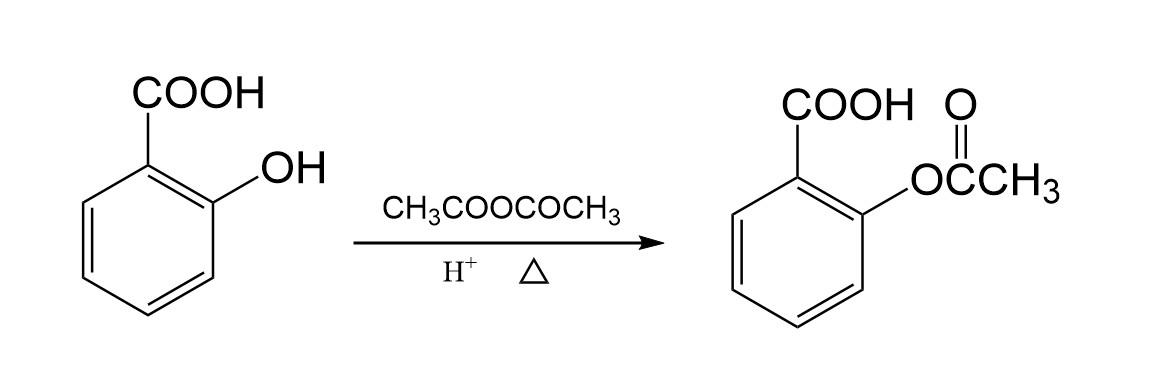
1997 marked the 100th anniversary of the synthesis of 2-hydroxybenzoic acid (salicylic acid), an acetate ester of 2-hydroxybenzoic acid, namely 2-acetoxybenzoic acid (acetylsalicylic acid), more commonly known as aspirin. Aspirin was the first drug to undergo clinical trials before being marketed in 1899. Worldwide, humans have taken over 100 billion tablets to relieve headaches, rheumatic pain, and other aches and pains, control fever, and treat gout and arthritis.
Salicylic acid from which aspirin derives its name, with the "a" representing acetyl, is found in willow bark or as an extract from meadowsweet and has been used since ancient times to treat pain, fever, and swelling. The acid was first isolated in pure form in 1829 and then synthesized in the laboratory, eventually being mass-produced in the 19th century and used as a prescription analgesic, antipyretic, and anti-inflammatory drug. Its bitter taste and side effects, such as oral irritation and stomach bleeding, spurred research into better derivatives, leading to the discovery of aspirin.
In the human body, aspirin acts as a precursor to salicylic acid. Salicylic acid irreversibly inhibits cyclooxygenase, an enzyme that triggers the synthesis of prostaglandins, which subsequently cause inflammation and pain. Furthermore, one of the prostaglandins, thromboxane A, aggregates platelets and is essential for blood clotting when injury occurs. However, this same process is detrimental within the bloodstream, as it can cause heart attacks and strokes depending on the location of the clot. Indeed, extensive research conducted in the 1980s showed that aspirin reduces the risk of heart disease in humans by almost 50% and reduces mortality during a heart attack by approximately 23%.

Many potential applications of aspirin are under investigation, such as in the treatment of pregnancy-related complications, viral inflammation in AIDS patients, dementia, Alzheimer's disease, and cancer. Despite its widespread use, aspirin has some serious side effects, including liver toxicity, prolonged bleeding time, and gastrointestinal bleeding; it is also suspected of causing Reye's syndrome, a brain injury that often leads to death. Because of these drawbacks, many competing drugs have emerged in the painkiller market, such as naproxen, ibuprofen, and N-acetaminophen. N-acetaminophen is produced by acetylation of 4-aminophenol.

 English
 French
 Spanish
 Portuguese
 Deutsch
 Turkish
 Dutch
Dutch
 Italiano
 Russian
 Romaian
 Portuguese (Brazil)
 Greek
Greek