 English
 Arabic
 French
 Spanish
 Portuguese
 Deutsch
 Turkish
 Dutch
Dutch
 Italiano
 Russian
 Romaian
 Portuguese (Brazil)
 Greek
Greek

Flame Cutting Service
Other |
2026-03-23 12:17:57

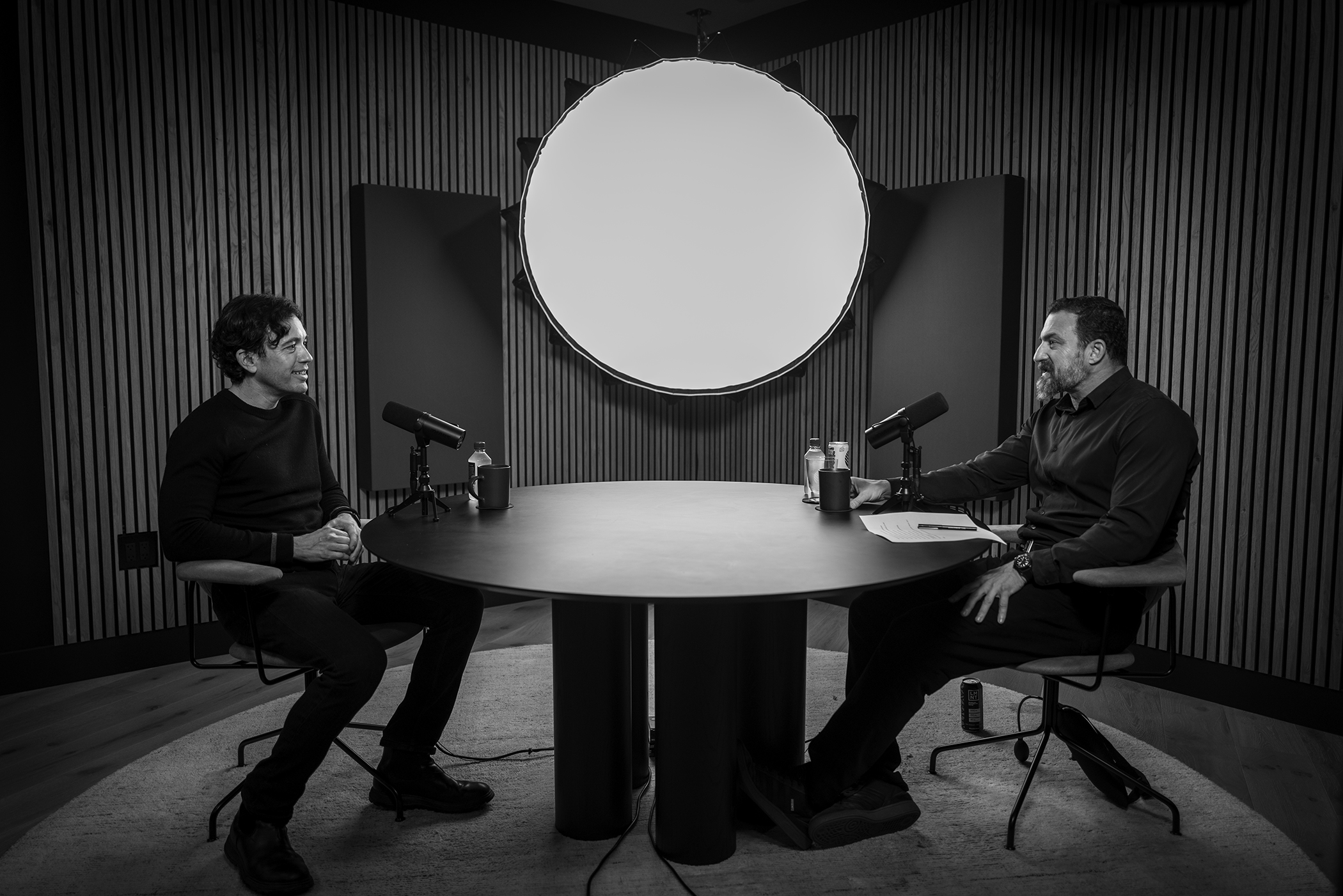
If you’re over the age of twenty-five, you’ve probably heard someone say that you can’t teach an old dog new tricks. Dr. Andrew Huberman wants you to know that saying is dead wrong. While it’s true that the brain’s most explosive period of plasticity occurs in childhood and adolescence, his research and teachings have helped popularize a more hopeful reality: adult brains are still highly capable of rewiring, but the rules change. After age twenty-five, your brain no longer changes passively just because you’re exposed to something new. It requires active engagement, specific neurochemical conditions, and a willingness to make errors. Huberman has assembled a blueprint for adult neuroplasticity that demystifies the process and gives you practical steps to learn new skills, break old habits, and even recover from injury, no matter how old you are. Here’s how to rewire your brain on purpose, not by accident.
The first thing to understand about adult neuroplasticity is that it doesn’t happen for free. Huberman explains that for your brain to rewire, it needs a specific chemical cocktail: acetylcholine to flag an experience as important, epinephrine to provide alertness and focus, and dopamine to create a sense of reward and motivation. In children, these chemicals are released easily and often. In adults, they’re released only when you are truly focused, mildly stressed, and operating at the edge of your abilities. This is why passively watching a language-learning video or listening to a podcast while doing dishes won’t create lasting change. You need to be actively engaged, making errors, and feeling the slight discomfort of not knowing what you’re doing. That discomfort is not a sign that you’re bad at learning. It’s a sign that your brain is releasing the very chemicals required for plasticity to occur.
One of the most practical insights from Huberman’s blueprint involves the sheer amount of focused effort required. His review of the plasticity literature suggests that significant neural rewiring requires a minimum of five hours per week of deliberate practice on a single skill. Less than that, and your brain doesn’t perceive the need to change. More than that without rest, and you risk burnout and injury. The five hours don’t have to be in one block—in fact, they shouldn’t be. Spacing matters. Thirty minutes per day, five days per week, produces better results than three hours on Saturday and two hours on Sunday. The daily consistency signals to your brain that this skill is important and worth dedicating resources to. After about eight weeks of hitting the five-hour weekly minimum, most people notice that the skill feels significantly easier and more automatic. That’s not just practice talking—that’s actual structural change in your neural circuits.
Perhaps the most counterintuitive element of Huberman’s blueprint is his emphasis on errors. Most adults try to learn by getting things right as often as possible. They drill the same correct movements, repeat the same correct answers, and avoid mistakes at all costs. Huberman argues that this approach actually slows plasticity. When you make an error, your brain releases a pulse of acetylcholine that flags the mistake as significant. This error signal tells your neurons, “Something went wrong—adjust the connections.” Without errors, there’s no signal to change. The ideal error rate for adult learning is about fifteen to twenty percent. If you’re getting everything right, you’re not learning efficiently. If you’re failing more than half the time, you’re in a state of frustration that releases stress hormones, which shut down plasticity. The sweet spot is a challenging task where you succeed most of the time but fail often enough to keep your brain alert and adjusting.
Here’s where many adults sabotage their own plasticity efforts. They practice hard during the day, making plenty of useful errors, but then they cut their sleep short. Huberman is emphatic that sleep is not passive recovery—it is the active phase of rewiring. During deep non-REM sleep, your brain replays the sequences you practiced while awake, but at roughly twenty times the speed. This rapid replay strengthens the synaptic connections you formed during the day and prunes away the ones you didn’t use. Without enough deep sleep, especially in the first half of the night, those new neural pathways remain weak and can disappear within forty-eight hours. For adults trying to learn new skills, Huberman considers seven to eight hours of quality sleep non-negotiable. He also notes that a twenty-minute nap in the afternoon, if it contains slow-wave sleep, can accelerate plasticity by an additional twenty to thirty percent. The nap window is roughly two to four hours after your main learning session.
Adults often try to practice for hours at a stretch, believing that more time equals more learning. Huberman’s blueprint rejects this approach in favor of working with your brain’s natural ultradian rhythms. Your ability to maintain focused attention runs in ninety-minute cycles, after which your brain needs a true rest period to clear metabolic waste and consolidate what you’ve learned. Pushing past ninety minutes without a break leads to diminishing returns and, over time, burnout. The protocol is simple: practice your skill for ninety minutes with full focus, then take a twenty-minute break where you do something completely different—walk outside, lie down with your eyes closed, or stare at a blank wall. Do not check your phone or scroll social media during this break, as that keeps your brain in a state of alertness and prevents the consolidation process. After the break, you can do another ninety-minute block if you have the energy. Two such blocks per day, five days per week, puts you right at the five-hour weekly minimum.
A less obvious but powerful tool in Andrew Huberman blueprint involves where you point your eyes. The brain’s locus coeruleus, which releases norepinephrine and creates the alert state necessary for plasticity, is activated by narrow, focused visual attention. When you let your gaze wander or blink frequently, you signal to your brain that you’re in exploration mode, which suppresses plasticity. To prime your brain for learning, Huberman recommends spending sixty seconds before each practice session holding your gaze steady on a small point—a dot on the wall, a specific letter on the page, a spot on your instrument. Reduce your blink rate as much as comfortable. After that minute, you’ll likely notice that your mind feels sharper and more present. Then begin your practice session while maintaining that focused gaze as much as possible. This visual anchor technique takes advantage of the fact that your eye movements and your attention are governed by overlapping brain circuits. Train your eyes to stay still, and your mind will follow.
Finally, Huberman wants adults to understand that neuroplasticity operates on a different timescale than motivation. You won’t feel different after one session or even after three sessions. Most people give up on a new practice because they don’t see immediate results. But Huberman’s research shows that the structural changes in your brain—the actual thickening of myelin around axons and the growth of new dendritic spines—take about two weeks of consistent practice to become measurable. During those first two weeks, you’ll likely feel clumsy, frustrated, and doubtful. That’s not a sign that the blueprint isn’t working. That’s the normal experience of adult plasticity. The people who succeed are not the ones who feel talented or motivated every day. They’re the ones who trust the process, show up for their five hours per week, make their fifteen percent errors, get their sleep, and wait for the two-week lag to pass. And then they wake up one morning and realize that the thing that felt impossible now feels ordinary. That’s not magic. That’s neuroplasticity.



