


Efficient Material Handling System for Streamlined Industrial Operations
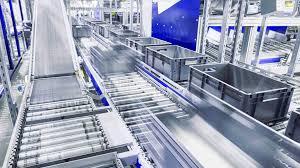
A reliable material handling system is essential for any industry aiming to improve productivity, safety, and workflow efficiency. Whether it is powders, liquids, raw materials, or finished goods, proper handling plays a crucial role in reducing manual effort and minimizing production delays. Modern industries rely on automated and semi-automated handling systems to ensure accuracy, consistency, and cost-effective operations.
A well-designed material handling system helps optimize the movement, storage, and control of materials throughout the production cycle. It enhances plant performance, reduces operational risks, and supports continuous industrial growth.
Why Material Handling Systems Are Important
1. Improved Workflow Efficiency
A material handling system creates a smooth and organized flow of materials, enabling industries to handle bulk movement without bottlenecks or interruptions.
2. Reduced Manual Labor & Human Error
Automation minimizes dependence on manual handling, lowering the chances of accidents, contamination, or incorrect loading/unloading.
3. Enhanced Safety
With proper equipment in place, industries reduce risks such as spillage, dust exposure, material damage, and workplace injuries.
4. Lower Operational Costs
By improving material movement and storage, companies save on manpower, time, and overall operational expenses.
5. Better Inventory Management
Automated systems help monitor material quantity, movement, and storage, improving stock accuracy and process planning.
Types of Material Handling Systems
Industries adopt different handling systems based on application, material type, and production needs. Common systems include:
-
Pneumatic conveying systems
-
Mechanical conveyors (belt, screw, bucket)
-
Automated storage & retrieval systems (ASRS)
-
Bulk material transfer systems
-
Liquid handling systems
-
Manual & semi-automatic handling equipment
Each system is designed to move materials safely, quickly, and efficiently within the plant.
Applications Across Industries
Material handling systems are widely used in:
-
Chemical & pharmaceutical manufacturing
-
Food & beverage processing
-
Powder processing industries
-
Cement, mining & minerals
-
Plastic and polymer plants
-
Agriculture & fertilizer units
-
Packaging and logistics operations
These systems ensure seamless material movement from raw material intake to final packaging.
What Makes a Good Material Handling System?
A high-quality system should have:
-
Smooth and controlled movement
-
Minimal product wastage
-
Dust-free and contamination-free transfer
-
Strong build quality
-
Easy maintenance and long service life
-
Flexible integration into existing operations
Conclusion
A robust material handling system plays an essential role in ensuring accuracy, safety, and efficiency in industrial production. With advancements in automation and engineering, industries can now handle bulk materials more effectively and reduce operational challenges. Implementing the right system can transform productivity, improve workplace safety, and support long-term business growth.

 English
 Arabic
 French
 Spanish
 Portuguese
 Turkish
 Dutch
Dutch
 Italiano
 Russian
 Romaian
 Portuguese (Brazil)
 Greek
Greek