


Understanding the Logitech Org Chart: Structure, Insights, and Why Organizational Mapping Matters
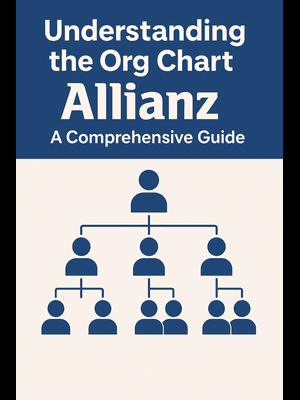
An organization chart—often shortened to org chart—is more than a visual hierarchy. It’s a blueprint that reveals how a company functions, how decisions flow, and how teams interact. When exploring the Logitech org chart, many professionals, researchers, and business development teams seek to understand how a global technology company structures its leadership, divisions, and strategic functions. Logitech, known for its peripherals, collaboration tools, and design-focused innovation, provides an interesting case study in modern organizational structure.
This article explores the broader purpose of org charts, the typical components you’ll find in a Logitech org chart, how such diagrams support industry research, and why business-intelligence platforms—such as tools available through sites like OrgKonnect by BizKonnect—are becoming essential for visualizing and analyzing enterprise structures.
Why Organizational Charts Matter in Technology Companies
A company like Logitech operates across multiple markets: consumer electronics, gaming, enterprise collaboration, cloud-driven services, and software development. A clear org chart helps internal and external stakeholders understand:
1. Reporting and Leadership Structure
At its core, an org chart illustrates the chain of command. Even in innovative, design-oriented companies, understanding leadership roles is essential for decision-making, resource allocation, and communication.
2. Interdepartmental Relationships
Tech companies rely heavily on collaboration between hardware engineering, industrial design, marketing, software development, and sales. An org chart helps show how these functions connect.
3. Regional and Global Alignment
Because Logitech operates globally, the org chart typically includes regional leaders, country managers, and division heads who coordinate strategies across markets.
4. Strategic Focus Areas
Org charts often reveal the company’s priorities—such as expansion in video collaboration, gaming innovation, or enterprise solutions—based on how teams are structured and where leadership emphasis lies.
5. External Research & Business Development
For sales teams, partnership managers, and analysts, the org chart is a roadmap for identifying decision-makers. Platforms like OrgKonnect aggregate validated organizational insights, making it easier to understand who leads key initiatives within companies.
An Overview of the Logitech Org Chart (Conceptual)
While the specific details of the Logitech org chart evolve over time, the general structure follows a familiar model seen in globally distributed technology companies. Here’s what a typical org chart for a company like Logitech might include:
1. Executive Leadership
At the top sits the Chief Executive Officer (CEO), supported by a core leadership team that may include:
-
Chief Financial Officer
-
Chief Operating Officer
-
Chief Marketing Officer
-
Chief Technology Officer or Head of Engineering
-
Chief Human Resources Officer
-
Division Presidents or General Managers
These leaders guide Logitech’s long-term strategy, global performance, and cross-departmental alignment.
2. Product and Business Divisions
Logitech’s business is divided across major product segments. Depending on the year and strategic direction, these segments may include:
-
Personal Workspace Solutions (keyboards, mice, webcams)
-
Gaming (Logitech G)
-
Video Collaboration (Logi Dock, conference cameras)
-
Music & Creativity (microphones, creator gear)
-
Software & Services
Each division typically has its own senior leadership team responsible for product development, operations, marketing, and go-to-market execution.
3. Engineering & Innovation
This area is central to Logitech’s identity as a design-driven company. Departments often include:
-
Hardware Engineering
-
Industrial & UX Design
-
Software Development
-
Research & Innovation Labs
These teams collaborate across multiple product lines, contributing to both incremental improvements and breakthrough innovations.
4. Marketing, Sales, and Customer Experience
To support global product distribution, the org chart includes regional sales teams, marketing hubs, e-commerce specialists, and customer support groups. These teams ensure that Logitech’s technology reaches consumers effectively and that brand messaging is consistent worldwide.
5. Regional Leadership
For a global company, regional segmentation is essential. The Logitech org chart may highlight:
-
Americas
-
Europe, Middle East & Africa (EMEA)
-
Asia-Pacific (APAC)
Each region contains country-level or area-level managers who adapt global strategies to local markets.
What the Logitech Org Chart Reveals About Modern Tech Companies
Studying the Logitech org chart offers broader insights into how modern technology firms structure themselves, especially those balancing hardware, design innovation, and digital services.
1. Cross-Functional Collaboration Is Essential
Logitech’s emphasis on design means that engineering, marketing, and user experience teams frequently collaborate. Org charts often highlight cross-functional leadership or matrix-style management to support this collaboration.
2. Customer-Centric Structure Drives Product Strategy
Many of Logitech’s divisions are product- or audience-focused—for example, gaming or enterprise collaboration—indicating a structure that aligns teams with specific user needs.
3. Global Operations Require Distributed Leadership
Logitech’s footprint necessitates region-specific leadership to handle unique market requirements, compliance standards, retail strategies, and cultural nuances.
4. Innovation Requires Multidisciplinary Teams
Design-driven companies tend to blend creative, technical, and analytical disciplines. This is reflected in org charts that integrate design labs, engineering groups, and product strategy teams at multiple levels.
How Tools Like OrgKonnect Help Visualize the Logitech Org Chart
Understanding a company’s organizational structure can be challenging, especially when departments span continents and evolve frequently. That is why business-intelligence platforms—such as those available through OrgKonnect by BizKonnect—have grown in importance.
These platforms consolidate publicly available data, company disclosures, and verified industry insights to create dynamic org charts. For companies like Logitech, this helps users quickly identify:
-
Key decision-makers
-
Department heads and leadership changes
-
Regional roles and reporting lines
-
Strategic business units
-
Potential partnership or sales opportunities
Professionals who rely on accurate org charts—such as sales teams, account managers, and market researchers—use tools like OrgKonnect to avoid the challenges of manually assembling fragmented organizational information.
Practical Uses of the Logitech Org Chart
Whether you’re conducting competitive analysis, preparing for outreach, or studying industry trends, a detailed org chart can support several practical applications.
1. Market Mapping
Understanding who leads which divisions helps analysts map market influence and anticipate strategic moves—such as product expansions or leadership transitions.
2. Account-Based Selling
Sales teams often use org charts to target outreach more effectively. Knowing who leads procurement, IT, or product development helps tailor messaging to the right stakeholders.
3. Partnership Development
Companies that want to collaborate with Logitech—on hardware integration, sustainability initiatives, or distribution partnerships—use org charts to identify decision-makers.
4. Talent Acquisition
Recruiters and candidates analyze org charts to understand team structure, reporting lines, and potential career paths.
5. Academic and Industry Research
Org charts provide valuable context about how well-known global companies operate, evolve, and respond to market trends.
How the Logitech Org Chart Reflects the Company’s Values
A company's org chart is often a reflection of its identity. For Logitech, several organizational patterns reflect its brand values:
-
Design-first mindset: Strong emphasis on design and innovation groups.
-
Customer focus: Product lines structured around user segments.
-
Agility: Distributed teams enabling rapid adaptation.
-
Sustainability: Dedicated leadership for environmental and corporate responsibility initiatives.
-
Global reach: Regional hubs ensure that the company remains aligned with international audiences.
The org chart showcases these values not only through top-level leadership roles but also through how teams are distributed and interconnected.
FAQs About the Logitech Org Chart
1. What is the Logitech org chart?
The Logitech org chart is a visual representation of how the company is structured—including leadership roles, business units, functional teams, and regional operations. It helps show reporting relationships and strategic focus areas within the organization.
2. Why do people search for the Logitech org chart?
Professionals often look for the Logitech org chart to identify decision-makers, understand how product divisions are organized, conduct market research, or support sales and partnership initiatives.
3. Does Logitech frequently update its organizational structure?
Like most global technology companies, Logitech periodically updates its structure to adapt to market trends, new product categories, and leadership changes. Publicly available org charts may evolve in response to these shifts.
4. Where can I find a detailed or updated Logitech org chart?
While Logitech may share high-level leadership information, detailed org charts are often available through business-intelligence platforms such as OrgKonnect by BizKonnect, which compile and maintain structured organizational insights.
5. What can I learn from studying the Logitech org chart?
Reviewing the org chart can help you understand Logitech’s strategic priorities, identify key executives, analyze functional relationships, and gain insights into how a global design-driven technology company operates.

 Arabic
 French
 Spanish
 Portuguese
 Deutsch
 Turkish
 Dutch
Dutch
 Italiano
 Russian
 Romaian
 Portuguese (Brazil)
 Greek
Greek