


Building a B2B Lead Generation Funnel: Best Practices
In today's competitive B2B marketplace, having a strong B2B lead generation funnel is not just a strategy, it’s a necessity. Today’s B2B buyers are informed, selective, and often halfway through the buying process before they even engage with a sales team. For this reason, businesses need to have a solid funnel in place that attracts, nurtures, and converts leads into loyal clients.
In this blog post, we’re going to discuss the mechanics, strategies, and best-practices of building a high-functioning B2B lead generation funnel – as well as provide you with an actionable roadmap that you can take and implement to drive tangible results.
Understanding the B2B Lead Generation Funnel
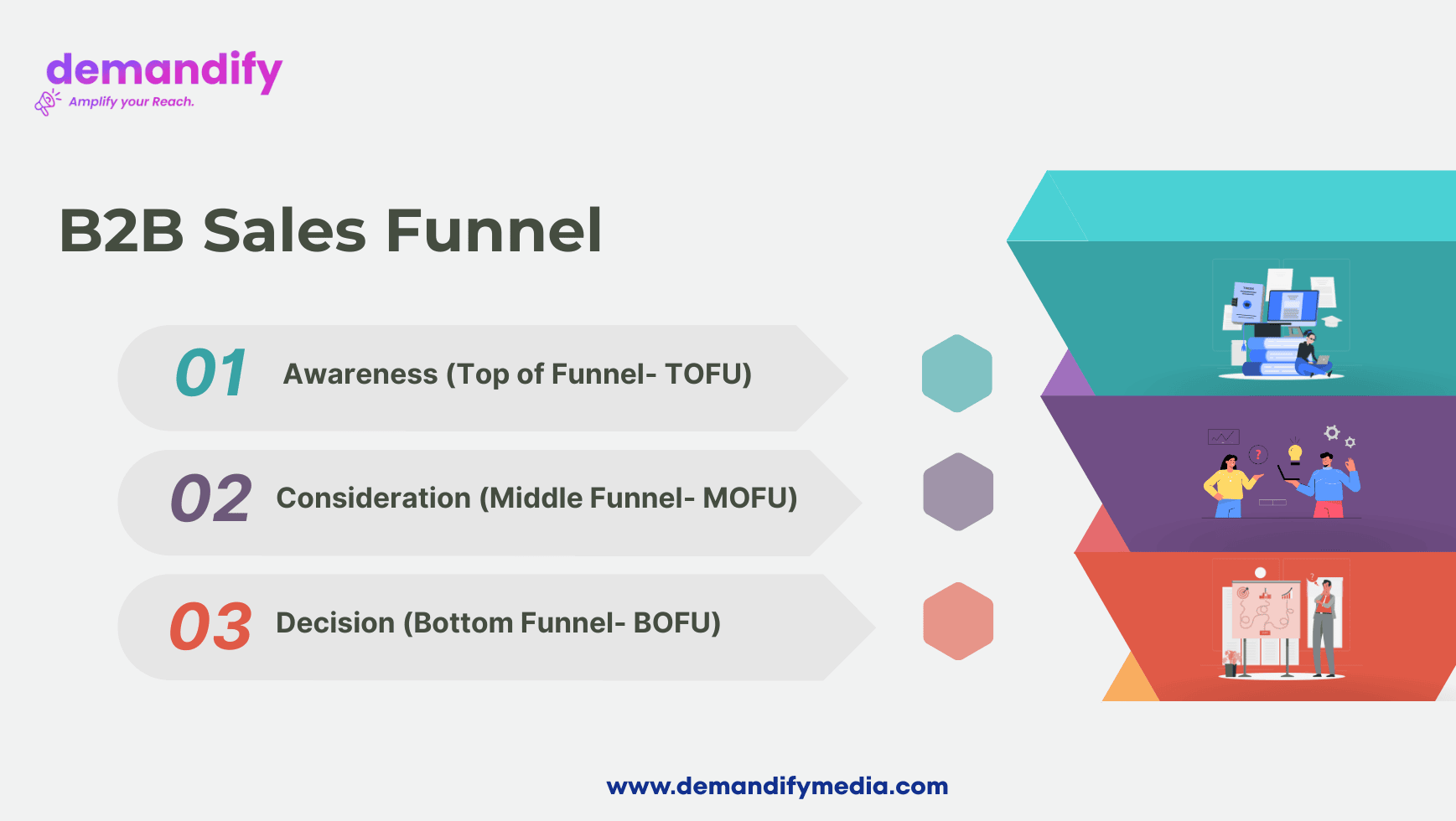
A B2B lead generation funnel is a way to visualize the customer journey from prospect's first learn about your brand (the top of the funnel), until the lead is a part of your client roster (the bottom of the funnel). While B2C funnels can take a much shorter time to convert, B2B funnels tend to take much longer timelines, multiple stakeholders and interaction, and nurturing before a prospect reaches a decision.
Typically, lead generation funnels include four main stages:
-
Awareness: This is the stage when prospects first come into contact with your brand based on blog articles, social media, search engines, and/or ads.
-
Interest: This is when prospects are engaging with your content, exploring your offerings with interest.
-
Consideration: In this stage, newer prospects are comparing your offerings against one or two competitor offerings and are analyzing the ROI.
-
Decision: This is the stage where your prospect is at a point to engage with your brand as a qualified sales opportunity fully.
The funnel operates on how well you attract the right prospects, engage with them with valuable content, and move them into an easy and seamless process to convert them.
Why a B2B Lead Generation Funnel Matters
An effectively constructed B2B lead generation funnel guarantees that none of your potential leads slips through the cracks. It creates a structure to give you insight into what prospects are doing with your brand and what they do next.
Even better, a strong funnel helps sales and marketing become aligned on goals as it enables the two teams to leverage the same metrics, like engagement, lead scoring, and conversion rate, to evaluate their efforts.
Upon further research, HubSpot's 2025 State of Marketing Report indicates that only 35% of U.S. marketers have a clear understanding of their target audience, and approximately 41% describe their marketing strategy as effective.
Action Plan: Steps to Build a B2B Lead Generation Funnel
Below is an action plan—by the end of this, you’ll have a clear plan of actionable steps to set up and execute a funnel to generate measurable outcomes.
Step 1 - Define Your Target Audience
Every successful funnel will always start with clarity. The next step is to define the Ideal Customer Profile (ICP). This includes determining their industry, company size, pain points, buying triggers, and decision-makers. If necessary, tools like LinkedIn Sales Navigator, ZoomInfo or Clearbit can help to refine this list.
Knowing your audience will ensure that your content, offers, and campaigns are attractive to the right leads.
Step 2: Establishing Recognition Through Value-Based Content
At this phase, the goal is education instead of selling. Write high-quality blogs, infographics, or reports based on real industry issues. Having high-quality content is important but don't ignore SEO—integrating relevant keywords like B2B lead generation funnel, lead nurturing, and demand generation strategy is key.
Great types of content include:
-
Thought leadership blogs - highlight your expertise in your field.
-
How-to guides - help alleviate common pain points.
-
Infographics and visual content - break down key data points.
-
Social media posts - expose your content organically to a larger audience.
The goal here is to attract interest and capture trust.
Step 3: Collect Leads with Compelling Offers
After you have their attention, the next step is to convert that interest into leads. This is where you will offer lead magnets like whitepapers, webinars, eBooks, or case studies.
Tip: Keep your forms simple and only request the most necessary information to minimize friction.
Best practice: Use exit-intent pop-ups or slide-ins to capture leads who may otherwise leave your site or email without engaging.
Giving value in exchange for prospects' information opens the door to building a relationship.
Step 4: Nurture Prospects Automatically
When leads are collected and recorded, the next step is nurturing them into becoming prospects. You can nurture prospects using email drip campaigns, personal content, and targeting ads to strategize their breaks down your prospects for your conversion funnel. Tools like HubSpot, Marketo, and ActiveCampaign facilitate these workflows and help to determine when to send the right message at the right time based on how the lead behaves, and where they are in the funnel.
Personalization matters; an email that is segmented and tailored to the appropriate lead is much more effective than a generic email blast.
Step 5: Evaluate and Rank Leads
Not all leads are ready to be your customer. It’s a good idea to put a lead scoring system in place to identify accounts with the highest intent. Metrics for scoring leads involve:
-
Email engagement (opens and clicks)
-
Website engagement (where a prospect goes on the site and how long they stay)
-
Content downloads
-
Webinar attendance
This helps your prospect team ensure they are focusing on leads that are most likely to convert, thus increasing both efficiency and revenue.
Step 6: Bring together Sales and Marketing Teams
The funnel will only work if both sales and marketing work well together. You'll want to create shared KPIs, set up recurring alignment meetings, and use integrated tools (with things like CRM and marketing automation tools) to progress leads through the funnel from marketing to sales.
When teams align together collaboratively, it will create more consistent messaging and simpler handling of leads, which means fewer lost opportunities.
Step 7: Optimize and Repeat
No matter how well your funnel is built, you will always need to improve it continuously. Track your metrics over time:
-
Conversion rates at each stage
-
Cost per lead
-
Time to conversion
-
Return on investment per campaign
-
A/B test landed pages, calls to action, email subject lines, and content offers
Proven Lead Generation Methods for B2B Funnels
To create a scalable funnel, you want to mix several channels together intentionally. The highest-performing options include:
-
Content Marketing: Creating a blog, whitepapers, and a guide or two showcases you as an expert and generates organic leads.
-
LinkedIn: Best targeting professionals by their role, company, or industry.
-
Email Campaigns: Continue to nurture your leads consistently using customized sequences.
-
Intent data & ABM (Account-Based Marketing): Target companies that display buying intent.
-
Webinars & Virtual Events: Demonstrate expertise while capturing qualified leads.
-
Content Syndication: Promoting via third-party platforms to distribute content to increase visibility.
Companies such as Demandbase, 6sense, and Demandify Media have demonstrated that layering those post lead acquisition methods can exponentially improve conversions from lead to sale.
Smart Strategies for Funnel Success
To ensure that your B2B lead generation funnel generates the most value, consider the following:
-
Utilize Data: Integrate and analyze your data to identify which content or channel sparks the most engagement.
-
Tailor Outreach: Personalize your emails, offers, and campaigns based on where the lead is in the buyer's journey.
-
Retarget Thoughtfully: Simultaneously nurture leads who previously interacted with your content, but did not convert.
-
Focus on Building Rapport: Focus on educating and providing value to your potential buyers versus asking for the sale.
-
Deliver Consistent Messaging: Reflect your value proposition for each channel to establish trust and reliability.
Bringing these strategies together creates a funnel that is efficient, measurable, and repeatable.
Common Mistakes to Avoid
Even a solid funnel can collapse if:
-
You are going to the wrong market.
-
Content is too generic or product-oriented.
-
There is no follow-up process after the consumer interacts with your content.
-
Sales and marketing are separate from one another.
-
Continual audits and optimization will eliminate these issues and keep your funnel functioning optimally.
Conclusion
A B2B lead generation funnel serves as more than a marketing device - it is the motor of business growth. By integrating data insights, multi-channel tactics, and the collaboration of sales and marketing, businesses can attract better leads, cultivate real relationships, and convert leads into engaged, long-term clients.
Whether you are a startup or an enterprise, having a organized, optimized funnel will help your business generate higher-quality leads, increased conversion rates, and create a more predictable revenue engine.
The foundation for success is to focus on clarity, consistency, and continuous improvement - the mantras of an effective funnel, and what will enable your B2B lead generation efforts to be successful long-term.

 English
 French
 Spanish
 Portuguese
 Deutsch
 Turkish
 Dutch
Dutch
 Italiano
 Russian
 Romaian
 Portuguese (Brazil)
 Greek
Greek