


Glass Reactor Market study on process optimization, automation technologies, and laboratory efficiency improvements
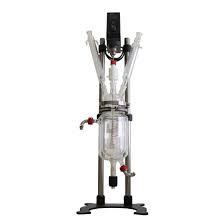
Glass Reactor Market study on process optimization, automation technologies, and laboratory efficiency improvements highlights the role of glass reactors in enhancing productivity, precision, and scalability in chemical, pharmaceutical, and biotech industries. Advanced reactors enable efficient workflows, consistent results, and energy savings across laboratory and industrial operations.
Process Optimization in Glass Reactors
Process optimization focuses on maximizing yield, reducing reaction time, and minimizing waste. Glass reactors allow precise control over temperature, pressure, and mixing conditions, ensuring reproducible and efficient chemical reactions. Optimized processes improve productivity, reduce operational costs, and enhance product quality in pharmaceutical, chemical, and biotech applications.
Automation Technologies
Automation technologies streamline reactor operations by integrating digital monitoring, smart sensors, and control systems. Automated reactors allow real-time adjustments, reducing manual intervention and human error. Integration with laboratory software enables data logging, process analysis, and predictive maintenance. These technologies improve safety, reproducibility, and operational efficiency for both small-scale and industrial-scale applications.
Laboratory Efficiency Improvements
Glass reactors enhance laboratory efficiency by supporting scalable reactions and flexible experimentation. Modular designs allow adaptation to different processes and volumes. Automation reduces manual workload, accelerates research timelines, and ensures consistent outcomes. Efficient laboratory workflows enable faster drug development, chemical synthesis, and biotechnological research, contributing to industrial competitiveness.
Applications Across Industries
Glass reactors are widely used in pharmaceutical, chemical, and biotech sectors. Pharmaceutical companies utilize reactors for drug synthesis, pilot studies, and industrial production. Chemical industries employ them for specialty chemicals, fine chemicals, and polymers. Biotech applications, such as fermentation and enzymatic reactions, require controlled environments and consistent outputs, ensuring reliability and reproducibility.
Technological Advancements
Technological innovations such as energy-efficient heating and cooling systems, automated controls, and digital monitoring improve performance and sustainability. Real-time data analysis allows precise control over reactions, enhancing product quality. Modular reactor designs enable adaptability for various laboratory and industrial requirements, supporting innovation and operational efficiency.
Market Trends and Regional Insights
North America and Europe lead in adoption due to advanced industrial infrastructure and research capabilities. Asia-Pacific is expanding rapidly with growing pharmaceutical and chemical production, research investments, and industrial development. Regional trends guide manufacturers in designing reactors that optimize efficiency, automation, and adaptability to meet local market needs.
Future Outlook
The glass reactor market is expected to grow steadily, driven by process optimization, automation, and laboratory efficiency improvements. Companies investing in advanced, energy-efficient, and modular reactors are well-positioned to meet evolving industry demands. Continued adoption in chemical, pharmaceutical, and biotech sectors will sustain market growth globally.

 English
 French
 Spanish
 Portuguese
 Deutsch
 Turkish
 Dutch
Dutch
 Italiano
 Russian
 Romaian
 Portuguese (Brazil)
 Greek
Greek