English
 Arabic
 French
 Spanish
 Portuguese
 Deutsch
 Turkish
 Dutch
Dutch
 Italiano
 Russian
 Romaian
 Portuguese (Brazil)
 Greek
Greek

Understanding Thigh Lift Surgery: Your Options in Riyadh
Health |
2026-03-25 13:16:47
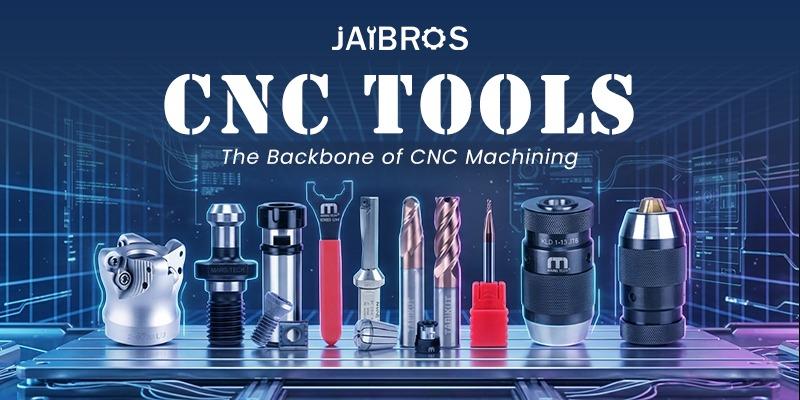
Learn how CNC tool geometry affects cutting performance, tool life, and precision. Improve machining efficiency with the right tools and setup.
Geometry of a tool is essential in determining the efficiency of the machining operation. The configuration of cutting tools affects various aspects like chip formation and finish. In the use of CNC tools, geometry can play an important role in making operations more precise and efficient.
In present times, a slight modification to the tool design will have an effect on the quality of production. With the proper selection of the cnc tool together with the correct setting of cnc machine tools, there will be minimal vibrations, better cutting efficiency, and a long tool life span.
Tool geometry refers to the design aspects that define how a tool cuts material. Various cnc tool types are engineered with specific angles to suit different applications and materials.
Key geometric features:
Rake angle: Helps in efficient chip removal
Relief angle: Reduces friction during cutting
Edge preparation: Enhances durability
Helix angle: Controls chip evacuation
The performance of cnc tools improves significantly when these features are optimized. Additionally, correct alignment within cnc machine tools ensures that the geometry performs as intended.
The geometry of a cnc tool directly affects cutting forces and machining speed. A well-designed tool reduces resistance and allows smoother material removal.
Key performance impacts:
Lower cutting forces
Better surface finish
Reduced heat generation
Improved chip control
Different cnc tool types are used for roughing and finishing operations, each with unique geometric designs. When paired with a stable cnc tool holder, the cutting process becomes more consistent and reliable.
Proper setup within cnc machine tools ensures that cnc tools deliver optimal performance without excessive wear.
Different materials require different tool geometries. A single cnc tool cannot perform efficiently across all materials, which is why multiple cnc tool types are used in machining.
Examples:
Aluminum: Requires sharper angles for smooth cutting
Steel: Needs stronger edges for durability
Titanium: Demands heat-resistant geometry
Choosing the right geometry enhances the efficiency of cnc machine tools and reduces tool wear. It also improves the life span of cnc tools under demanding conditions.
A compatible cnc tool holder is equally important, as it ensures stability and prevents misalignment during cutting.
The effectiveness of any cnc tool depends heavily on how securely it is held. A high-quality cnc tool holder ensures proper positioning and minimizes vibration.
Benefits of proper tool holding:
Increased machining accuracy
Reduced tool runout
Better surface finish
Enhanced safety
Modern cnc machine tools are designed to work efficiently with advanced holders. When combined with the right cnc tool types, they provide consistent machining results.
A rigid cnc tool holder also helps cnc tools operate at higher speeds without compromising quality.
Optimizing tool geometry is essential for maximizing machining performance. Selecting the right cnc tool and geometry based on the application can significantly improve output.
Best practices:
Match geometry with material type
Use suitable cnc tool types for each task
Ensure compatibility with cnc machine tools
Regularly inspect cnc tools
Invest in a reliable cnc tool holder
Continuous improvement in geometry and setup helps manufacturers achieve higher efficiency and precision. Even minor adjustments can lead to better results and reduced costs.
The shape of the tool is another important parameter that greatly impacts the efficiency, accuracy, and lifespan of the process. The choice of the correct CNC tooling, the knowledge of various CNC tool classifications, and the coordination with CNC machine tools contribute to increased productivity. Stable CNC tool holder systems ensure improved performance and reduced vibrations. For instance, the company jaibros demonstrates how essential good tooling systems are due to their innovative designs and durability.
Q1. What is CNC tool geometry?
It refers to the shape and angles of a cutting tool that affect its performance.
Q2. Why is tool geometry important?
It impacts cutting speed, tool life, and surface finish.
Q3. How many CNC tool types are there?
There are multiple cnc tools, including drills, end mills, and inserts, each designed for specific tasks.
Q4. What does a CNC tool holder do?
A cnc tool holder secures the tool and ensures stable machining.
Q5. Can geometry improve efficiency?
Yes, optimized geometry helps cnc tools perform faster and last longer.