
How Cash Home Buying Works in the Philadelphia Market

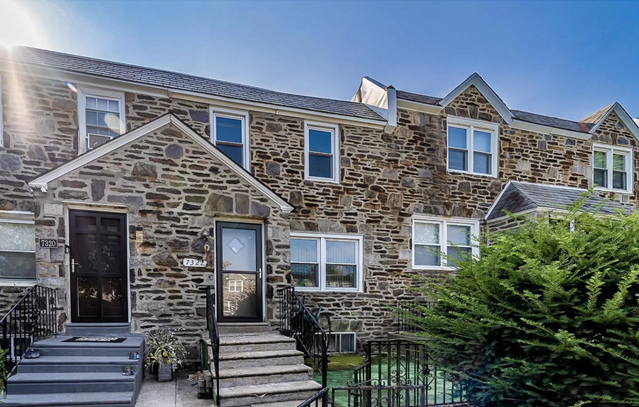
Cash home buying has become a familiar part of the Philadelphia real estate landscape, especially for sellers who want a faster, simpler, and more predictable transaction. In a city with older housing stock, varied neighborhood conditions, and a market that can shift quickly from one area to the next, cash offers often stand out because they reduce many of the delays tied to traditional financing. For homeowners facing time-sensitive situations, working with cash home buyers in Philadelphia can be one way to understand how quickly a sale may move compared with a conventional listing.
That does not mean every cash sale is the same, or that cash buyers are only useful in urgent situations. Some sellers simply want to avoid repairs, skip showings, or close on a timeline that fits a relocation, inherited property, or divorce settlement. Understanding how the process works helps Philadelphia homeowners make better decisions and set realistic expectations.
Key points
- Cash home sales usually move faster because there is no mortgage approval process.
- Sellers in Philadelphia often use cash sales to avoid repairs, inspections, and lengthy negotiations.
- Neighborhood condition, property age, and title status can all affect a cash offer.
- Even in a cash deal, sellers should review contracts, closing costs, and timelines carefully.
- A cash sale can be useful for inherited homes, distressed properties, or urgent moves.
What a Cash Home Sale Means
A cash home sale is a real estate transaction where the buyer does not rely on a mortgage loan to purchase the property. Instead, the buyer has funds available to complete the purchase directly. This can shorten the process because there is no lender underwriting, loan approval, or financing contingency that might delay closing.
In Philadelphia, cash purchases happen in many situations. Some buyers are investors looking for properties to renovate and resell. Others are individuals who simply want to buy without borrowing. In some cases, sellers prefer cash because the sale is less likely to fall through after an offer is accepted.
Why Cash Sales Are Common in Philadelphia
Philadelphia has a housing market that differs from many suburban areas. The city has a large number of rowhomes, older homes, and properties that may need updates. Some homes have inherited maintenance issues, code concerns, or title complications. These factors can make financing harder for traditional buyers, which creates more room for cash transactions.
Cash buying is also common because it can help sellers who need speed. For example, a homeowner dealing with foreclosure, probate, relocation, or major repairs may not want to wait through the long process of preparing a home for the open market. A cash sale can reduce the stress associated with listing, staging, and waiting for buyer financing.
How the Process Usually Works
1. Property review
The process often begins when the buyer reviews basic information about the home. This may include the address, condition, size, and any known issues. In Philadelphia, property condition matters a great deal because older homes may have structural wear, outdated systems, or deferred maintenance.
2. Offer presentation
After reviewing the property, the buyer presents an offer. Cash offers are typically made with the understanding that the buyer can move forward without waiting for a mortgage. The offer may be based on the home’s current condition and the estimated cost of repairs or resale value.
3. Agreement and contract
If the seller accepts, both parties sign a purchase agreement. This contract outlines the sale price, closing date, and any special terms. Sellers should read the agreement carefully, especially if the home is being sold as-is or if the buyer requests access for inspections or title review.
4. Title search and closing
Even in a cash sale, the title still needs to be cleared before closing. A title search checks for liens, unpaid taxes, ownership disputes, or other legal issues. Once the title is ready, the closing is scheduled and the seller receives payment, usually by wire transfer or certified funds.
Benefits for Philadelphia Sellers
One of the biggest advantages of a cash sale is the speed. A traditional sale can take weeks or months, especially if the buyer’s financing is delayed. Cash transactions often close much faster because there is less paperwork and fewer outside approvals.
Another benefit is convenience. Many Philadelphia sellers prefer not to invest in repairs before selling. Cash buyers often purchase homes in their current condition, which can be helpful for properties with roof issues, outdated kitchens, damaged plumbing, or other problems that would otherwise need attention before a listing.
Cash sales can also reduce uncertainty. In a financed transaction, a buyer may be approved initially but later fail underwriting. That risk is much lower with cash, which can give sellers more confidence that the deal will close.
What Sellers Should Watch For
Although cash sales can be efficient, sellers should still approach them carefully. Not every offer is equally strong, and not every buyer operates with the same level of professionalism. It is important to understand the full terms of the transaction, not just the headline price.
- Check the contract terms: Review closing dates, contingencies, and any fees the seller may be responsible for.
- Confirm proof of funds: A legitimate cash buyer should be able to show that the money is available.
- Understand the net proceeds: The sale price is not the same as the amount the seller receives after costs.
- Watch for title issues: Liens, unpaid taxes, or probate matters can slow the sale even when the buyer pays cash.
- Compare options: In some cases, a traditional listing may produce a higher price if time is not urgent.
How Philadelphia Market Conditions Affect Cash Offers
Philadelphia is not a single uniform market. Property values, demand, and buyer interest can differ significantly between neighborhoods such as West Philadelphia, Northeast Philadelphia, South Philly, and the surrounding areas. A home in excellent condition in a strong location may attract more competition, while a property needing substantial work may be more likely to receive cash offers.
Cash buyers often factor in location, repair needs, rental potential, and resale value. For example, a home near transit, hospitals, universities, or commercial corridors may draw more attention because of its long-term utility. On the other hand, properties with tenant issues, code violations, or severe damage may require a deeper discount because the buyer is assuming more risk.
When a Cash Sale Makes Sense
A cash sale can be a practical choice in several situations. Homeowners who inherited a property they do not want to manage may prefer a quick sale instead of handling repairs and upkeep. Sellers facing foreclosure may need a faster resolution to protect their financial situation. People relocating for work may also choose cash because it allows them to move on a tighter schedule.
Cash sales can also work well for homes that are difficult to finance through a lender. This includes properties with major repair issues, unfinished renovations, or occupancy problems. In these cases, a cash buyer may be willing to take on the work that a traditional buyer would avoid.
How to Evaluate a Cash Offer
When reviewing a cash offer, it helps to look beyond the number on the page. Sellers should consider how quickly the buyer can close, whether the offer is contingent on inspections, and whether there are any deductions for repairs or closing costs. A slightly lower offer with a clean and reliable closing may be more practical than a higher offer with delays or uncertainty.
It is also wise to ask questions about the process. Will the buyer handle title work? Is there an inspection period? Are there any conditions that could change the price before closing? Clear answers can help the seller avoid surprises later.
Conclusion
Cash home buying in the Philadelphia market works by simplifying the sale process and reducing dependence on mortgage lending. For many homeowners, that means fewer delays, less stress, and a more direct path to closing. While cash offers may sometimes come in below full retail market value, they often provide meaningful benefits for sellers who value speed, convenience, and certainty.
By understanding how the process works, what influences an offer, and which details matter most in the contract, Philadelphia homeowners can decide whether a cash sale fits their situation. As with any real estate transaction, the best outcome usually comes from reviewing the terms carefully and choosing the path that aligns with the property, the timeline, and the seller’s goals.
FAQ
What is the biggest advantage of a cash home sale?
The biggest advantage is usually speed. Without mortgage approval, the sale can move faster and with less risk of financing-related delays.
Do cash buyers still inspect the property?
Often yes. Some cash buyers inspect homes before closing, while others buy as-is and limit formal inspection steps. The contract should explain what applies.
Can a cash sale still fall through?
Yes, although it is less common than with financed deals. Title problems, contract disputes, or issues discovered during due diligence can still affect closing.
Are cash offers always lower than traditional offers?
Not always, but they often reflect the cost of repairs, risk, and convenience. The best offer depends on the property and the seller’s priorities.
How long does a cash sale usually take in Philadelphia?
Some cash sales close in a matter of days or weeks, depending on title status, documentation, and how quickly both sides complete the required steps.
Should a seller accept the first cash offer?
Not automatically. It is smart to compare the offer with the property’s condition, the closing timeline, and any fees or contingencies before making a decision.

 English
 Arabic
 French
 Spanish
 Portuguese
 Deutsch
 Dutch
Dutch
 Italiano
 Russian
 Romaian
 Portuguese (Brazil)
 Greek
Greek