


Why Corporate Event Photography Is Valuable Long After the Event Ends
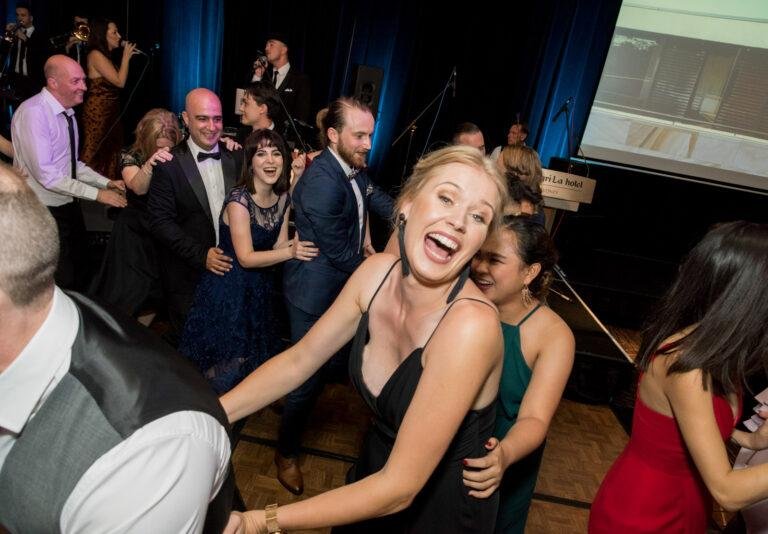
Corporate events may last only a few hours, yet the visual material created during them can support a business for months. Conferences, networking sessions, awards nights, product launches, seminars, and executive gatherings all create moments that communicate expertise, culture, leadership, and audience engagement. Professional event photography turns those moments into reusable assets that continue working after attendees leave.
For organisations investing in events, photography should be part of the wider marketing and communication strategy rather than a simple record of what happened. Strong images can strengthen websites, social media, recruitment campaigns, media releases, sponsorship reports, proposals, and future event promotions. When long-term use is considered from the beginning, event photography becomes a lasting content resource.
Corporate Event Photography Extends the Life of an Event
The immediate purpose of event photography is documentation, but its value increases when images are planned for future use. A complete gallery can show speakers presenting, employees collaborating, guests networking, sponsors participating, and audiences responding naturally. These images help organisations tell a fuller story about the event and its outcomes.
Marketing teams can use selected photographs in recap articles, newsletters, LinkedIn posts, press releases, and website updates. The same material may also support presentations and proposals that demonstrate professional credibility and industry involvement.
Event Images Support Ongoing Social Media Content
Corporate events often generate more visual content than can be used immediately. This gives businesses an opportunity to distribute photography across several weeks rather than publishing everything at once.
A keynote photograph may support a thought leadership post. A networking image can accompany a partnership announcement. A team photograph may strengthen recruitment content, while an audience reaction can support promotion for a future event.
This approach helps companies maintain a steady flow of original material without continually arranging new photography sessions.
When event photography follows the organisation's broader visual style, the final images can reinforce brand consistency. Lighting, composition, backgrounds, signage, and candid interactions all influence how a business is perceived.
Companies can also coordinate event coverage with other photography needs. Businesses arranging corporate headshots ascot may want executive portraits, speaker images, and networking photographs to share a consistent tone across LinkedIn, websites, and marketing materials.
Strong Event Photography Builds Trust and Professional Credibility
People often judge an organisation by the way it presents its people, events, and working environment. Clear, natural photography can show that a company is active, established, connected, and confident within its industry.
Images of speakers addressing engaged audiences can reinforce authority. Photographs of employees interacting with clients can communicate approachability. Branded event details can demonstrate professionalism without depending on promotional claims.
Photography Can Strengthen Future Event Promotion
One of the most valuable long-term uses of event photography is promoting the next event. Potential attendees often want to understand the atmosphere before registering. Images from previous conferences can show room size, audience participation, networking opportunities, speaker activity, and production standards.
A strong archive reduces the need to create promotional visuals from scratch and gives future campaigns greater authenticity.
Event Photography Supports Public Relations and Media Coverage
Media releases become more useful when accompanied by clear, publication-ready photography. Editors and journalists may need images that identify speakers, executives, award recipients, or important moments without extensive explanation.
A professional photographer can capture wide contextual images and tighter portraits, giving communication teams more flexibility. Vertical and horizontal compositions also make photographs easier to adapt for different publications and digital layouts.
HERO SHOT Headshot Photography can help businesses think beyond simple documentation by creating images suitable for multiple professional uses. This approach gives marketing and communication teams more options after the event.
Executive and Speaker Images Have Long-Term Value
Corporate events frequently bring senior leaders, industry experts, clients, and guest speakers together in one place. This creates opportunities to capture images that remain useful after the event.
An executive speaking image can support leadership profiles, annual reports, media interviews, conference biographies, and internal communication. Similar photographs can complement Executive headshots Ascot when organisations want a broader range of professional imagery beyond traditional portraits.
Corporate Event Photography Supports Recruitment and Employer Branding
Events often reveal company culture more naturally than staged workplace scenes. Employees may be collaborating, presenting ideas, celebrating achievements, welcoming guests, or participating in professional development.
These moments can support careers pages, recruitment campaigns, employee stories, and internal communication. Candidates gain a clearer view of how people interact within the organisation.
For growing companies, authentic event images can be particularly useful because they show culture in action. They can also complement employee portraits and corporate headshots ascot by creating a richer visual picture of the people behind the business.
Event Photography Creates More Value From Existing Budgets
Businesses already invest in venues, catering, speakers, staging, branding, technology, and staff time. Photography helps preserve that investment by turning temporary activities into reusable content.
Without professional coverage, important moments disappear once the event finishes. Smartphone images may capture memories, but they often lack consistency, composition, resolution, or flexibility for professional marketing.
A photography brief can identify important images before the event begins. These may include speakers, networking, branded details, team interactions, venue scenes, audience engagement, awards, sponsors, and portraits. Capturing a balanced mix makes the final gallery useful across departments.
Image Libraries Reduce Future Content Pressure
Marketing teams regularly need fresh visual material for websites, campaigns, presentations, newsletters, social media, and internal documents. A well-photographed corporate event can provide many relevant assets from one occasion.
Organising photographs by subject, people, and intended use helps teams retrieve them later. Appropriate file naming, usage permissions, and image formats also make long-term management easier.
Planning Event Photography for Long-Term Use
The strongest results usually come from planning beyond the event schedule. Before photography begins, organisers should consider where images may appear afterward and which moments carry the greatest communication value.
Marketing teams may need horizontal images for website banners, vertical photographs for social platforms, portraits for media use, and wider scenes for reports. Human resources teams may want employee interactions, while event managers may prioritise sponsors, speakers, and audience participation.
Businesses combining event coverage with executive headshots Ascot can plan styling, backgrounds, lighting, and scheduling so different visual assets work together instead of appearing unrelated.
Create a Clear Photography Brief
A useful brief should identify priority moments, key people, branding requirements, sensitive areas, and preferred image styles. It should also note whether particular guests require formal portraits or whether sponsors expect specific deliverables.
Conclusion
Corporate event photography continues delivering value after an event ends because it turns temporary experiences into flexible business assets. Images can support social media, public relations, recruitment, websites, future event promotion, leadership communication, sponsorship reporting, and sales material.
The greatest return comes when photography is planned for reuse from the beginning. By identifying future content needs, capturing a varied image library, and maintaining visual consistency, organisations can extend the impact of every conference, launch, awards night, or corporate gathering.
HERO SHOT Headshot Photography provides professional photography that can support broader business communication while helping organisations build a more consistent visual presence across channels.

 English
 Arabic
 French
 Spanish
 Portuguese
 Deutsch
 Turkish
 Dutch
Dutch
 Italiano
 Romaian
 Portuguese (Brazil)
 Greek
Greek