
A Complete Guide to the Tools and Technology Used by Modern Garage Door Specialists

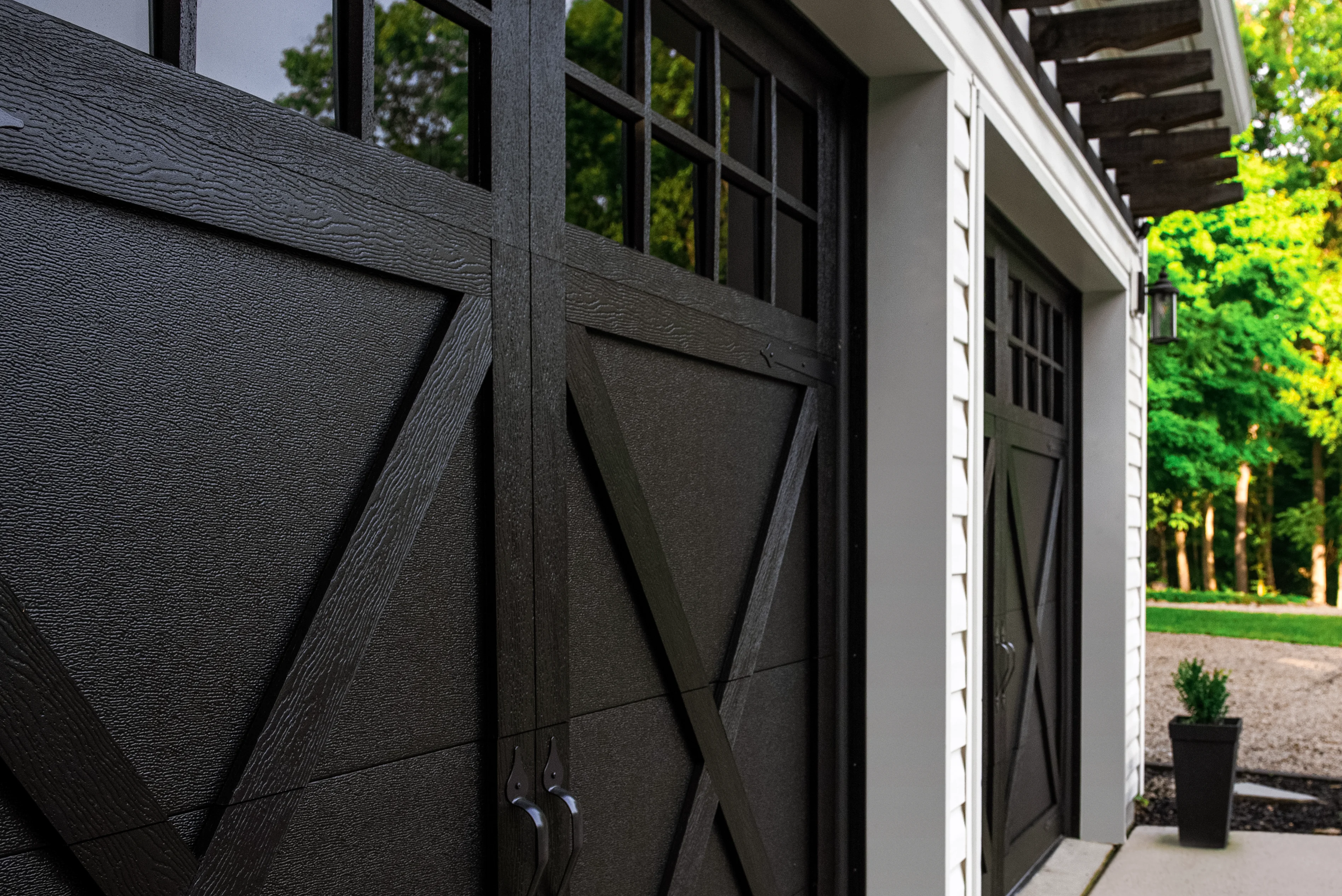
Modern garage doors combine mechanical hardware, electrical controls, safety systems, and increasingly connected technology, making professional service more specialized than it may appear. Technicians work with springs, cables, rollers, tracks, openers, sensors, remotes, and structural components that must operate together correctly. The right tools help professionals inspect these parts accurately, complete repairs safely, and identify problems that may not be visible during a basic inspection. Garage Door Specialists also use diagnostic methods that allow them to determine whether a problem comes from one component or from several related issues. Understanding the equipment used by today's professionals can help homeowners appreciate the value of qualified garage door service.
Why Specialized Garage Door Tools Matter
Garage door systems contain heavy components and parts that may operate under substantial tension, so ordinary household tools are not always appropriate for professional repairs. Technicians may use specialized hand tools, measuring equipment, alignment tools, spring-handling equipment, and electrical testing devices depending on the problem. Using the correct tool helps reduce the likelihood of damaging hardware or making an inaccurate adjustment. Professional technicians also understand how different garage door designs require different procedures and equipment. This combination of specialized tools and practical training allows repairs to be performed more methodically and safely.
A tool is only as useful as the person operating it, which is why professional experience remains essential. Two garage doors may look similar but have different spring configurations, opener systems, track arrangements, or hardware specifications. A technician must first identify the system before selecting the appropriate equipment and repair method. Guessing can result in incorrect adjustments, premature component wear, or additional damage. Experienced Garage Door Specialists evaluate the complete system and use tools according to the specific requirements of the door.
Specialized equipment also helps technicians perform inspections that go beyond what homeowners can easily see. A door may appear functional while having worn bearings, developing cable damage, poor balance, or an opener that is working harder than normal. Professional inspection tools and measurement techniques can help reveal these conditions. Detecting such problems early may allow homeowners to address them before a complete failure occurs. This makes professional tools useful not only for emergency repairs but also for preventive maintenance.
Tools Used to Inspect Garage Door Components
One of the most important parts of professional service is a thorough visual and mechanical inspection. Technicians commonly examine springs, cables, rollers, hinges, brackets, tracks, drums, bearings, and fasteners before deciding what repair is required. Measuring tools can help determine dimensions, alignment, clearances, and component specifications. These measurements are useful when selecting compatible replacement parts. Accurate identification reduces the possibility of installing components that do not match the door's requirements.
Levels and alignment equipment can be particularly useful when diagnosing track and door-position problems. Garage door tracks need to maintain appropriate positioning so that rollers can travel smoothly. Even a relatively small alignment problem can contribute to friction, vibration, or uneven movement. A technician can use suitable measuring and alignment tools to determine whether the tracks are positioned correctly. If adjustment is required, the professional can evaluate the surrounding hardware before making changes.
Technicians may also inspect hardware that is difficult for homeowners to evaluate safely. Brackets, mounting points, cables, drums, and spring assemblies can all affect the operation of a garage door. A loose or damaged component may create symptoms that appear to originate somewhere else. Professional inspection allows the technician to trace the relationship between different parts. This systematic approach can help avoid replacing a functioning component simply because it happens to be associated with the visible symptom.
Spring Repair Tools and Equipment
Garage door springs require particular care because they help counterbalance the weight of the door and can store considerable mechanical energy. Professional technicians use specialized spring-handling tools designed for the specific spring system being serviced. These tools allow qualified professionals to perform necessary adjustments or replacement procedures while maintaining appropriate control over the components. The exact equipment and procedure depend on whether the door uses torsion springs, extension springs, or another configuration. Because spring work can be hazardous, homeowners should not attempt to imitate professional procedures with improvised tools.
People researching broken garage door springs raleigh nc should understand why professional spring equipment matters. A broken spring can make a garage door unusually heavy and may prevent normal operation. Replacing the spring involves more than choosing a visually similar component because the correct spring must correspond with the door's weight, dimensions, configuration, and operating requirements. A qualified technician can evaluate these factors before selecting a replacement. Professional equipment and training help ensure that the spring is handled and installed according to the requirements of the system.
Spring work may also involve inspecting related cables, drums, bearings, brackets, and other hardware. A spring failure can expose weaknesses in connected components that might otherwise go unnoticed. Garage Door Specialists can examine these parts while performing the primary repair and determine whether additional work is necessary. This complete inspection can be valuable because simply replacing a broken spring may not address other conditions affecting door performance. Professional service focuses on restoring the operation of the entire lifting mechanism.
Electrical Testing and Garage Door Opener Diagnostics
Modern garage door openers contain electrical and mechanical components that require different diagnostic approaches. A malfunctioning opener may have an issue involving power supply, wiring, circuit components, drive mechanisms, limit settings, sensors, or the motor. Technicians may use electrical testing equipment to determine whether power and signals are reaching the appropriate components. This helps distinguish electrical faults from mechanical problems. Accurate diagnosis can prevent homeowners from replacing an entire opener when a smaller repair may be sufficient.
Safety sensors are another important part of opener diagnostics. These sensors are designed to detect obstacles and help prevent the door from closing under unsafe conditions. If sensors become misaligned, dirty, damaged, or disconnected, the opener may refuse to close the door or reverse unexpectedly. A technician can inspect sensor positioning, wiring, indicator behavior, and the door's overall operation. Testing the complete system is important because a sensor symptom may sometimes occur alongside a separate mechanical problem.
Modern openers may also provide diagnostic indicators that help technicians identify certain faults. Depending on the model, lights, displays, error patterns, or other signals may provide information about the condition of the opener. Professionals can combine these indicators with physical inspection and testing rather than relying on the code alone. This approach can improve diagnostic accuracy and reduce unnecessary component replacement. Homeowners benefit when a technician explains what the diagnostic information means and why a particular repair is being recommended.
Digital Technology and Smart Garage Door Systems
Smart technology has changed the way some homeowners interact with their garage doors. Modern systems may connect to smartphones, home automation platforms, wireless networks, or other connected devices. Depending on the equipment, users may be able to monitor door status, receive notifications, operate the door remotely, or manage access permissions. Garage Door Specialists who work with these systems need to understand both the mechanical equipment and the connected technology. Proper setup requires attention to compatibility, configuration, and reliable communication between devices.
Smart garage door technology can also provide useful information about system operation. Some connected systems may record activity or notify homeowners when the door has been opened or left open. This can improve convenience and provide an additional level of awareness for households. However, connectivity does not eliminate the need for physical maintenance. A smart opener can still experience worn gears, damaged springs, track problems, or sensor issues. Technology works best when it is combined with appropriate mechanical inspection and maintenance.
Professionals can also help homeowners determine whether an existing garage door system can support smart functionality. Compatibility may depend on the opener model, control system, sensors, and available connectivity options. Instead of purchasing equipment without checking the existing setup, homeowners can ask a qualified technician to evaluate the system. This can help prevent compatibility problems and unnecessary purchases. Professional guidance is particularly useful when integrating a garage door into a broader home automation setup.
Tools for Measuring Door Balance and Performance
Door balance is an important factor in reliable garage door operation. A properly functioning spring system helps offset the door's weight so that the opener can move it without excessive strain. Technicians can assess how the door behaves during movement and may use appropriate measuring or testing methods to evaluate balance and travel. If the door is too heavy, uneven, or difficult to operate, the cause may involve springs, cables, rollers, tracks, or other components. Identifying the cause requires an understanding of how the entire lifting system works.
Performance testing can also help identify friction or resistance. A door that moves slowly or makes unusual sounds may have mechanical components that are worn, damaged, or poorly aligned. A technician can observe the movement through different portions of the opening cycle and identify where the problem appears. This information can help narrow down the source of the issue. Rather than replacing multiple parts without confirmation, professional diagnosis allows repairs to be targeted toward the components that actually need attention.
Garage Door Specialists may also inspect opener force and travel settings when appropriate. These settings affect how the automatic opener controls the door, although they should not be used to compensate for serious mechanical problems. If a door requires excessive force because of a broken spring or damaged track, adjusting the opener alone may conceal the underlying issue. A professional can determine whether mechanical repair should occur before opener settings are changed. This protects the system from unnecessary stress and helps preserve reliable operation.
Technology Used for Maintenance and Preventive Service
Modern garage door service is not limited to emergency repairs. Preventive maintenance allows technicians to identify wear before it develops into a major breakdown. During a maintenance visit, professionals may inspect moving hardware, springs, cables, rollers, hinges, tracks, bearings, openers, and safety systems. Appropriate lubrication can also be applied to components that require it, using products suitable for the particular application. Regular maintenance can help reduce friction and identify parts that may need attention before they fail completely.
Documentation can also improve the quality of ongoing garage door maintenance. A professional company may record information about the door, components replaced, repairs completed, or recommendations for future service. Keeping track of maintenance history can help homeowners understand how frequently the system requires attention. It can also provide useful information when evaluating recurring problems. A consistent service record gives technicians more context when diagnosing future issues.
Preventive inspections are especially useful for doors that experience frequent daily operation. Every opening and closing cycle contributes to normal component wear, although the rate varies according to the equipment and conditions. Early warning signs such as unusual sounds, uneven movement, vibration, or changes in operating speed should not be ignored. A professional can determine whether these symptoms indicate normal wear or a developing mechanical problem. Addressing issues before complete failure can improve convenience and potentially reduce the scope of future repairs.
How Modern Tools Improve Repair Accuracy
The main advantage of professional tools and technology is not simply speed but accuracy. Correct measurements, electrical testing, alignment checks, and component-specific equipment allow technicians to make decisions based on the actual condition of the system. This reduces reliance on assumptions and can help prevent unnecessary replacement of functioning components. Accurate diagnosis is especially valuable when multiple symptoms appear at the same time. A professional can evaluate the relationship between those symptoms before recommending a solution.
Technology also helps technicians communicate findings more clearly with homeowners. A professional can explain which component has failed, what evidence supports the diagnosis, and what repair options are available. When homeowners understand why a particular part needs attention, they can make more informed decisions about maintenance or replacement. Transparent communication is an important part of trustworthy service. It also supports a better understanding of the difference between an essential repair and an optional improvement.
Modern equipment does not eliminate the importance of hands-on expertise. Garage doors remain mechanical systems that require practical judgment and experience. Digital diagnostics may provide useful information, but a technician still needs to interpret that information in the context of the physical condition of the door. The best results come from combining technology with professional knowledge. This combination allows Garage Door Specialists to provide more comprehensive service than relying on either traditional tools or digital systems alone.
Choosing Garage Door Specialists for Safe and Reliable Service
When hiring a garage door professional, homeowners should look for relevant experience, appropriate training, transparent estimates, and a clear commitment to safe work practices. Ask whether the technician regularly handles your type of door, spring configuration, and opener system. It is also useful to ask how the technician diagnoses problems before replacing components. A professional should be able to explain the recommended repair in straightforward terms. This helps homeowners evaluate service based on expertise and value rather than price alone.
For homeowners dealing with broken garage door springs raleigh nc, professional assistance is particularly important because spring systems require specialized handling. A qualified technician can inspect the complete lifting mechanism, identify the appropriate replacement, and evaluate connected components for signs of wear. The repair should not be approached as an ordinary household maintenance task. Specialized tools, correct procedures, and knowledge of the particular garage door system all contribute to safer service. Homeowners should prioritize technician competence and responsible work practices when selecting a provider.
Ultimately, the tools and technology used by today's Garage Door Specialists allow professionals to inspect, diagnose, repair, and maintain increasingly sophisticated garage door systems. From spring-handling equipment and alignment tools to electrical testers and smart opener diagnostics, each tool serves a specific purpose within the repair process. The technology becomes most valuable when it is combined with practical experience, careful inspection, and sound professional judgment. Homeowners who invest in qualified service can better protect their garage door's performance, safety, and longevity. Regular maintenance and timely professional diagnosis can also help turn advanced tools and technology into meaningful long-term benefits for the entire garage door system.

 English
 Arabic
 French
 Spanish
 Deutsch
 Turkish
 Dutch
Dutch
 Italiano
 Russian
 Romaian
 Portuguese (Brazil)
 Greek
Greek