English
 Arabic
 French
 Spanish
 Portuguese
 Deutsch
 Turkish
 Dutch
Dutch
 Italiano
 Russian
 Romaian
 Portuguese (Brazil)
 Greek
Greek

Why You Should Go for Professional Voice Over Services for Regional Ad Shoots?
Film |
2026-02-05 06:31:50
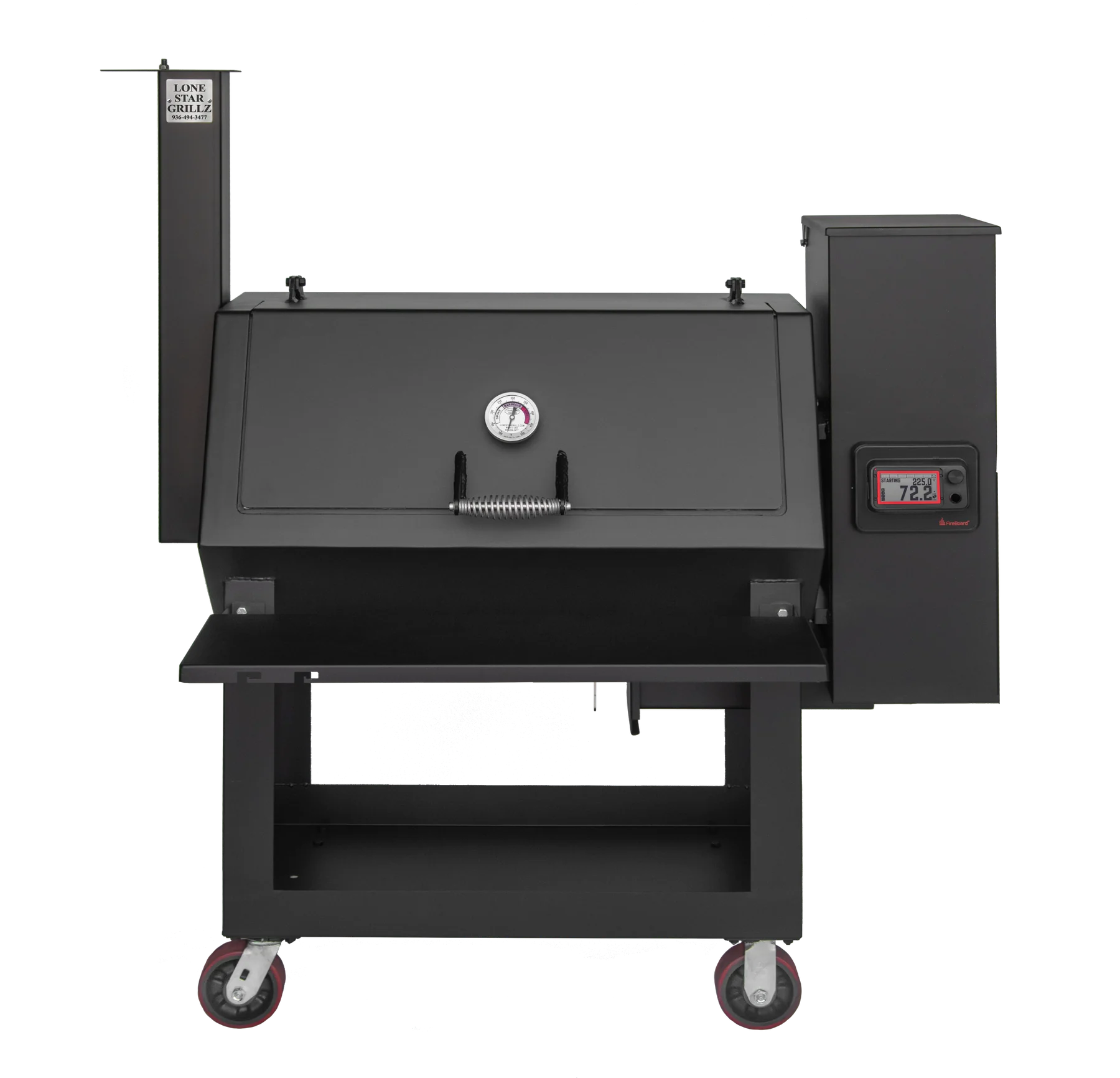
A vertical offset smoker might be worth exploring if barbecue matters to you. Not just keeping the classic touch of old-school models, it stands tall to save room without sacrificing smoke quality. Efficiency climbs while space shrinks. Real flavor stays front and center. Cooking more at once becomes possible without losing control.
Standing tall, one kind of smoker keeps its cooking space upright while tucking the firebox off to the side. Heat and flavor begin in that separate box, creeping slowly into the taller section. Inside, layers of grates hold food as wisps of smoke twist upward through them.
Heat moves upward on its own in tall smokers, so every rack gets the same amount of warmth. Because of this flow, big batches of meat cook at an even pace without losing taste.
Fire burning slow beside the cook box gives food that deep smoke touch many like. Instead of flame under the meat, warmth moves gentle across, carrying scent of wood along with it. This setup keeps things steady, avoiding sharp spikes in temperature. Flavor comes through clear, not masked by sudden charring or ash. Separate chambers mean control stays simple, even during long cooks. Smoke travels soft into where the meat waits, building depth piece by piece.
Stacking things upward leaves more room elsewhere. Because it stands tall, there are several levels inside that hold separate foods side by side. Meals come together faster when everything fits at once. Big get-togethers benefit since bigger amounts can be ready without waiting.
Above ground smoke cookers give more precision with heat levels. Since they have movable air openings, staying at one temperature becomes easier during long cooks. Their design helps balance oxygen flow, which keeps flames even without constant watching.
When choosing a vertical offset smoker, consider the following features:
What makes the outcome both steady and tasty lies in how these traits work. A solid result comes from their influence, shaping flavor every time.
Fans push warmth upward, wrapping around whatever sits inside. This flow cuts down cold spots that often ruin meals when cooking tall dishes.
Less fuel needed here. These upright offset smokers hold steady heat over hours, using fewer resources than their wider cousins.
Smoke these units handle all kinds of food. Brisket might sit above chicken while fish rests below, each on its own level. Racks stack inside so one meal runs several dishes side by side. Flavors stay separate even when heat links them. Different heights keep things from blending where they should not.
Off to one side, vertical offset smokers handle slow, gentle cooking just right — perfect when you want BBQ that’s soft inside with plenty of moisture. Heat comes indirectly, so the meat warms bit by bit, improving how it feels and how it tastes.
A backyard cook might find these tall, narrow smokers fit just right where space is tight. Not only do they burn steady, giving meat that deep smoke taste, their layout makes checking on food easier than bending over a long box.
Getting the hang of it takes time, particularly with fire and air flow. Still, once things click — temperature, smoke, timing — the payoff shows on the plate. Master those, home cooking matches what you’d get downtown.
To make your vertical offset smoker work better, remember a few things. Start by checking the airflow regularly — this helps control temperature. Fuel choice matters too; different woods change how food tastes. Position the meat so smoke flows evenly around it. Clean the chamber after each cook for consistent results. Watch the weather when outside — it affects burn rates. Small tweaks often lead to big improvements
Fresh air in the kitchen changes how meals come together. A steady pace keeps flavors calm instead of rushed. Hands move better when tools sit close by. Mistakes fade when you start clean. Quiet moments before beginning shape what follows later.
Smoked meals come out rich when using a vertical offset unit — perfect for those who love deep taste without wasting room. This setup fits plenty of meat even in tight spots, yet still gives that old-school barbecue character everyone craves.
Cooking for just a few or feeding a crowd? This smoker handles it all without missing a beat. When the moment comes to boost your backyard setup, think about how a vertical offset model might fit right in.
1. One type stacks parts up and down, while the other spreads them side to side. Placement changes how smoke moves through each design. Heat source location shapes cooking behavior differently in both styles.
Packed tight, vertical smokers stack their racks high, yet still squeeze into small spots. A different beast altogether, horizontal ones spread out wide, built like old-school pits where tradition matters more than size.
2. Are vertical offset smokers good for beginners?
Starting out is possible, though getting the hang of heat and air flow takes time.
3. What fuel is best for vertical offset smokers?
Fires fed by wood give a deep smoke taste, while charcoal adds its own sharp note. Some prefer one, others mix both for richer depth. Smoke curls through meat slow, building flavor over hours. Each fuel burns different, shaping how food tastes in the end.
4. How long does it take to smoke meat?
Pulling off a good meal often takes time, especially when it comes to meat — some kinds need just a few hours, others more, depending on what you are using. Slower heat usually works best, letting flavors deepen while the fibers relax into tenderness.