


Common Tiny House Regulations That Surprise New Builders
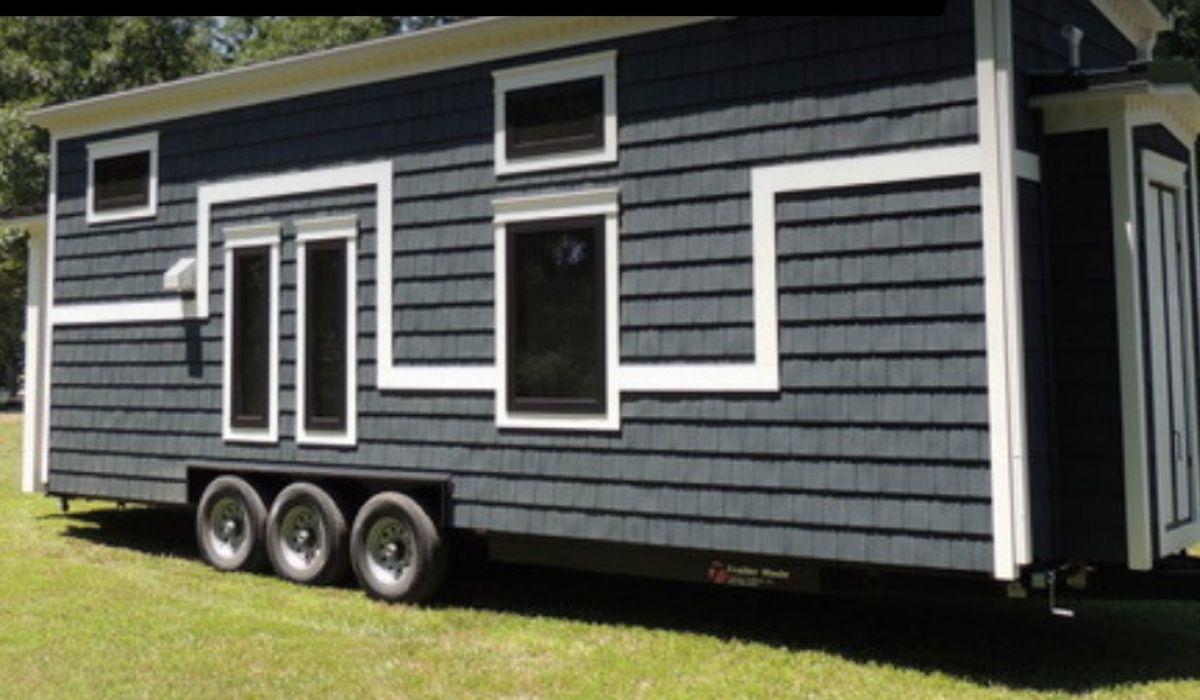
It's fun to build or buy a tiny house. Many people who want to live in a tiny house are surprised by something less exciting: tiny house regulations. They start by picking out imaginative plans and looking for the appropriate tiny house for sale. These rules, which change from state to state and even city to city, might decide where you can park, how you can build, and if your dream small home will be legal.
We'll talk about the most typical tiny house rules that startle new builders and buyers in this piece. If you learn these rules early on, you can save time, money, and stress.
Why the Rules for Tiny Houses Are Important
People like tiny homes because they are cheap, provide you independence, and are good for the environment. But unlike regular residences, they don't always fit under the rules for housing. Tiny house rules are vital since:
- They make sure that safety standards are met.
- They tell you where you can park or construct.
- They change the alternatives for finance and insurance.
These guidelines aren't just paperwork for anyone thinking about buying or building a tiny house. They are the basis for living legally and comfortably.
Zoning rules that can be stringent
parking limits
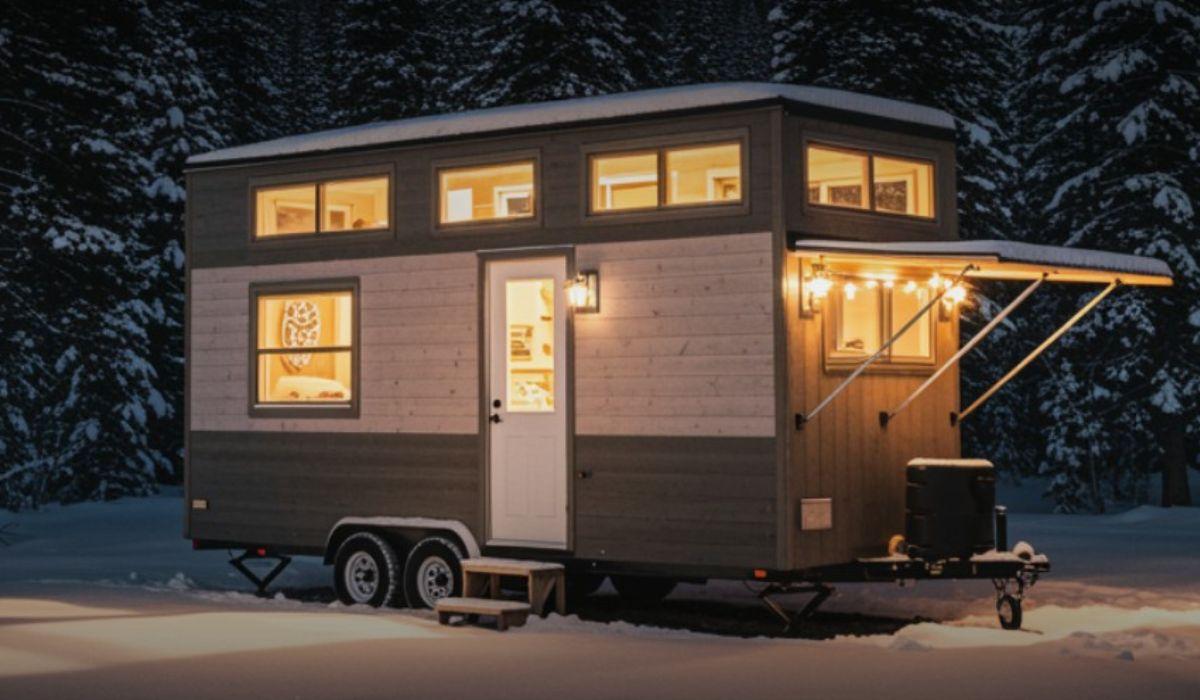
Parking is one of the biggest shocks. A lot of places don't let tiny homes on wheels park outside of RV parks or other authorized areas all the time. If you thought you could easily put your new house on a friend's land, zoning restrictions might state you can't.
Minimum Square Footage Needs
Some cities require homes to be a certain size, which can be as big as 800 square feet. Because most tiny homes are between 200 and 400 square feet, it can be hard to build legally in some areas.
Building codes you didn't know
Standards for ceiling height
A lot of builders are surprised to find out that tiny house rules say how high the ceilings must be. For example, bathrooms and lofts have different rules than living rooms, which may need at least 6 feet 8 inches.
Stairs and Ladders
Codes can also be severe when it comes to getting to the loft. A lot of tiny homes employ ladders to save room, however certain laws say that steps must be used for safety reasons. This could affect your layout a lot.
Connections for utilities
Local codes will tell you exactly how to connect your small home to city water, electricity, or sewage if you want to do that. These requirements can quickly add costs that weren't planned for.
Rules for Tiny Homes on Wheels
The rules for mobile tiny homes are even more strict. They might not be seen as permanent homes because they are often called RVs. That means:
- You might not be able to live in them all the time.
- They can't usually be put on residential lots.
- You might need to get your car inspected and certified before you can drive it.
A lot of people are surprised to learn that a tiny house for sale can only be used as a primary residence in certain places.
Placement of property and use of land
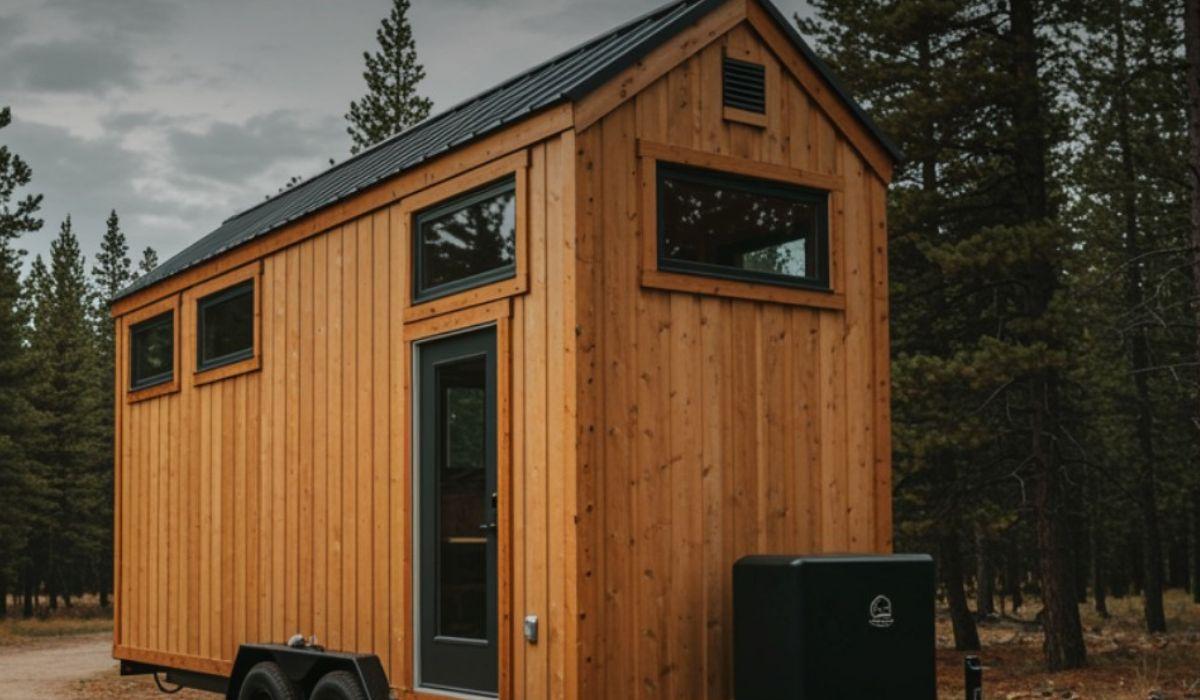
You can't always put a tiny house for sale. Land-use rules may limit:
- The number of homes that can be built on a lot.
- If accessory dwelling units (ADUs) are allowed.
- The need for special permits for different kinds of buildings.
Before buying a house or making an offer on a tiny house for sale, you should check these things.
Financial Surprises Tied to Regulations
Insurance Challenges
Many insurance companies don't want to cover tiny houses because the rules for them are so different. People might think that homes that don't follow building codes or zoning laws are very risky.
Limits on financing
Getting a traditional mortgage for a tiny home that isn't a standard home can be hard. This is why a lot of buyers either pay in cash or look for specialized loans.
How to Follow the Rules for Tiny Houses
Here are some useful tips to avoid expensive surprises:
- Look up local laws Early: Check the zoning and building codes in your area before you buy land or a small house.
- Get Help From Tiny House Experts: If you hire builders who know the rules for tiny houses, they can help you get the right permits and inspections.
- Look into Certified Models: It might be easier to get insurance and park legally if your home meets RVIA or ANSI standards.
- Look for Communities: Some areas are building tiny house communities where the rules are already good for tiny homes.
Last Thoughts
Tiny homes promise independence, simplicity, and low prices, but only if you can figure out how to follow all the rules that come with them. If you want to build from scratch or buy a tiny house, it's important to know the rules ahead of time.
The good news is that more and more states and localities are getting used to the idea of living in a tiny house. You can make your small house idea a legal, livable reality by doing your research and making plans ahead of time.

 English
 Arabic
 French
 Spanish
 Portuguese
 Deutsch
 Turkish
 Dutch
Dutch
 Italiano
 Romaian
 Portuguese (Brazil)
 Greek
Greek