


Who was the indian captain in the 2011 World Cup?
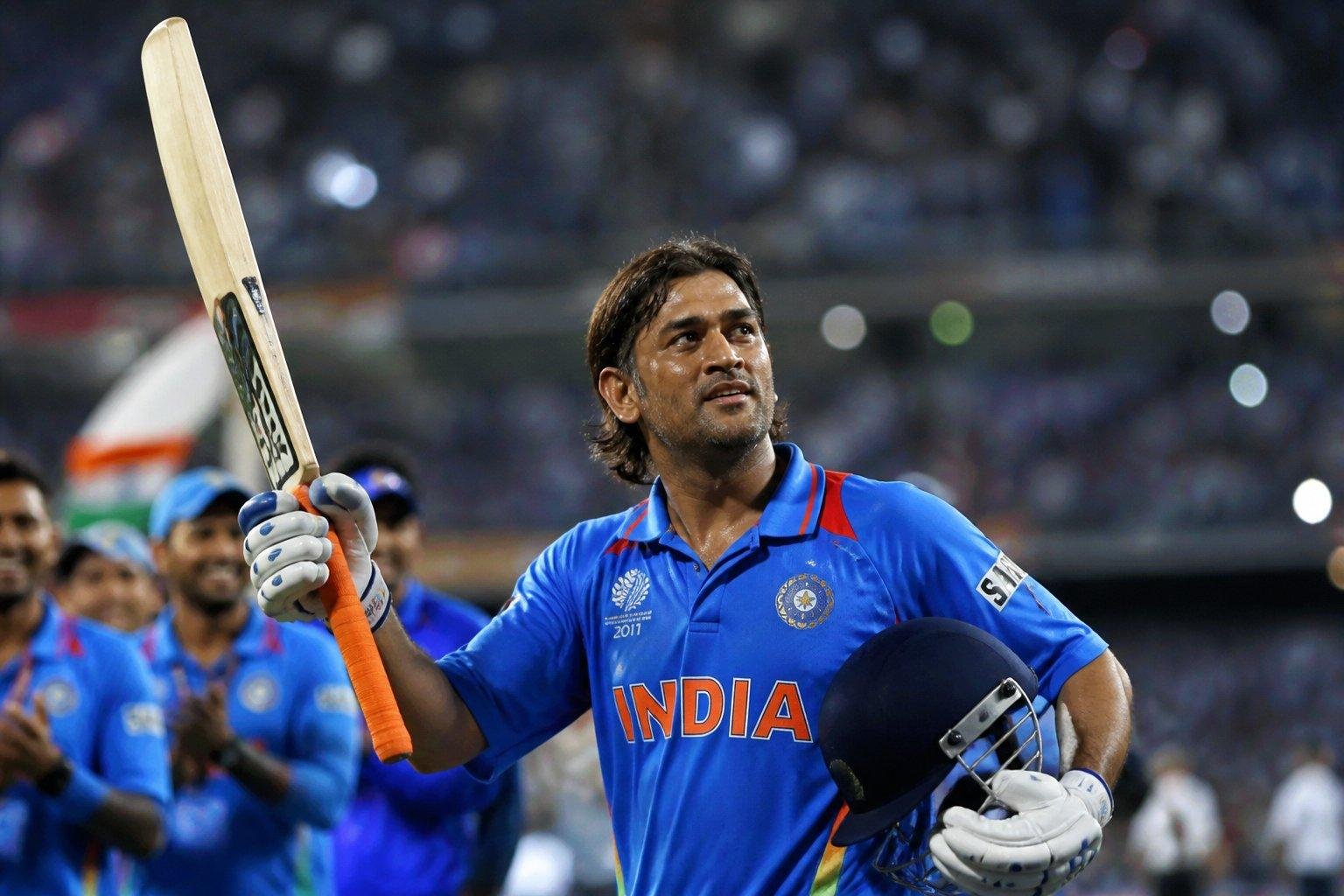
The Man Who Led India to Glory in 2011
If you were anywhere near a television on the night of April 2, 2011, you probably remember the noise. Fireworks, car horns, strangers hugging in the streets — India had just won the Cricket World Cup for the first time in 28 years. And standing at the crease when the winning six sailed into the Mumbai night sky was the man who had captained the team through the entire tournament: Mahendra Singh Dhoni.
A Captain Who Didn't Look Like a Captain
Dhoni's rise to the top job in Indian cricket was never the obvious story. He came from Ranchi, a small city that wasn't exactly known as a cricketing hotbed, and he didn't have the pedigree of some of his teammates who'd grown up in cricket academies with famous surnames attached. What he did have was an unshakeable calm. Teammates and journalists alike often struggled to read his emotions, whether India was cruising to victory or staring down a collapse. That composure became his signature, and it's a big part of why he was trusted to lead the team in the biggest tournament of all.
By 2011, Dhoni had already been captaining India across formats for a few years. He'd led the team to the inaugural T20 World Cup title in 2007, a win that surprised a lot of people and put him firmly on the leadership map. He'd also guided India to the number one Test ranking in the world. So when the 50-over World Cup rolled around, hosted jointly by India, Sri Lanka, and Bangladesh, there was genuine belief that this could be India's tournament — and Dhoni was the man entrusted to make it happen.
The Weight of Expectation
It's hard to overstate how much pressure Indian cricketers carry during a home World Cup. Cricket isn't just a sport in India, it's closer to a religion, and captaining the national side during a tournament played on home soil means living under a level of scrutiny most athletes never experience. Every team selection, every batting order decision, every bowling change gets picked apart by millions of fans and pundits.
Dhoni handled that scrutiny in his own understated way. He rarely got drawn into public arguments or reacted to criticism in the media. Instead, he let his decisions on the field do the talking, even when those decisions raised eyebrows.
The Final That Changed Everything
The final against Sri Lanka in Mumbai is where Dhoni's captaincy is remembered most vividly. Sri Lanka had posted a competitive total, and India's chase got off to a shaky start after early wickets fell. At that point, in-form batsman Yuvraj Singh was next in the batting order and many expected him to walk out. Instead, Dhoni promoted himself up the order ahead of Yuvraj.
It was a bold, almost counterintuitive move to make on the sport's biggest stage. Dhoni's reasoning, as he explained afterward, came down to matchups — he felt he was better suited to handle Sri Lanka's spinners at that stage of the innings than Yuvraj was. It was a decision that could have easily blown up in his face and become the defining mistake of his captaincy. Instead, he played one of the most memorable innings in World Cup history, finishing unbeaten and sealing the win with a six over long-on that has been replayed countless times since.
Leading From the Front
What made that final innings so fitting is that it captured exactly how Dhoni approached leadership throughout the tournament. He wasn't a captain who simply set fields and made bowling changes from a safe distance. He put himself in difficult positions and trusted his own instincts, even when the safer option was sitting right there.
Throughout the World Cup, Dhoni also showed a knack for managing a dressing room full of big personalities and even bigger reputations. The 2011 squad had Sachin Tendulkar, playing what many assumed would be his last World Cup, along with the likes of Virender Sehwag, Gautam Gambhir, and Zaheer Khan. Managing a team with that many senior players, each with their own standing in the game, requires a certain kind of quiet authority. Dhoni had it.
A Legacy Beyond the Trophy
Winning the World Cup didn't just secure Dhoni's place in Indian cricket history, it changed how people talked about him as a leader. Before 2011, he was already respected. After 2011, he became something closer to a folk hero. The image of him hoisting the trophy, in his own reserved way, became one of the defining images of Indian sport in the 21st century.
It's worth remembering too that this wasn't a case of one great captain carrying an average team. India's 2011 squad was stacked with talent, and Dhoni's real skill was getting the best out of that talent at the right moments. He knew when to let senior players take charge and when to trust the newer names in the squad. That balance, between authority and trust, is something a lot of captains talk about but few actually pull off.
Why This Still Matters Today
Cricket fans love debating who the greatest captains in the sport's history are, and Dhoni's name comes up in almost every version of that conversation. Part of that is the trophy count, sure. But a bigger part is how he won things. Calm under pressure, willing to make unconventional calls, and never one to seek the spotlight even when he deserved it.
If you ask cricket fans in India today who the captain was in 2011, you'll get an instant answer, often followed by a story about where they were watching that final. That's the kind of mark Dhoni left. Not just as the man in charge of the team, but as someone whose leadership style became inseparable from one of the most celebrated nights in Indian sporting history.
So the next time someone brings up the 2011 World Cup, you'll know exactly who was steering the ship — and probably have a pretty good story to tell about that final over as well.

 English
 Arabic
 French
 Spanish
 Portuguese
 Deutsch
 Turkish
 Italiano
 Russian
 Romaian
 Portuguese (Brazil)
 Greek
Greek