


Stress Coaching: How to Recognize Stress Before It Takes Over — And What Actually Works
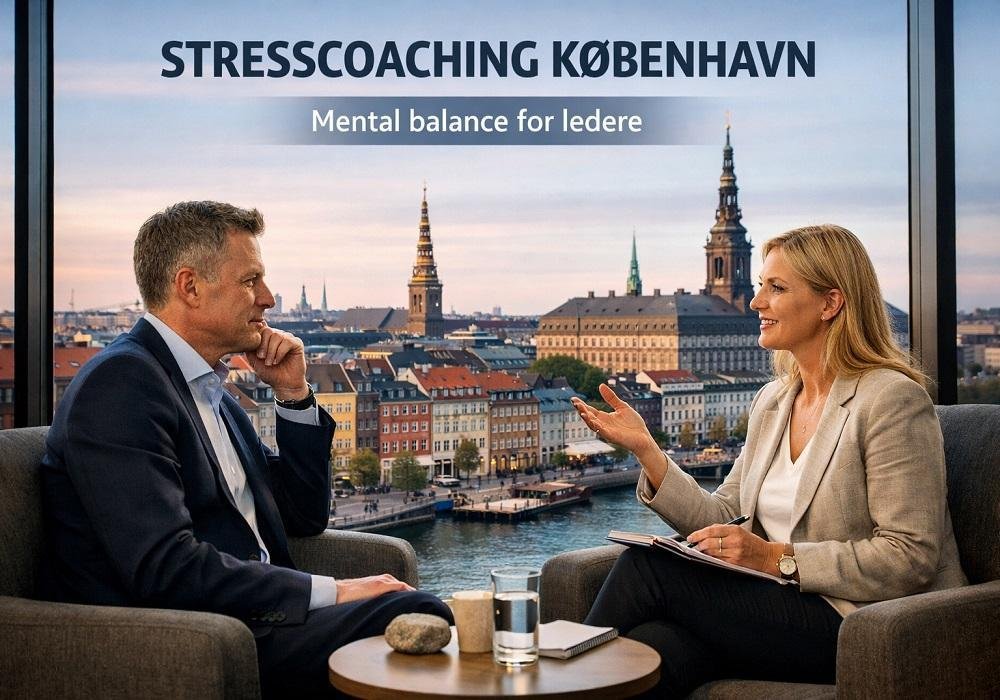
Your heart races a little faster than it should. You forget things you'd never normally forget. Even small decisions suddenly feel overwhelming. If that sounds familiar, you're not alone — and it isn't a personal failing. It's your body sending a warning signal.
This guide breaks down the 9 most common signs of stress, explains why stress actually develops, and walks through how a structured stress coaching program can help you return to calm and clarity — often faster than you'd expect.
This article draws on insights from over 15 years and 10,000+ one-on-one coaching sessions working directly with clients recovering from stress, burnout, and stress-related anxiety.
What Is Stress Coaching?
Stress coaching is a targeted, individually tailored program that combines coaching, professional guidance, and nervous-system-based techniques to help you move out of a stress state and back into balance. Unlike traditional talk therapy, stress coaching is action-oriented: you receive concrete tools and exercises that regulate your nervous system, while working together to uncover the underlying patterns that led to the overload in the first place.
The goal isn't just short-term symptom relief — it's lasting change to the habits, thought patterns, and life strategies that created the overload to begin with.
9 Signs You May Be Dealing With Stress
Stress rarely appears overnight. It builds gradually until the body and mind can no longer keep up. If you recognize 2–3 of the signs below, it's worth taking seriously:
- Tension headaches and pain in the neck or shoulders — the body's physical response to constant tension.
- Difficulty concentrating and memory lapses — the brain prioritizes survival over detail.
- Trouble making even simple decisions — a classic sign of an overloaded nervous system.
- Rising worry or unexplained anxiety — even about ordinary, everyday problems.
- Feeling drained of energy and genuine joy — nothing feels meaningful anymore.
- Inner restlessness and a faster or harder heartbeat — the body is in a constant state of alert.
- Increased irritability and a shorter fuse — patience runs out because resources are depleted.
- Racing thoughts that circle without resolution — the brain can't let go of problems, even when you try.
- Reduced desire for social contact — social withdrawal is often one of the last and clearest signals.
Worth knowing: Long-term, untreated stress can lead to serious physical and psychological consequences. The earlier you address it, the faster and easier it is to restore balance.
Why Does Stress Actually Happen?
Most people think of stress as something that "hits" us out of nowhere — like a bolt from the blue. That's true for acute shock, such as accidents or sudden loss. But the most common form of stress builds up gradually, through our lifestyle, habits, choices, and unconscious patterns.
That doesn't mean you've done anything wrong. Most people are simply unaware that the way they live, work, and think is the direct cause of their stress. Once you're in a stress state, you lose perspective on yourself and your life — which also means you lose the ability to see your own way out. This is exactly where professional stress coaching makes a measurable difference.
How a Good Stress Coaching Program Works: 6 Steps
A well-structured program typically moves through the following phases — and the order matters, so the nervous system isn't put under further strain along the way:
- Step 1 — Physical regulation: Concrete exercises and techniques that bring the body back to homeostasis and help the brain exit "threat mode."
- Step 2 — Insight: Understanding why you, specifically, ended up in a stress state.
- Step 3 — Beliefs and values work: Identifying the thought patterns that drove the overload.
- Step 4 — New life strategies: Building healthier habits and strategies that prevent relapse.
- Step 5 — Integration: Anchoring the new values, thoughts, and habits so they become a natural part of daily life.
- Step 6 — Reintegration plan: A concrete plan for how and at what pace you (or an employee) return to work in a sustainable way.
Stress Coaching vs. Traditional Psychological Treatment
| Stress Coaching | Traditional Psychological Treatment | |
|---|---|---|
| Focus | Action, nervous system regulation, and new habits | Primarily conversation and insight |
| Pace | Practical tools from the first session | Often a longer process before change is felt |
| Approach | Nervous system + behavior + mindset | Primarily psychological/emotional |
| Goal | Lasting return to balance and work life | Processing and understanding |
Both approaches have real value, but many people dealing with stress find that action-oriented stress coaching delivers faster, more tangible progress — precisely because it works directly with nervous system regulation, not just conversation.
When Should You Seek Help for Stress?
You don't need to wait until you're on sick leave. In fact, it's often much easier to recover from stress the earlier you act. Consider seeking professional stress coaching if you:
- Recognize 2–3 or more of the 9 signs listed above
- Have experienced these symptoms for several weeks or months
- Notice your work performance or overall sense of joy has been clearly affected
- Aren't sure how to move forward on your own
What Clients Say
"I found my way back to trusting myself and my abilities. Stress coaching was life-changing for me, and I'm deeply grateful." — Client testimonial, Project Manager
"The biggest difference after stress coaching is that I've moved away from feeling like I had to fight and survive every single day. I've become generally happier, more content, and have more energy." — Client testimonial, Communications professional
(Testimonials referenced from published client feedback; names and full quotes available on the practitioner's website for verification.)
Frequently Asked Questions About Stress Coaching
How long does a stress coaching program take? It depends on how long and how severely you've been under stress. A preventive program typically runs a minimum of 8 hours, while an intensive program — for longer-term stress or sick leave — is often recommended at 12+ hours.
Is stress coaching the same as mindfulness? No. Mindfulness may be used as one of several tools within a program, but stress coaching is a broader, structured process that also includes physical regulation, insight work, and concrete behavioral change.
Can I get stress coaching if I'm not on sick leave yet? Yes — and it's actually recommended. A preventive program can often stop things from progressing to the point of sick leave at all.
What does a stress coaching program cost? Pricing varies depending on the length and intensity of the program. Contact a stress coach directly for a quote tailored to your specific needs.
What credentials should I look for in a stress coach? Look for a coach with documented training (certified coach, psychotherapist, or trauma therapist background), a clear, structured methodology, and a track record — ideally with client testimonials or case outcomes you can verify.
Your Path Back to Calm Starts With One Step
Stress rarely resolves on its own — but with the right guidance, the right tools, and a structured method, you can move out of it for good. If you recognized several of the signs above, now is the best time to act.
Book a no-obligation conversation about stress coaching in Copenhagen and take the first step back toward balance, energy, and genuine joy in life.

 English
 Arabic
 French
 Spanish
 Portuguese
 Deutsch
 Turkish
 Dutch
Dutch
 Italiano
 Russian
 Romaian
 Greek
Greek