


How much cricket kit cost?
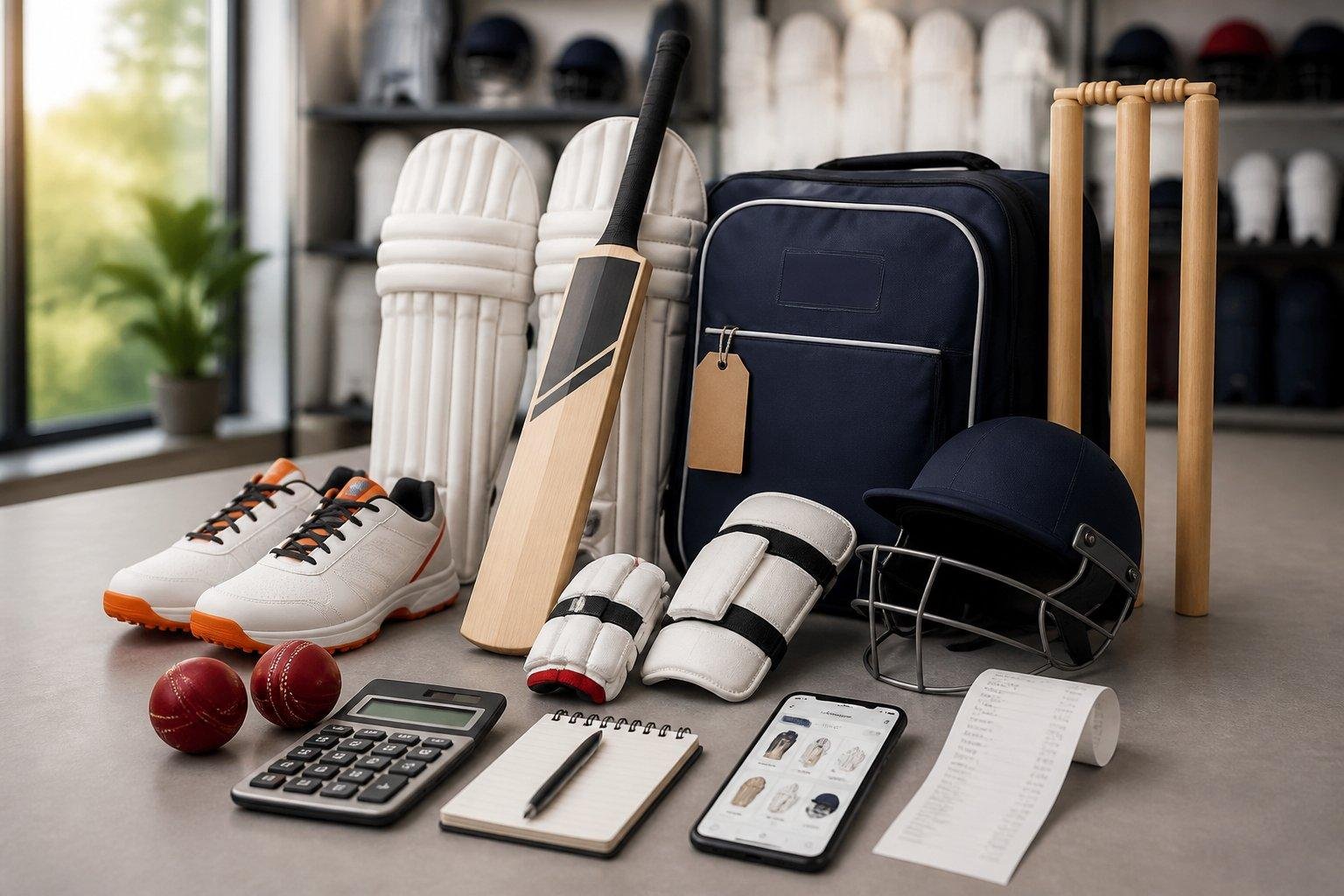
How Much Does a Cricket Kit Really Cost?
If you've ever stood in a sports store staring at a wall of bats, pads, and gloves wondering why cricket gear seems to cost as much as a small appliance, you're not alone. Cricket has a reputation for being an expensive sport to gear up for, and honestly, that reputation is earned. But the real answer to "how much does a cricket kit cost" depends heavily on who's asking and what they actually need. A ten-year-old just starting out doesn't need the same setup as a club player turning out every weekend, and neither of them needs what a professional carries in their kit bag. Let's break it down properly so you know exactly what you're paying for and where you can save.
What Actually Goes Into a Full Cricket Kit
Before talking numbers, it helps to know what you're buying. A complete cricket kit usually includes a bat, batting pads, batting gloves, a helmet, an abdominal guard (box), thigh pads, arm guards, a kit bag, and often a pair of cricket shoes or spikes. If you're also going to bowl or keep wicket, you might add wicketkeeping gloves and pads to that list. Not everyone needs every single item on day one, and that's actually the first money-saving decision you'll make. A casual batter might skip the arm guard for years, while a wicketkeeper absolutely cannot skip their gloves.
Entry-Level Kits: Getting Started Without Breaking the Bank
For someone just picking up the sport, whether it's a child joining a school team or an adult trying cricket for the first time, an entry-level kit is usually the right call. These are typically made with more basic materials, kashmir willow bats instead of english willow, synthetic padding, and simpler stitching, but they get the job done for learning the game. A full beginner kit, bat included, generally lands somewhere in the range of $80 to $200 depending on your country and brand. Buying a bundle deal from a sports retailer is often cheaper than piecing items together individually, since retailers bundle slow-moving stock at a discount. If your child is still growing, it's genuinely not worth spending big here, because they'll outgrow the pads and bat within a season or two anyway.
Mid-Range Kits: For Club and School-Level Players
Once someone commits to playing regularly, whether that's school matches, local league cricket, or serious weekend club games, it makes sense to move up to mid-range gear. This is where quality starts to matter more, better willow in the bat, proper leather stitching on protective gear, and padding that actually absorbs impact from a fast-bowled ball rather than just looking like it will. A mid-range setup usually costs between $250 and $600 for the full kit. The biggest cost swing here comes from the bat itself, since a decent English willow bat alone can run $150 to $300, while everything else, pads, gloves, helmet, and bag, might add another $200 to $300 combined. Players at this level often buy pieces gradually rather than all at once, replacing whatever wears out first, which is usually batting gloves or the bat's grip and edges.
Premium and Professional-Grade Kits
At the top end, you're looking at gear used by serious competitive players, and prices climb sharply. A single premium English willow bat from a well-known brand can cost anywhere from $300 to over $600, and that's before you've bought anything else. Professional-grade helmets with steel or titanium grilles, high-density protective padding, and premium leather gloves can push a full kit past $1,000, sometimes well past it if you're buying top-tier everything at once. Professional players, of course, don't usually pay retail; they're sponsored by brands, which is part of why gear at this level is priced the way it is. For a serious amateur wanting professional-quality equipment, expect to budget $800 to $1,500 for a genuinely high-end setup.
The Bat Is Usually the Biggest Expense
Across every price bracket, the bat tends to eat up the largest chunk of the budget, often 30 to 50 percent of total kit cost. This is because bat-making is genuinely a craft; the willow needs to be properly seasoned, pressed to the right density, and shaped so the sweet spot sits where a batter needs it. A cheap bat isn't just less durable, it can actually change how the ball comes off it, which matters a lot once you're facing quicker bowling. If you're trying to stretch your budget, spending a bit more on the bat while going basic on pads and gloves is usually a smarter trade than the reverse, since protective gear can be upgraded later without much downside.
Don't Forget the Hidden Costs
A lot of first-time buyers budget for the obvious items and get surprised by everything else. Kit bags large enough to carry a full setup aren't cheap, often $30 to $100 on their own. Cricket shoes with proper spikes for grip on grass pitches add another $50 to $150. Then there's maintenance: bats need oiling when new and periodically afterward, gloves and pads wear out and need replacing every season or two if played with regularly, and grips need changing far more often than people expect. None of these costs are huge individually, but added up over a year of regular play, they can rival the cost of the original kit.
Buying New Versus Buying Used
One thing worth mentioning honestly: buying second-hand cricket gear is genuinely common and genuinely sensible, especially for growing kids or beginners who aren't sure they'll stick with the sport. Pads, gloves, and helmets can often be found in great condition through club noticeboards, local sports marketplaces, or teammates upgrading their own kit. Bats are trickier to buy used since their performance depends on how they've been knocked in and whether they've developed cracks, so it's worth inspecting a used bat carefully or getting someone experienced to check it before you buy. A used mid-range kit can sometimes be picked up for a third of its original price, which makes trying the sport, or kitting out a growing child, far less of a financial commitment.
So, What Should You Actually Budget?
If you're just starting out, plan on $100 to $200 for a functional beginner kit, and don't feel pressure to spend more than that until you know you'll stick with the game. If you're playing club cricket regularly, $300 to $600 gets you gear that will actually last a season or two without letting you down mid-match. And if you're serious about performance and can afford it, professional-grade gear will run you well over $1,000, though that's a decision worth making only once you're confident cricket is a long-term part of your life rather than a passing interest. Whatever level you're buying for, the smartest approach is usually to spend where it counts, mainly the bat, and stay practical everywhere else until your game, and your commitment to it, grows.

 English
 Arabic
 French
 Spanish
 Portuguese
 Deutsch
 Dutch
Dutch
 Italiano
 Russian
 Romaian
 Portuguese (Brazil)
 Greek
Greek