


Key Factors to Consider Before Replacing Your Fence
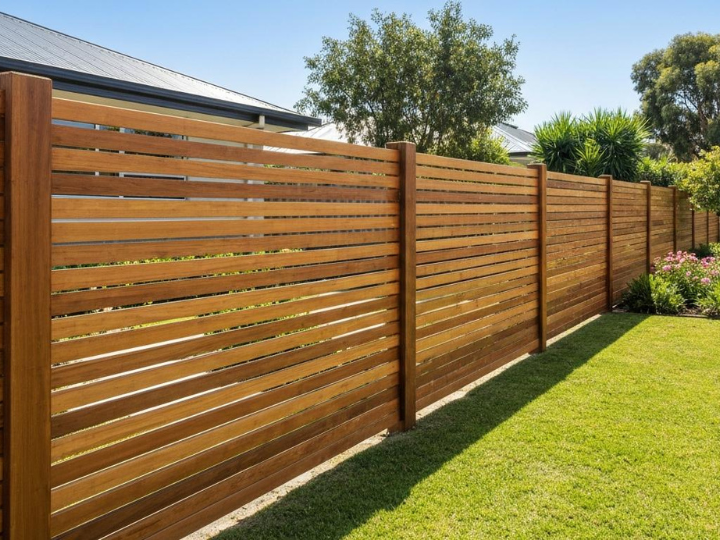
Replacing an old fence is an opportunity to improve your property's privacy, security, appearance and functionality. However, a successful fencing project requires more than choosing a style and arranging installation. Homeowners should consider the existing fence condition, property boundaries, materials, ground conditions, access and future requirements. If you are comparing fencing services near me, understanding these factors can help you prepare for a more informed conversation with a professional fencing contractor.
1. Inspect the Existing Fence
Start by examining the current fence and identifying visible signs of deterioration. Look for rotting timber, leaning posts, cracked panels, rust, loose connections and damage caused by moisture or pests.
In some cases, only particular sections may need repair. However, widespread deterioration or unstable posts may indicate that replacing the entire fence is a more practical option. A fencing professional can assess the structure and identify underlying issues that may not be obvious during a basic visual inspection.
2. Establish the Correct Boundary
The location of the existing fence should not automatically be treated as the legal property boundary. Before replacing a boundary fence, homeowners should check available property plans or obtain appropriate professional advice if the boundary position is uncertain.
This is especially important when the fence separates two neighbouring properties. Confirming the boundary beforehand can help prevent disagreements and avoid having to reposition a newly installed fence.
Where costs or responsibilities are shared, discussing the project with the neighbouring property owner before construction can also make the process easier.
3. Choose a Material That Fits Your Property
The fencing material can affect appearance, durability, maintenance and overall performance. Timber can complement traditional and landscaped properties, while metal and other modern materials can provide different aesthetic and practical benefits.
Local environmental conditions should also be considered. Moisture, intense sunlight, coastal exposure and changing weather can influence how different materials perform over time.
Rather than selecting a material based solely on appearance, consider its expected lifespan, maintenance requirements and suitability for the location.
4. Define What You Need the Fence to Achieve
Think about the main reason for installing the fence. It could be intended to provide greater privacy, improve security, contain pets, protect children, define a boundary or create a visual division within the yard.
The purpose of the fence can influence its height, spacing, design and gate configuration. A privacy fence, for example, may require different characteristics from a decorative garden boundary.
Identifying your priorities before choosing a design can help ensure the finished fence is both attractive and functional.
5. Evaluate Site Access
Access to the fence line can influence installation requirements. Narrow pathways, retaining walls, gardens, pools, sheds, driveways and other structures may make it more difficult to remove the existing fence or transport new materials.
Tell the fencing contractor about any access restrictions before work begins. This gives them an opportunity to plan material delivery, removal of old fencing and installation around the property's existing features.
Trees and established landscaping should also be identified, particularly if they are positioned close to the proposed fence line.
6. Examine Soil, Slopes and Drainage
The condition of the ground can have a major effect on fence stability. Sloping terrain, soft soil, uneven ground and poor drainage may require specific installation considerations.
Areas where water regularly collects can contribute to deterioration around fence posts. Addressing drainage issues and selecting an appropriate installation method can help support the long-term performance of the structure.
For sloping blocks, discuss whether the fence should follow the natural gradient or use a stepped design. The preferred approach may depend on the property layout and chosen fencing style.
7. Consider Future Maintenance
Before choosing a fencing material, think about how much maintenance you are willing to undertake. Different materials and finishes have different upkeep requirements.
Timber fencing, for instance, may require periodic cleaning, coating or treatment, while metal fencing may require attention to its finish depending on environmental exposure and the selected product.
Understanding these requirements in advance can help you select a fence that suits both your property's appearance and your available time for ongoing maintenance.
8. Allow for Future Property Changes
A fence should not only suit the property's current layout. Consider potential future changes such as landscaping, driveway improvements, extensions, garden structures or additional gates.
Gate placement should also be planned around how people, pets and vehicles use the property. Thinking about these requirements before installation can prevent unnecessary modifications later.
Replacing an ageing fence provides an opportunity to resolve existing structural problems while creating a boundary that better suits the property's current and future needs. By considering the fence condition, boundary location, material, purpose, access, ground conditions and maintenance requirements, homeowners can make better-informed decisions when discussing their project with fencing professionals. For anyone researching fencing services near me, careful preparation can make the replacement process more straightforward and help achieve a practical long-term result.
Frequently Asked Questions
1. What are the main signs that a fence needs replacing?
Common signs include widespread timber decay, unstable posts, leaning sections, extensive rust, broken panels and repeated repairs. A professional inspection can help determine whether repair or full replacement is more suitable.
2. Should I check my property boundary before replacing a fence?
Yes. The existing fence may not necessarily mark the exact legal boundary. Checking property information before installation can help reduce the risk of boundary disputes.
3. How do I choose the right fencing material?
Consider the property's appearance, required privacy or security, environmental exposure, expected durability and maintenance requirements. A fencing professional can explain how different materials may perform in your circumstances.
4. Does the ground affect fence installation?
Yes. Slopes, soft soil, uneven surfaces and drainage problems can all influence installation. These conditions should be assessed before posts and panels are installed.
5. What information should I give a fencing contractor?
Explain the purpose of the fence, property boundaries, access restrictions, preferred materials, gate requirements, landscaping concerns and any known drainage or ground issues. This information can help the contractor plan the project more effectively.
Bill Gibson Fencing PTY Ltd.
57 Holbeche Rd
Arndell Park NSW 2148, Australia
+61 2 9672 1465


 Arabic
 French
 Spanish
 Portuguese
 Deutsch
 Turkish
 Dutch
Dutch
 Italiano
 Russian
 Romaian
 Portuguese (Brazil)
 Greek
Greek