


Medium Density Fiberboard (MDF) Market Forecast Shows Rising Popularity In Sustainable Construction And Modular Interiors
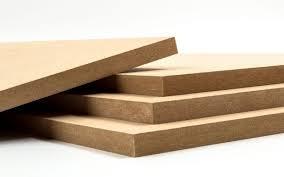
The Medium Density Fiberboard (MDF) Market is experiencing steady growth as sustainable construction and modular interior projects increasingly adopt MDF for furniture, wall panels, flooring, and decorative applications. MDF is a manufactured wood product created by compressing wood fibers with wax and resin under heat. Its smooth surface, uniform density, and durability make it suitable for residential, commercial, and industrial interiors. MDF provides manufacturers, designers, and homeowners with versatile, cost-effective, and aesthetically appealing solutions for modern construction and interior design.
Market Growth Drivers
The Medium Density Fiberboard (MDF) market is driven by urbanization, increasing construction activities, and the growing demand for modular and ready-to-assemble furniture. MDF offers a durable, affordable alternative to solid wood, providing structural stability, smooth finishes, and design flexibility. Rising consumer awareness regarding sustainability and eco-friendly materials encourages manufacturers to adopt recycled wood fibers and formaldehyde-free resins. These environmentally responsible initiatives align with regulations and drive adoption across residential, commercial, and hospitality interior projects.
Applications in Sustainable Construction and Modular Interiors
MDF is widely used in furniture manufacturing, including cabinets, tables, wardrobes, and shelving units. Its smooth surface allows painting, laminating, and intricate design customization for modular furniture and interiors. Beyond furniture, MDF is applied in flooring, wall paneling, decorative molding, and architectural interiors. Its machinability and dimensional stability make it suitable for ready-to-assemble furniture solutions. MDF’s versatility ensures relevance across residential, commercial, and hospitality sectors, supporting contemporary design trends and functional requirements.
Regional Market Insights
Asia-Pacific dominates the Medium Density Fiberboard (MDF) market due to rapid urbanization, industrialization, and growing construction activities in countries like China and India. Europe and North America follow, driven by sustainable building practices, home renovation projects, and demand for low-emission, eco-friendly MDF products. Manufacturers in these regions prioritize formaldehyde-free MDF and recycled fibers to comply with environmental standards. Regional differences in consumer preferences, regulations, and construction trends influence product innovation, adoption, and manufacturing strategies.
Technological Advancements
Technological innovations improve MDF quality, durability, and aesthetics. High-density, moisture-resistant, and fire-retardant MDF variants expand applications in kitchens, bathrooms, and commercial interiors. Automation enhances production efficiency, consistency, and cost-effectiveness, allowing MDF to compete effectively with plywood and particleboard. Advanced surface finishing technologies enable MDF to replicate natural wood grains and textures, offering both functional performance and visual appeal for modern furniture, interiors, and architectural applications.
Challenges
Despite its benefits, the MDF market faces challenges. Traditional MDF production involves formaldehyde-based resins, which can emit harmful VOCs. Low-emission alternatives exist but are costlier, limiting adoption in budget-sensitive markets. Competition from plywood, particleboard, and other engineered wood products persists. Manufacturers must focus on innovation, sustainable production, and product differentiation to maintain competitiveness and meet evolving consumer expectations.
Future Outlook
The Medium Density Fiberboard (MDF) market is expected to grow steadily. Urbanization, increasing construction activities, and the trend toward sustainable and modular interiors drive market expansion. Manufacturers are investing in high-performance, moisture-resistant, and eco-friendly MDF variants suitable for residential, commercial, and industrial applications. Sustainable production practices and low-emission materials remain critical to meet regulatory requirements and consumer demands. The growing focus on modern, customizable, and environmentally responsible interior solutions presents long-term opportunities worldwide.
Conclusion
The Medium Density Fiberboard (MDF) market continues to expand due to rising popularity in sustainable construction and modular interior projects. Applications in furniture, flooring, wall panels, and decorative interiors, combined with technological innovations and sustainable manufacturing practices, drive global demand. By focusing on versatile, durable, and eco-friendly MDF products, manufacturers can meet evolving market needs. MDF remains a key material for modern construction, interior design, and modular furniture solutions, ensuring long-term relevance and growth worldwide.

 Arabic
 French
 Spanish
 Portuguese
 Deutsch
 Turkish
 Dutch
Dutch
 Italiano
 Russian
 Romaian
 Portuguese (Brazil)
 Greek
Greek