


Understanding the Torque-to-Capacity Connection in Helical Pile Foundation Design
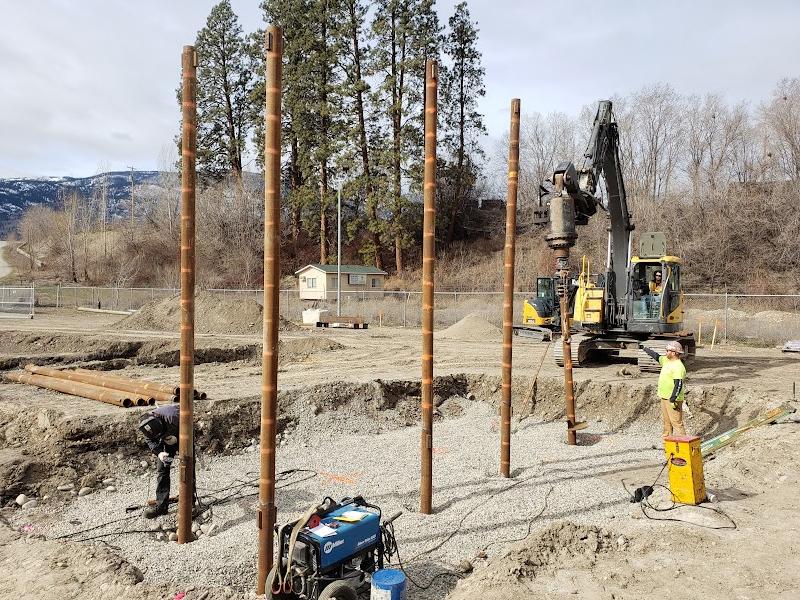
Engineers working with deep foundation systems often rely on torque measurements as an indicator of pile performance. For a helical pile foundation, the relationship between installation torque and load-bearing capacity is one of the most widely accepted and studied principles in geotechnical engineering. This correlation not only offers practical advantages during installation but also helps engineers achieve more predictable outcomes in diverse soil conditions.
Why Torque Matters in Helical Pile Foundation Installation
During installation, torque provides real-time feedback about soil resistance. As the helical pile advances, higher torque typically signals denser or more resistant soil layers, while lower torque suggests weaker soils. This torque data can then be correlated with the axial capacity of the foundation, offering engineers a reliable and immediate performance indicator. Instead of relying solely on static load tests—which can be time-consuming and expensive—the torque-to-capacity method provides a cost-effective, on-site measure of performance.
The Empirical Relationship
The torque-to-capacity correlation is based on the principle that the ultimate capacity of a helical pile foundation is proportional to the final installation torque. The most commonly cited formula is:
Q = K × T
Where:
- Q = Ultimate capacity
- K = Empirical constant (torque factor)
- T = Final installation torque
This equation is simple in form but complex in application. The value of the torque factor K varies depending on shaft size, geometry of the helices, and soil conditions. For example, smaller diameter shafts generally have lower torque factors, while larger shafts or multi-helix configurations can support higher loads per unit of torque.
Interpreting the Torque Factor
One of the challenges engineers face is establishing an accurate torque factor for a given project. Published values typically range from 8 to 12 m⁻¹, but variations exist due to local soil profiles and pile configurations. To improve accuracy, engineers often calibrate the torque factor through load testing at the start of a project. Once calibrated, the factor can be applied across multiple installations, giving reliable predictions without the need for repeated testing.
Benefits of Torque-to-Capacity Monitoring
The torque-to-capacity method offers several advantages that make it particularly valuable in modern foundation engineering:
- Real-Time Assessment – Engineers can immediately verify if the pile has reached the required design capacity.
- Efficiency – Reduces reliance on full-scale load testing, saving time and project costs.
- Safety Margin – Ensures piles are not underdesigned, especially in variable or uncertain soils.
- Quality Control – Provides a record of installation performance that can be reviewed during inspections or project audits.
Considerations for Canadian Soil Conditions
In regions with glacial tills, clay layers, or frost-susceptible soils, torque-to-capacity monitoring becomes even more critical. Variable soil deposits can cause large fluctuations in capacity predictions if torque is not carefully monitored and interpreted. In these conditions, relying on the torque-to-capacity method allows engineers to adjust in real-time, ensuring that every helical pile foundation meets the required load-bearing standards despite unpredictable subsurface conditions.
Limitations and Engineering Judgment
While torque-to-capacity correlations are valuable, they should not be applied blindly. The relationship is empirical, and factors such as installation method, equipment calibration, and soil anomalies can influence results. Experienced engineers understand that torque is a guide—not an absolute measure—and should be combined with geotechnical data and field experience. In critical applications such as commercial or infrastructure projects, supplemental load testing is often recommended to verify assumptions.
The torque-to-capacity relationship is one of the defining characteristics that sets helical pile technology apart from other foundation systems.Though not without limits, torque monitoring ensures helical pile foundations perform reliably across diverse soil conditions.
For More Information About Expert Pile Drilling Contractors and Residential Piling Services Bc Please Visit: ATLAS PILING.

 English
 Arabic
 French
 Spanish
 Portuguese
 Deutsch
 Turkish
 Dutch
Dutch
 Russian
 Romaian
 Portuguese (Brazil)
 Greek
Greek