


Frac Sand Market Price Volatility and Its Effects on Global Industry Stability
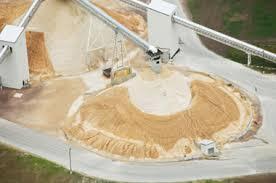
The Frac Sand Market experiences price volatility due to fluctuations in supply, demand, and energy sector activities. Price swings impact production planning, profitability, and long-term contracts for manufacturers and suppliers. Understanding the causes and effects of price volatility allows stakeholders to develop mitigation strategies, maintain operational stability, and make informed decisions that enhance resilience and competitiveness in the global frac sand industry.
Overview of Price Volatility
Price volatility in the frac sand market arises from various factors including changes in hydraulic fracturing activity, energy sector developments, and regional supply-demand imbalances. Seasonal drilling patterns, regulatory changes, and logistical constraints can also influence pricing. Manufacturers and investors must monitor these factors closely to anticipate fluctuations, manage risks, and ensure sustainable operations.
Factors Driving Price Fluctuations
Several key factors contribute to price volatility. The primary driver is hydraulic fracturing demand, which varies with oil and gas exploration levels. Production costs, including labor, energy, and environmental compliance, affect pricing strategies. Transportation and logistics expenses influence delivered costs. Additionally, regional supply imbalances, trade policies, and geopolitical factors can lead to sudden price changes that impact global market stability.
Impact on Manufacturers
Price volatility affects manufacturers’ operational planning and profitability. Unanticipated price drops can reduce margins, while sudden increases may disrupt supply contracts. Manufacturers must balance production with market prices, manage costs efficiently, and maintain flexibility in inventory and supply chain operations. Companies implementing robust risk management strategies are better equipped to navigate price fluctuations and sustain profitability.
Impact on Suppliers and Clients
Suppliers and clients are also affected by price swings. Energy companies depend on stable sand pricing for budgeting and operational planning. Sudden price changes may require renegotiation of contracts or adjustments in drilling plans. Effective communication, long-term agreements, and strategic partnerships help mitigate the impact of volatility on all stakeholders in the supply chain.
Technological and Strategic Mitigation
Technological tools and strategic planning can reduce the risks associated with price volatility. Digital monitoring, predictive analytics, and market intelligence provide insights into future price trends. Companies can optimize production schedules, adjust inventory, and implement flexible pricing strategies. Strategic diversification of supply sources and regional market focus further enhance resilience against sudden market changes.
Regional Variations
Price volatility differs across regions due to supply-demand dynamics, energy consumption patterns, and regulatory frameworks. North America, with mature shale formations, may experience moderate fluctuations compared to emerging markets in Asia-Pacific. Europe emphasizes sustainable sourcing and regulatory compliance, influencing regional pricing stability. Understanding these variations allows companies to tailor risk management strategies and optimize market operations.
Strategic Implications
Managing price volatility requires proactive risk assessment, operational flexibility, and strategic planning. Companies that monitor market trends, diversify supply, and adopt technological solutions can mitigate risks. Strategic partnerships with clients and suppliers strengthen resilience. Effective management of price fluctuations ensures stability, enhances competitiveness, and supports sustainable growth in the global frac sand market.
Future Outlook
The future of the frac sand market will continue to experience price volatility due to energy sector dynamics, global demand fluctuations, and regulatory changes. Companies that integrate predictive analytics, flexible production strategies, and regional insights will navigate volatility successfully. Proactive risk management and strategic planning will be essential for maintaining operational stability and sustaining growth in the global frac sand industry.
Conclusion
In conclusion, price volatility significantly impacts the frac sand market and global industry stability. Understanding its causes, implementing mitigation strategies, and leveraging technology help manufacturers, suppliers, and clients maintain profitability and operational efficiency. Companies that proactively manage price fluctuations, adopt flexible strategies, and monitor regional trends are well-positioned to achieve sustainable growth and long-term success in the global frac sand industry.

 English
 Arabic
 French
 Spanish
 Portuguese
 Deutsch
 Turkish
 Dutch
Dutch
 Italiano
 Russian
 Romaian
 Portuguese (Brazil)