 English
 Arabic
 French
 Spanish
 Portuguese
 Deutsch
 Turkish
 Dutch
Dutch
 Italiano
 Russian
 Romaian
 Portuguese (Brazil)
 Greek
Greek

Why You Need a Luxury Destination Wedding Planner for Your Dream Luxury Wedding Portugal
Party |
2026-02-20 07:35:27
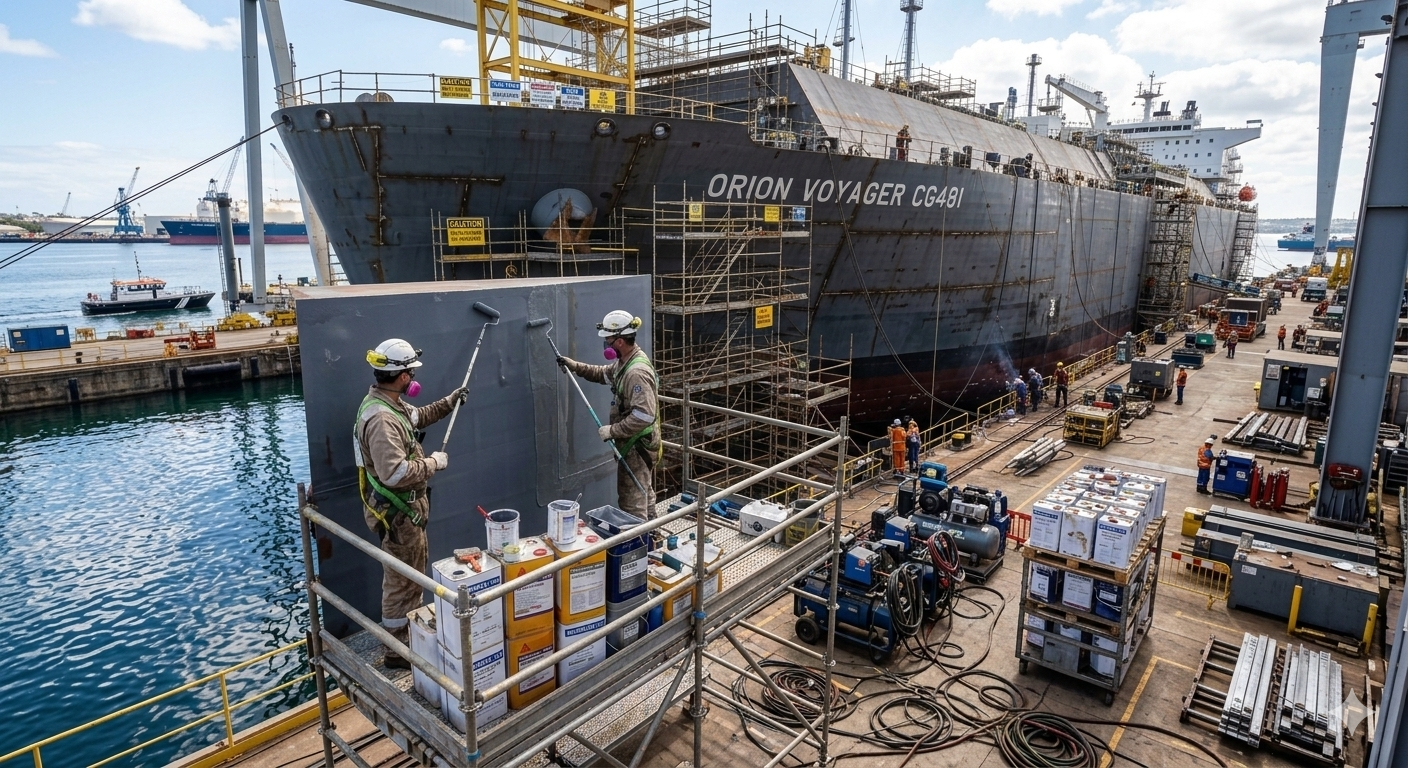
The Global Marine Adhesive Market is becoming increasingly vital as the maritime sector embraces modern materials, advanced shipbuilding methods, and innovative maintenance solutions. Marine adhesives are critical in ensuring structural integrity, corrosion resistance, and durability in vessels by bonding materials like metals, composites, and fiberglass. As shipbuilders and marine operators prioritize efficiency, safety, and sustainability, marine adhesives have emerged as indispensable tools in both commercial and recreational maritime applications.
Over the years, the marine industry has shifted from conventional mechanical fastening techniques to adhesive bonding, driven by the numerous benefits these solutions offer. Adhesives reduce the need for welding and drilling, improve structural stability, and lower maintenance costs. Additionally, they help vessels achieve lighter weight, better fuel efficiency, and enhanced longevity.
The increasing demand for recreational boating, cruise ships, and commercial shipping has fueled the adoption of high-performance bonding solutions. Today, marine adhesives are extensively used in ship hull construction, deck assembly, window and porthole sealing, and interior furnishing, underscoring their versatility and importance in modern shipbuilding.
The Global Marine Adhesive Market is projected to reach USD 515.2 million in 2025 and is expected to grow to USD 736.7 million by 2034, representing a CAGR of 4.1% from 2025 to 2034.
This growth is fueled by the rising adoption of adhesives in shipbuilding and marine repair due to their exceptional water resistance, mechanical strength, and durability. Increasing global maritime trade, expanding shipbuilding infrastructure, and a growing focus on fuel-efficient, lightweight vessels are key factors supporting market expansion.
Expansion of global maritime trade routes and port infrastructure
Rising investments in shipbuilding and naval vessel projects
Increasing recreational boating and luxury yacht ownership
Growing demand for corrosion-resistant, high-performance bonding solutions
Shift toward environmentally friendly and lightweight materials
These trends collectively indicate a robust outlook for marine adhesive demand across multiple applications in the maritime industry.
Marine adhesives are applied across various components of vessels due to their superior bonding capabilities and resistance to harsh marine environments.
Adhesives provide essential structural support for hulls and decks while preventing water ingress and corrosion, reducing reliance on mechanical fasteners.
Marine adhesives offer reliable sealing for windows and portholes, maintaining flexibility to withstand vibrations, pressure changes, and environmental stressors.
Adhesives are widely used for interior panels, furniture, flooring, and insulation, enhancing aesthetics, reducing noise, and improving vibration damping.
In repair operations, adhesives are ideal for fixing cracks, sealing joints, and reinforcing components. Quick curing times and high bond strength make them essential for emergency and routine repairs.
Marine adhesives vary based on substrate compatibility and application requirements.
Epoxy Adhesives: High-strength, durable, and resistant to moisture and chemicals; ideal for structural bonding.
Polyurethane Adhesives: Flexible and suitable for wood, metal, and fiberglass; commonly used in decks and interiors.
Silicone Adhesives: Excellent sealing performance, UV and temperature resistance; widely used for windows and waterproofing.
Acrylic Adhesives: Fast-curing adhesives ideal for bonding lightweight composites in modern shipbuilding.
The construction of commercial ships, naval vessels, and luxury yachts drives the demand for adhesives that ensure structural integrity and durability in marine environments.
Adhesives enable bonding of lightweight composites, improving vessel fuel efficiency and performance without compromising strength.
The rise in luxury yachts, pleasure boats, and marine tourism increases the need for durable, high-performance adhesives for both construction and maintenance.
Vessels require periodic repairs to maintain operational efficiency and safety. Adhesives provide reliable, time-efficient solutions for these maintenance tasks.
Regulatory Compliance: Strict environmental standards for chemical emissions can limit certain adhesive formulations.
High Raw Material Costs: Fluctuations in polymer and resin prices can impact production costs.
Harsh Marine Conditions: Adhesives must withstand saltwater, extreme temperatures, and mechanical stress, requiring advanced formulations.
Eco-Friendly Adhesives: Manufacturers are developing low-VOC, sustainable adhesives.
Hybrid Adhesive Technologies: Combining multiple adhesive types for enhanced performance and flexibility.
Automation in Shipbuilding: Demand for adhesives suitable for automated manufacturing processes is increasing.
Composite Material Adoption: Rising use of composites drives demand for specialized bonding solutions.
Manufacturers are focusing on innovation, product development, and strategic partnerships to strengthen their market presence. Key strategies include:
Developing high-performance and eco-friendly adhesives
Expanding distribution networks globally
Customizing products for specific marine applications
Investing in R&D to enhance durability and curing efficiency
Download a Complimentary PDF Sample Report:
https://dimensionmarketresearch.com/request-sample/marine-adhesive-market/
Asia Pacific is projected to hold the largest share of 46.7% by the end of 2025. The region’s dominance is fueled by major shipbuilding hubs in China, South Korea, and Japan, which feature advanced maritime infrastructures and extensive commercial fleets. The demand for marine adhesives in cargo ships, passenger vessels, and naval ships continues to rise with the expansion of regional shipyards.
North America is a significant market due to strong recreational boating activity, naval defense programs, and ongoing ship repair operations. Technological advancements in adhesives further support market growth.
Europe’s market is driven by yacht manufacturing, luxury cruise ships, and advanced marine engineering. Sustainability, lightweight vessel design, and innovative bonding solutions reinforce demand.
Growth in port expansion, offshore energy projects, and marine infrastructure drives demand for marine adhesives in this region.
Emerging demand from ship repair services, fishing industries, and regional shipping trade is gradually supporting market growth.
The Global Marine Adhesive Market is poised for steady growth as innovation in adhesive technologies and marine industry expansion continue. Emphasis on sustainability, automation in shipbuilding, and adoption of lightweight composites are expected to create significant opportunities. Adhesives will remain critical in enhancing vessel durability, efficiency, and performance over the coming decade.
1. What is the primary use of marine adhesives?
Marine adhesives are used for bonding, sealing, and repairing vessel components, including hulls, decks, windows, and interior structures.
2. Which materials can be bonded using marine adhesives?
They can bond metals, wood, fiberglass, plastics, and modern composite materials used in shipbuilding.
3. Why are adhesives preferred over traditional fasteners?
Adhesives offer uniform stress distribution, reduce corrosion risk, eliminate the need for extensive drilling/welding, and provide lightweight bonding solutions.
4. What industries are driving marine adhesive demand?
Shipbuilding, recreational boating, naval defense, and vessel repair and maintenance are the key drivers.
5. What factors influence the marine adhesive market growth?
Market growth is influenced by maritime trade expansion, rising shipbuilding activity, demand for lightweight vessels, and technological innovation in adhesives.
The Global Marine Adhesive Market is expected to expand from USD 515.2 million in 2025 to USD 736.7 million by 2034, with a CAGR of 4.1%. Adhesives are essential for hull bonding, deck assembly, sealing, and repairs due to their durability, corrosion resistance, and performance in harsh marine environments. Asia Pacific leads the market, supported by major shipbuilding nations, while North America and Europe remain significant due to recreational and defense applications. With continued technological advancements and sustainable material adoption, marine adhesives will remain a crucial component of global maritime operations.
Purchase the report for comprehensive details:
https://dimensionmarketresearch.com/checkout/marine-adhesive-market/


