


Top-Rated Upholstery Supplies for DIY Projects in the UK
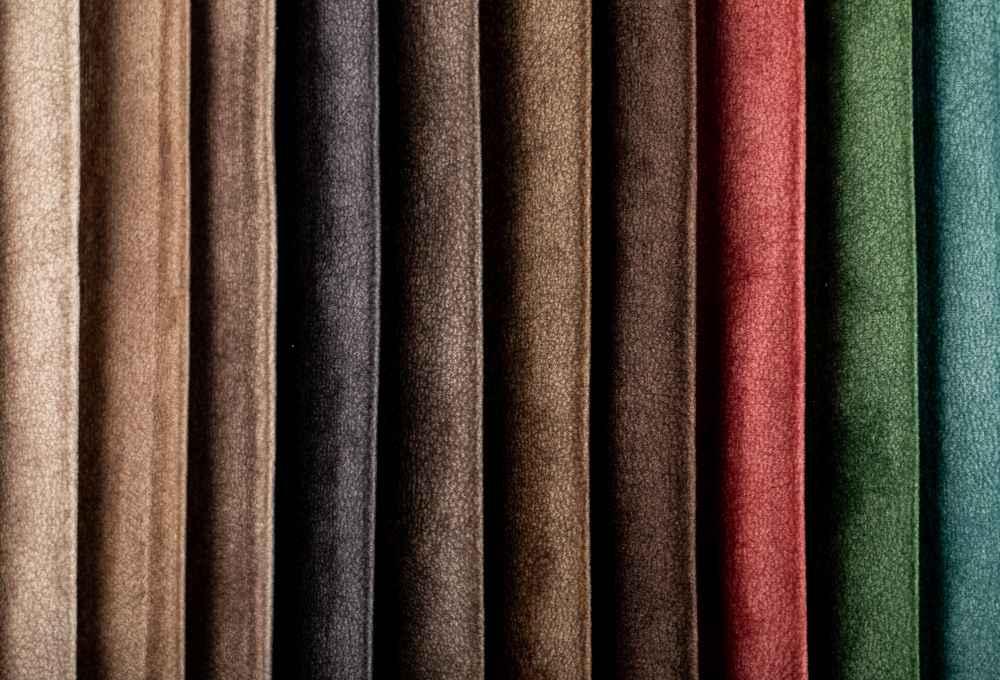
Upholstery work can seem intimidating at first, but with the right supplies, anyone can breathe new life into their old furniture. Whether you're fixing up a vintage armchair or giving your dining chairs a fresh look, having quality materials makes all the difference. The UK market offers plenty of options for DIY enthusiasts, and knowing what to look for helps you avoid costly mistakes.
Quality Upholstery Fabrics
The fabric you choose sets the tone for your entire project. When shopping for upholstery fabric, durability should be your top priority. Look for materials with a rub count of at least 15,000 for regular use furniture, and higher if it's for high-traffic areas. Velvet, linen, and cotton blends are popular choices among DIYers because they're forgiving to work with and look professional when done right.
Most UK upholstery supplies offer fabric samples for a small fee, which is money well spent. Seeing the texture and colour in your home lighting can prevent disappointment. Remember that patterns need matching at seams, so you'll need extra fabric. A general rule is to add 10-15% to your measurements for pattern matching and mistakes.
Foam and Padding Materials
Good quality foam makes the difference between a comfortable seat and one that flattens out after a few months. High-density foam works best for seat cushions, while softer foam suits backrests. The standard density for seating is around 35kg/m³, but you can go higher for firmer support.
Don't overlook the importance of wadding either. A layer of polyester wadding over your foam creates a softer feel and helps prevent the fabric from catching on the foam. Dacron wadding is particularly popular because it doesn't shift around or create lumps over time.
Essential Hand Tools
You don't need a workshop full of expensive equipment to start upholstering. A magnetic hammer is probably the most important tool you'll buy. It holds tacks in place while you work, which speeds things up considerably. A good staple gun comes next – choose one that feels comfortable in your hand since you'll be squeezing it repeatedly.
Upholstery scissors need to cut through thick fabrics cleanly. Kitchen scissors won't cut it, literally. Invest in proper shears with an 8-inch blade at minimum. You'll also need a regulator tool for tucking fabric into tight spaces and smoothing out bumps. A set of curved needles in various sizes rounds out your basic toolkit.
Webbing and Springs
Traditional upholstery relies on jute webbing to create a supportive base. While it takes practice to tension webbing properly, the results are worth it. Black and white webbing is the standard, and you'll need a webbing stretcher to get it tight enough. Some DIYers prefer elastic webbing for simpler projects because it's easier to work with.
If you're restoring older furniture, you might need replacement springs. Serpentine springs work for most modern pieces, while cone springs suit traditional deep-buttoned furniture. Spring clips and ties keep everything secure and stop annoying squeaks.
Adhesives and Finishing Products
Spray adhesive is brilliant for attaching wadding to foam without lumps. The temporary tack varieties let you reposition materials if needed. Contact adhesive works better for permanent bonds, like fixing trim or joining foam pieces together.
Upholstery tacks come in various sizes, and having a selection helps with different fabric thicknesses. Decorative nails add a professional finish to visible areas. Gimp pins are tiny tacks designed to hold braid and trim without being noticeable.
Piping and Trim Options
Piping cord creates crisp edges and adds a tailored look to cushions and furniture edges. You can buy pre-made piping or create your own using piping cord and matching fabric. Making your own takes time but ensures a perfect colour match.
Decorative braids and trims hide staples and raw edges beautifully. From simple flat braids to elaborate gimp trims, these finishing touches elevate your work from amateur to professional-looking. Measure carefully though – running out halfway through ruins the effect.
Workspace Essentials
A sturdy workbench or large table gives you space to spread out and work comfortably. Upholstery projects take up more room than you'd expect. Good lighting matters too, especially when you're working with dark fabrics or trying to match patterns.
Storage solutions keep your supplies organised and protected. Fabric should be stored flat or rolled to prevent creases. A toolbox dedicated to upholstery keeps everything in one place and makes it easy to work on projects anywhere in your home.
Budget-Friendly Alternatives
Starting out doesn't mean breaking the bank. Many suppliers sell offcuts and remnant pieces at reduced prices, perfect for learning on small projects. Second-hand tools often work just as well as new ones – check local ads and car boot sales for bargains.
Practice materials matter too. Old sheets and charity shop furniture give you a chance to learn techniques without wasting expensive supplies. Once you've mastered the basics, you'll feel confident investing in premium materials.
Conclusion
Taking on upholstery projects yourself saves money and gives you complete control over the final look. With the right supplies and a bit of patience, you can transform tired furniture into pieces you're proud to display. Start with simple projects like dining chair seats before tackling complex pieces, and don't be afraid to make mistakes – that's how you learn.
The UK has plenty of suppliers catering to DIY upholsterers at every skill level. If you're looking for a comprehensive range of materials, you might consider Yorkshire Fabric Shop, an online destination that stocks upholstery fabrics and related supplies throughout the United Kingdom. They offer everything from basic materials to specialist items that make projects easier.
Remember, the best upholstery project is one you actually finish. Buy quality supplies that inspire you to keep working, and give yourself permission to take breaks when things get frustrating. Your furniture will wait, and coming back with fresh eyes often solves problems that seemed impossible.
Frequently Asked Questions
How much fabric do I need for a dining chair?
Most standard dining chairs need about 1 to 1.5 metres of fabric, depending on the size and whether you're covering just the seat or the back as well. Measure your chair's dimensions and add at least 15cm to each side for pulling and stapling. If your fabric has a pattern, you'll need extra to match repeats across multiple chairs.
Can I use regular fabric for upholstery?
While you can technically use any fabric, regular clothing or curtain fabric won't last long on furniture. Upholstery fabric has special treatments to resist wear, stains, and fading. Using the wrong fabric means your hard work might look shabby within months, especially on frequently used pieces.
What's the easiest upholstery project for beginners?
Drop-in dining chair seats are perfect for beginners. They're small, forgiving, and you can practice without worrying about visible mistakes since the underside is hidden. Footstools and simple box cushions also make great starter projects before moving on to larger furniture pieces.
How do I know if my foam needs replacing?
Press your hand into the foam – it should spring back quickly and completely. If it leaves an impression or feels crumbly, it's time for replacement. Foam typically lasts 10-15 years depending on use, but cheaper foam degrades faster. Yellow, brittle foam definitely needs replacing.
Is upholstery cheaper than buying new furniture?
It depends on the piece and the supplies you choose. Reupholstering a quality wooden frame usually costs less than buying equivalent new furniture, especially for vintage or antique pieces. However, cheap flat-pack furniture often isn't worth the effort since the frame won't outlast new fabric. Factor in your time and whether you enjoy the process when deciding.
Also read: How to Choose the Right Wholesale Fabric Supplier UK

 English
 Arabic
 French
 Spanish
 Portuguese
 Turkish
 Dutch
Dutch
 Italiano
 Russian
 Romaian
 Portuguese (Brazil)
 Greek
Greek