 English
 Arabic
 French
 Spanish
 Portuguese
 Deutsch
 Turkish
 Dutch
Dutch
 Italiano
 Russian
 Romaian
 Portuguese (Brazil)
 Greek
Greek

The Trump Token of Distinction® – Premium Collector’s Edition
Health |
2026-02-18 12:07:39
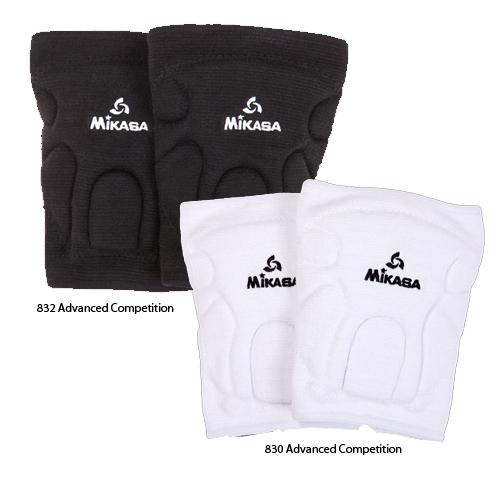
When you first start working around volleyball gear, volleyball knee pads might look like a simple accessory. Most beginners assume they’re just a piece of protective fabric athletes wear to avoid bruises. But once you spend some time around players, coaches, and equipment suppliers, you realise they play a much bigger role in performance, comfort, and even confidence on the court.
Let me explain it the way I usually explain it to someone new on their first week.
At first glance, knee pads seem straightforward — they protect the knees when players dive for the ball. That’s true, but the real reason players rely on them goes deeper.
Volleyball involves constant quick drops, dives, and slides on hard indoor courts.
Without proper cushioning, repeated impact can lead to knee strain or long-term injuries.
Good volleyball knee pads also give players the confidence to react quickly without worrying about hitting the floor.
I remember watching a young libero during a training session once. She hesitated to dive for a difficult ball because her knee pads were thin and worn out. After switching to better padding, her movement changed immediately. That small piece of gear made a noticeable difference in how aggressively she played.
When explaining knee pads to someone new, I usually highlight a few features that professionals pay attention to.
The padding absorbs the impact when players hit the court.
Too thin, and it won’t provide enough protection.
Too thick, and it can restrict movement.
Finding the right balance is important because volleyball requires both protection and flexibility.
Knee pads should feel snug without cutting off circulation.
Loose pads tend to slide down during rallies, which players hate.
One of the most common beginner mistakes is recommending a size that looks comfortable but isn’t tight enough to stay in place.
Players sweat a lot during long matches and training sessions. Quality knee pads use breathable fabric to prevent overheating and discomfort.
One mistake I see often is assuming all knee pads are basically the same. That’s rarely true.
Different players need different styles depending on their role:
Liberos and defensive specialists usually prefer thicker protection because they dive frequently.
Setters often choose lighter knee pads since they move quickly around the court.
Middle blockers sometimes want more flexibility than cushioning.
I remember a conversation with a coach who returned a batch of knee pads because the team found them bulky. The issue wasn’t the quality — the players simply needed a lighter design suited for faster movement.
A small detail that many beginners overlook is how knee pads behave after multiple washes.
Some cheaper options lose elasticity quickly. After a few weeks, they start slipping during matches.
When I first started dealing with volleyball equipment, I underestimated this issue. A player once mentioned that her knee pads kept sliding halfway through practice. After checking them, it became obvious the material had stretched out.
That moment taught me that durability matters just as much as comfort.
Watching real games teaches you more about volleyball gear than reading product descriptions.
Players are constantly:
Dropping low to dig spikes
Sliding to save balls near the floor
Landing on their knees during defensive plays
Without proper knee protection, those movements become risky. With good knee pads, players perform those actions naturally and without hesitation.
Over time, you’ll notice that players develop strong preferences for certain brands. That usually comes from experience rather than marketing.
For example, I’ve heard several players mention Elson Volley during equipment discussions. They liked how the padding stayed firm even after long practice sessions. One athlete told me her previous knee pads flattened out quickly, but the pair she tried from Elson Volley held their shape much longer.
Those kinds of real-world comments are valuable because they come directly from people using the gear week after week.
Whenever someone new joins the team, I usually pass along a few simple tips:
Always check sizing carefully before recommending knee pads.
Encourage players to test movement, not just comfort.
Remind them that knee pads should stay secure during jumping and diving.
Pay attention to fabric quality and stitching because durability matters over time.
These small checks help avoid many common problems.
After working in this field for a while, you realise volleyball equipment isn’t just about selling gear. It’s about understanding how players move, train, and compete.
Volleyball knee pads may look simple, but they influence performance, protection, and confidence during every rally.
Once you start noticing those details — how players dive, how their gear holds up, and what they actually prefer — the whole process begins to make much more sense. And that’s when you really start understanding the industry.



