


API Standards for Tanks – Setting the Global Benchmark for Safety, Quality, and Reliability
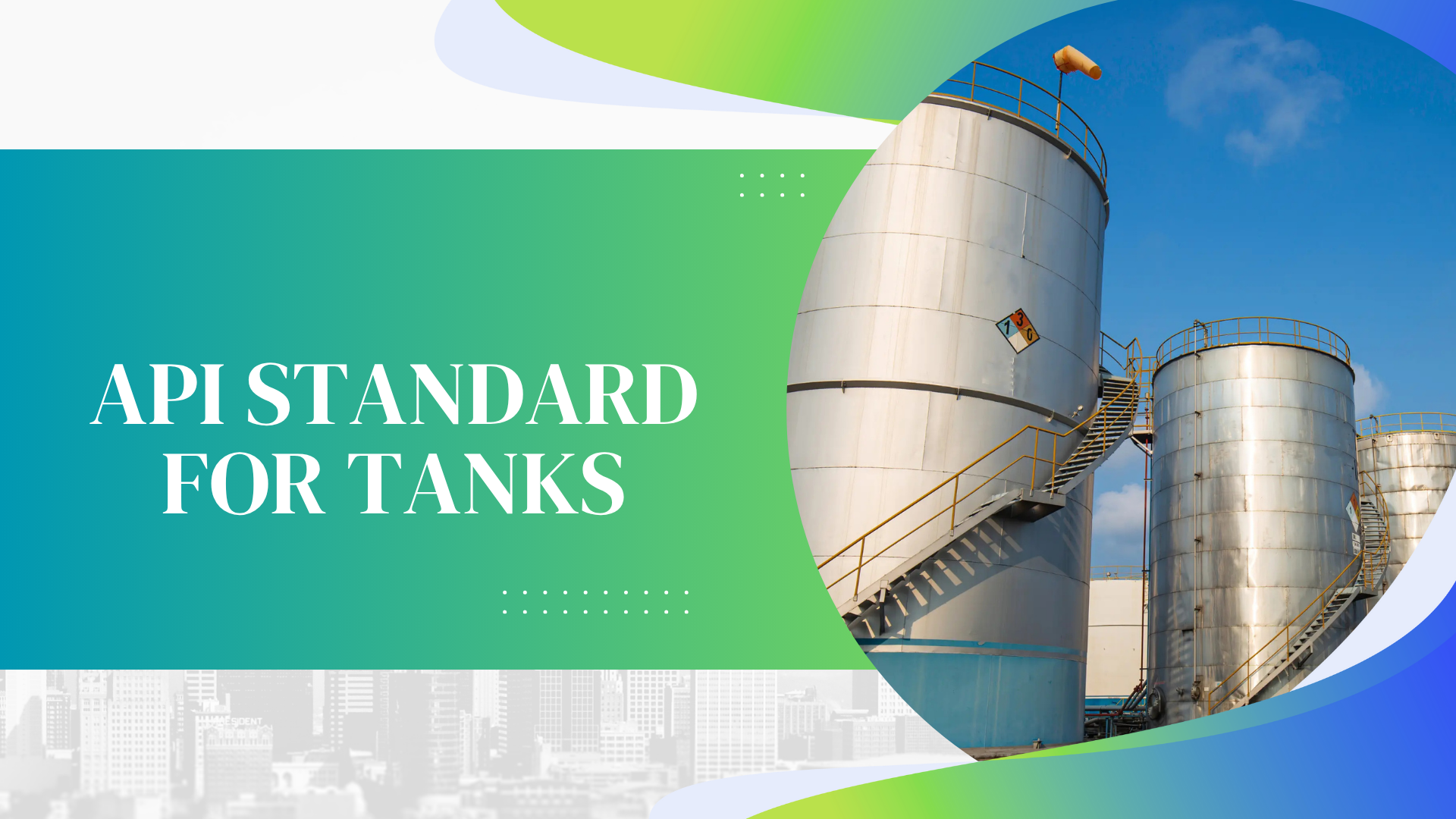
In industries that store petroleum, chemicals, water, or other hazardous liquids, safety and standardization are non-negotiable. To ensure that every storage tank meets the highest levels of structural integrity, performance, and safety, the American Petroleum Institute (API) has established globally recognized standards. These API Standards for Tanks serve as the foundation for designing, fabricating, inspecting, and maintaining aboveground and underground storage systems used worldwide.
What Are API Standards for Tanks?
The API Standards are a comprehensive set of codes developed by the American Petroleum Institute to regulate the construction and operation of storage tanks used in the oil, gas, petrochemical, and water industries. These standards ensure that tanks are designed to handle various pressures, temperatures, and environmental conditions while maintaining safety and operational efficiency.
From design to fabrication, every phase of tank construction must comply with API guidelines to guarantee structural reliability and environmental safety. Among these, API 650, API 620, and API 653 are the most widely implemented standards.
Major API Standards for Storage Tanks
1. API 650 – Welded Tanks for Oil Storage
This is the most common and widely adopted API standard. It covers the design and construction of welded steel tanks that store oil and other non-refrigerated liquids under atmospheric pressure.
a. Ideal for tanks operating at ambient temperature and low internal pressure.
b. Ensures high-quality welding, material selection, and fabrication.
c. Used in refineries, terminals, and industrial plants.
2. API 620 – Design and Construction of Large, Welded, Low-Pressure Tanks
API 620 governs the construction of large tanks that store liquids at low pressures (up to 15 psi).
a. Suitable for low-temperature liquids such as liquefied gases and cryogenic fluids.
b. Designed to withstand higher internal pressures compared to API 650 tanks.
c. Commonly used in LNG (Liquefied Natural Gas) and chemical storage facilities.
3. API 653 – Tank Inspection, Repair, Alteration, and Reconstruction
While API 650 and 620 focus on design and construction, API 653 addresses inspection, maintenance, and repair of existing storage tanks.
a. Ensures that tanks remain safe and structurally sound throughout their lifespan.
b. Defines protocols for testing, re-rating, and refurbishing old tanks.
c. Helps industries maintain compliance and prevent environmental hazards.
Industries That Rely on API-Compliant Tanks
API standard tanks are indispensable across multiple sectors, including:
a. Oil and Gas: For crude oil, fuel, and refinery storage.
b. Chemical and Petrochemical Plants: For liquid chemicals and solvents.
c. Power and Energy: For water, fuel oil, and process storage.
d. Water Treatment Facilities: For safe water and wastewater storage.
e. Agriculture and Food Processing: For edible oils, liquids, and by-products.
The Future of API Standards
As technology and environmental regulations evolve, the API continues to update its standards to incorporate new materials, design innovations, and sustainability practices. The integration of digital monitoring systems, automated inspection tools, and eco-friendly coatings has enhanced the safety and efficiency of API-compliant tanks.
These advancements ensure that API tanks will continue to set the benchmark for global safety and performance in industrial liquid storage.
Conclusion
The API Standards for Tanks are the gold standard for safety, quality, and reliability in liquid storage systems. Whether for design, construction, or maintenance, adherence to these standards ensures long-lasting performance, compliance, and peace of mind for industries worldwide.
By following API 650, 620, and 653 standards, companies not only protect their assets but also demonstrate their commitment to safety, sustainability, and operational excellence.
For any business seeking dependable storage solutions, API-standard tanks are not just an option—they are a necessity for building a safe and sustainable industrial future.

 English
 Arabic
 Spanish
 Portuguese
 Deutsch
 Turkish
 Dutch
Dutch
 Italiano
 Russian
 Romaian
 Portuguese (Brazil)
 Greek
Greek