 English
 Arabic
 French
 Spanish
 Portuguese
 Deutsch
 Turkish
 Dutch
Dutch
 Italiano
 Russian
 Romaian
 Portuguese (Brazil)
 Greek
Greek

Are flights included in 3-star Umrah deals?
Religion |
2026-02-10 10:45:56
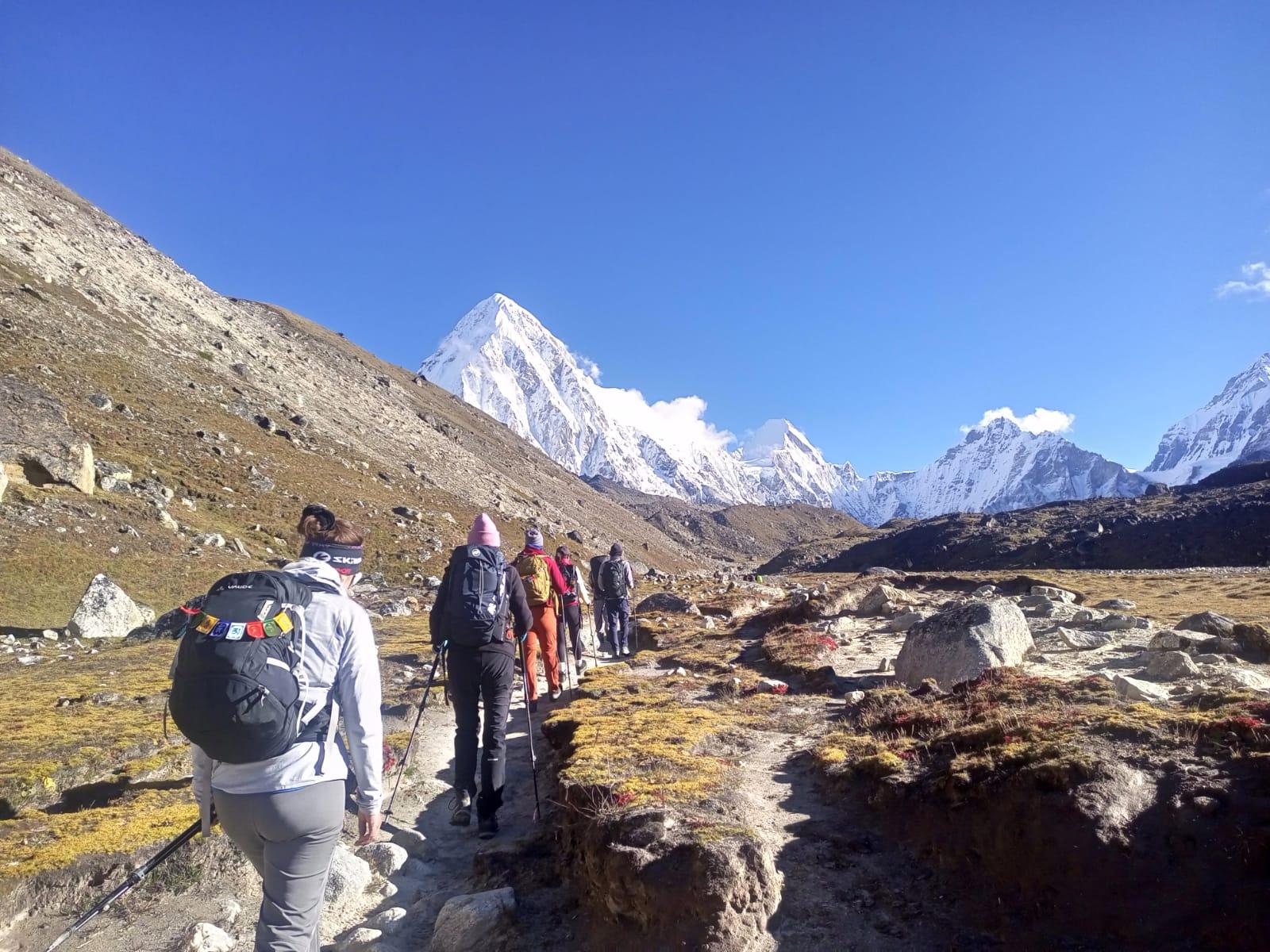
High Altitude: This is one of Nepal’s most challenging high altitude treks, and in return, hikers are treated to some of the most spectacular views surrounding remote villages and outstanding panoramic views from over three gigantic peaks that are all above 5,000m. Over 15 days, hikers traverse rough terrain at high elevation despite unpredictable weather conditions and physical exhaustion.
To survive and thrive under those conditions, you require planning, mental strength, and a good acclimatization strategy. Learning how to manage your body, mind, and gear on the route is a critical prerequisite for completing this trek in reasonable safety while relishing views over the incredible Himalayas.
At 4,000 meters, the body has difficulties in obtaining enough oxygen, resulting in fatigue, headache, and nausea. If you’re breathing hard, slow down and don’t let yourself get too hot or too cold, as more people die from mismanagement of temperature than from altitude sickness. Also, as all treks run deep into the mountain, acute mountain sickness is a real problem on the Everest Three High Pass route, especially when you are pushing your limit on this difficult trail.
The first step to survival will be learning the symptoms — dizziness, shortness of breath, and sleep disturbances. Patience and getting accustomed to it are the keys here. Trekkers who disregard these signs ignore them at their peril; learning about how altitude affects humans is a part of preparation.
Acclimatize, acclimatize, and then acclimatize some more - that's the golden rule of mountain treks. The Everest Three High Passes Trek is designed with a rest day in consideration and acclimatization to walk at the pace of the human body ascending over altitude. Following the “climb high, sleep low” maxim helps trekkers to sojourn at higher elevations during the day but rest at lower altitudes when it comes to bedtime. The same goes for proper hydration, eating well, and getting enough rest on acclimatization days to learn how to deal with decreased oxygen levels in the body.
At higher elevations, you will also need gear that is up to freezing temperatures, snow, or rain, and strong winds. However, multiple layers of clothing, padded jacket(s), firm hiking boots/shoes, and warm socks are very much necessary to keep your KS. A sleeping bag for temperatures well below freezing, trekking poles,s and a backpack that can withstand some abuse can make all the difference when it comes to comfort and safety. "PW gear quality affects your ability to gain calories and avoid hypothermia / frostbite. Packing and checking out your tools in advance of the trek is critical so you do not experience any problems whilst you’re accessible, trekking in the middle of nowhere at 4000 meters above sea level.
Energy and hydration provide the key to high-altitude survival. Over the course of the day, with the body burning calories as much as 18 to 20 percent faster at altitude than at sea level, it will require nutrient-dense meals and snacks all day long. Repeating the same traditional Nepali meal of dal bhat (rice and lentils), soups, and other high-protein edibles does help keep energy levels up.
This makes it critical to drink plenty of water, as dehydration is considerable at altitude. Alternatively, you may supplement water intake with electrolyte solutions or sports drinks to prevent fatigue. Eating on the move with just enough PowerBars to keep you trucking along is perfect for burning up long trekking hours and climbing.
Fifteen days at over 4,000 meters is as much a test of the mind as it is of the body. “Long trips and poor conditions, entering under the isolation of high-altitude passes, can all add up to motivation fatigue. Setting yourself realistic daily goals, taking time to celebrate small wins, and never losing sight of the jaw-dropping coastal views are three strategies that can help you maintain decent morale. A supportive pack or guide on your trek is a psychological cushion. By having a can-do, positive mental attitude leading up to your treks and utilizing this to strengthen your mind, you're more likely to be able to go as far as you need to go, rather than calling it quits through tiredness or demotivation.
Paying attention to how you’re feeling can make all the difference on high-altitude treks. And early symptoms of altitude sickness or frostbite can be detected before those conditions become life-threatening.” Bring a basic medical kit, and at least that should contain altitude and pain medicine.
Visiting your doctor before the trek to discuss drugs such as Acetazolamide can also give you a sweet taste of safety loaf. Also, you must have travel insurance before embarking on high-altitude trekking. It will be provided with high-altitude trekking insurance and emergency evacuation.
A high-altitude trek of challenging physical difficulty can easily be undertaken with MOD's health and safety procedures. Henceforth, the risk can be markedly lower if you plan, prepare, exercise, and take precautions for anything that happens. Your chance on this trek increased by this overall to have an amazing experience.
Rest and recovery. This aspect of the trek often goes unnoticed by people, says Smirnov, but it is necessary to survive 15 days at altitude. I get a good amount of sleep and do some light stretching, eat warm foods to help me with recovery each night.” On rest days, find ways to get active at a lower intensity, like going for short walks or sightseeing. An opportunity to recover mentally, with practices such as journaling, meditation, or even just staring at the mountain views, also builds resilience. Adopting the right type of rest days while on tour will contribute to adequate recharging, preventing an injury, and also enough time enough for your trekkers to appreciate the beautiful roughness of Everest.
Everest Three High Pass Trek (24 days) To live for 15 days over 4,000 metres on the Everest Three High Passes trek will require some fine running, splendid planning, and a tough mental attitude—advice on conquering altitude, the impact of acclimatization, and what gear you should wear.
Observation of nutrition, hydration, and general condition is also important to maintain fitness and avoid complications. Mental strength, pacing, and recovery methods all assist in the survival and enjoyment of treks. With making plans, expertise, and recognition for excessive elevation, trekkers can overcome the Everest three excessive pass Trek and make an unforgettable journey inside the coronary heart of the Himalayas.


