


How RFID Tracking is Boosting Hospital Safety and Efficiency?
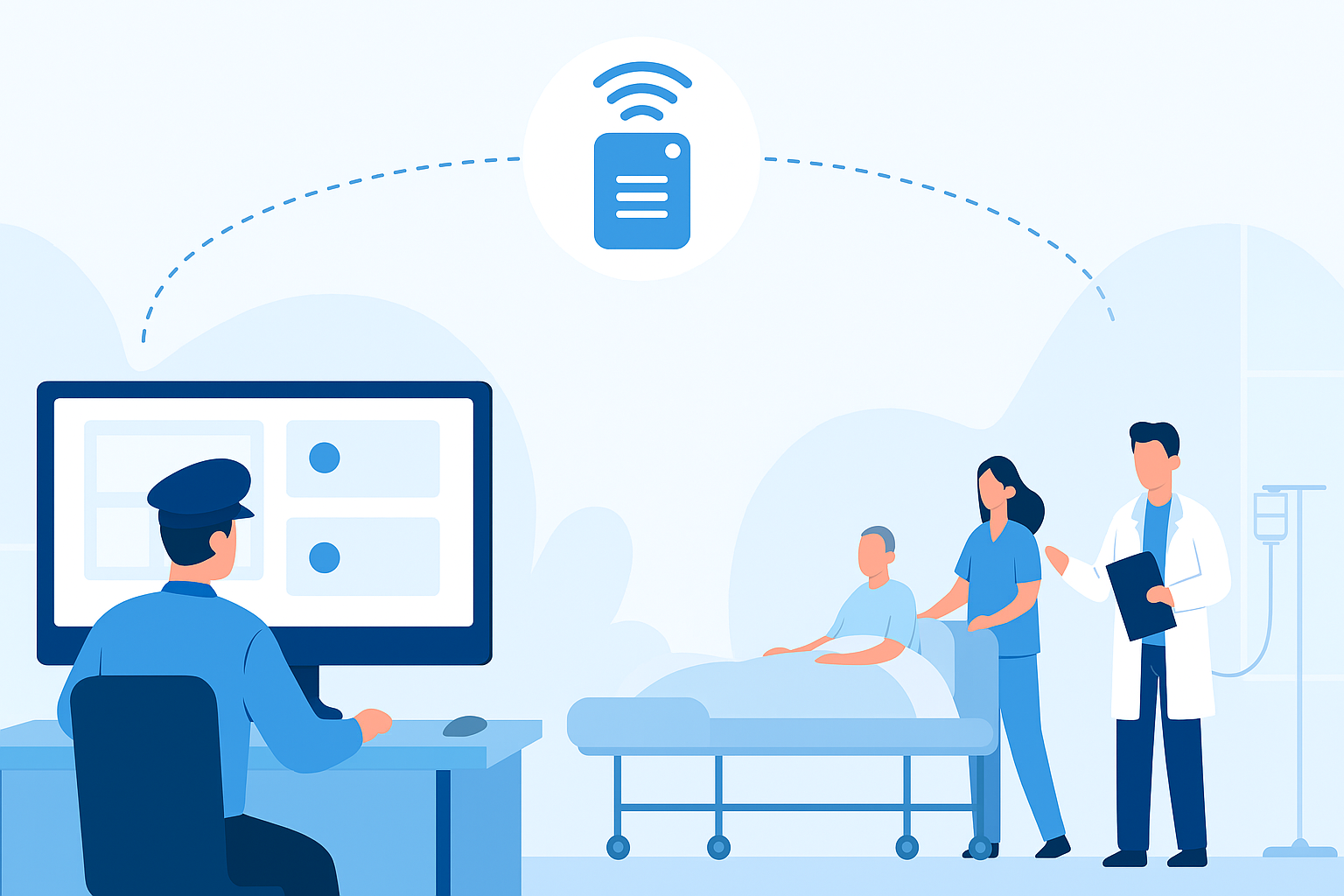
Picture this: a patient is in critical condition, and a nurse needs a specific type of infusion pump, now. The frantic search begins—checking supply closets, asking colleagues, and wasting precious minutes that could be spent on care. This stressful scenario is all too common in busy hospitals, where tracking thousands of mobile assets is a logistical nightmare. But what if a simple scan could pinpoint that exact pump in seconds?
This isn't science fiction; it's the reality of Radio-Frequency Identification (RFID) technology. This powerful tool is quietly transforming the chaos of hospital logistics into a streamlined, intelligent system.
By moving beyond clunky manual counts and unreliable barcode scans, hospitals are discovering that better inventory management isn't just about saving money—it's about saving time, reducing errors, and ultimately, improving patient safety.
So, What's the Big Deal with RFID?
At its core, RFID is simple. It uses tiny tags, each with a unique identifier, that can be attached to virtually anything—from IV poles and wheelchairs to expensive surgical tools and boxes of medication. These tags communicate via radio waves with scanners or readers. Unlike a barcode, you don't need a direct line of sight to read an RFID tag.
The Efficiency Overhaul
When you stop wasting time looking for things, everything changes. The impact on a hospital's daily operations is immediate and profound.
- No More Hide-and-Seek: The most obvious benefit is real-time location tracking. A nurse can simply look up an item on a computer or tablet and see its exact location on a hospital map. This simple change frees up countless hours for clinical staff, allowing them to focus on patients instead of playing detective.
- Inventory in Minutes, Not Days: Manual inventory counts are a massive drain on resources. Staff have to physically handle and record every single item, a process that can take days and is prone to human error. With RFID, the same task can be completed in a fraction of the time with near-perfect accuracy. A well-organized central supply can function like a sophisticated RFID warehouse tracking system, ensuring everything is accounted for.
- Smarter Stocking, Less Waste: RFID systems can automatically monitor stock levels. When a supply cart in the ER runs low on a particular dressing, the system can flag it for replenishment before it becomes an emergency. This prevents both critical stockouts and the wasteful overstocking of supplies that end up expiring on a shelf.
A Quantum Leap in Patient Safety
While efficiency is great, the most important benefit of RFID in a healthcare setting is its impact on patient safety. This is where the technology truly shines.
- Preventing Medication Errors: By placing RFID tags on medications, hospitals can create a closed-loop system. The medication is tracked from the pharmacy to the patient's bedside, where a final scan can verify it's the right drug, the right dose, and for the right patient, cross-referencing with their electronic health record.
- Ensuring Equipment is Safe and Ready: Medical equipment requires regular maintenance, cleaning, and calibration. An RFID hospital inventory management system can track usage hours and automatically flag a device when it's due for service. In the event of a manufacturer recall, the hospital can instantly locate every single affected device, removing them from circulation before they can cause harm.
- Fighting Cross-Contamination: By knowing exactly where each piece of equipment has been and when it was last sterilized, hospitals can drastically reduce the risk of hospital-acquired infections (HAIs).
Ultimately, RFID gives time back to caregivers. It removes administrative friction and logistical headaches, empowering doctors and nurses to work more effectively. When a system runs smoothly in the background, the people on the front lines are free to focus on their true purpose: providing the best possible care to their patients.

 English
 Arabic
 French
 Spanish
 Portuguese
 Deutsch
 Turkish
 Italiano
 Russian
 Romaian
 Portuguese (Brazil)
 Greek
Greek