 English
 Arabic
 French
 Spanish
 Portuguese
 Deutsch
 Turkish
 Dutch
Dutch
 Italiano
 Russian
 Romaian
 Portuguese (Brazil)
 Greek
Greek

Expert Plumbing Solutions for Every Home in Venice, FL
Other |
2026-02-17 07:57:10
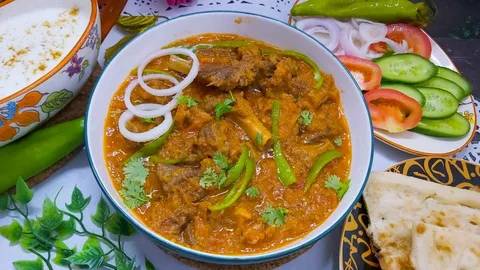
After completing your prayers at Al-Masjid an-Nabawi, few things feel more satisfying than a warm, freshly prepared meal. For many pilgrims and residents in Medina, that meal is mutton karahi in Madinah — a rich, slow-simmered dish that delivers bold flavor and comforting warmth.
But what makes mutton karahi such a popular choice after prayer? And where can you enjoy it near Haram? Let’s explore.
Because it is filling, energizing, and deeply comforting.
Long hours of walking, standing, and worship during Umrah can leave you physically drained. Mutton karahi, cooked with tender goat meat, tomatoes, ginger, garlic, and freshly ground spices, offers a nourishing balance of protein and natural fats. These nutrients support recovery and help restore energy after physically demanding rituals.
The dish is typically served hot in a traditional wok (karahi), making it especially satisfying during cooler evenings in Madinah.
It’s all about fresh ingredients and proper cooking technique.
Authentic Pakistani-style mutton karahi is not overloaded with cream or unnecessary additives. Instead, it relies on:
Bone-in mutton pieces
Fresh tomatoes (not heavy gravies)
Crushed black pepper
Green chilies
Ginger juliennes
Coriander
The mutton is slow-cooked until tender yet structured — not mushy. The oil separates naturally from the masala, signaling that the dish is ready. This traditional method preserves both texture and depth of flavor, which is exactly what you can expect at the Best Pakistani Restaurant in Madinah, where authentic techniques are carefully followed to deliver true karahi excellence.
Experienced South Asian chefs in Madinah often follow time-tested recipes, ensuring that the taste remains authentic and consistent.
You can find several Pakistani and Indian restaurants within walking distance of Al-Masjid an-Nabawi.
Areas around:
Central Madinah hotels
King Fahd Road
Quba Street
feature eateries that specialize in desi cuisine, including karahi, biryani, and handi dishes.
Many Umrah visitors specifically search for “mutton karahi near me” after Isha prayer, looking for a place that is clean, family-friendly, and quick with service. The best spots are those that prepare karahi fresh upon order rather than reheating pre-cooked batches.
Pro tip: Choose restaurants where you can see the karahi being cooked in open kitchens — freshness makes a noticeable difference.
Yes — when prepared traditionally and eaten in moderation.
Mutton is a rich source of high-quality protein, iron, zinc, and B vitamins. After physically demanding days, these nutrients support muscle recovery and overall stamina.
Because karahi uses minimal heavy cream and focuses on natural tomato-based masala, it can be lighter than many curry-based dishes. Pairing it with whole wheat roti instead of excessive white rice can make the meal more balanced.
As always, portion control matters — especially during travel.
Because it tastes like home.
Thousands of visitors from Pakistan perform Umrah throughout the year. Familiar flavors provide emotional comfort during spiritual journeys. The sizzling aroma of karahi, combined with naan fresh from a tandoor, recreates the experience of dining in Lahore or Karachi — right in Madinah.
This emotional connection plays a powerful role in food choices. For many, enjoying authentic Pakistani food near Haram enhances the overall pilgrimage experience.
Focus on four key factors:
1. Fresh Cooking: Made-to-order karahi ensures proper flavor.
2. Hygiene Standards: Clean dining areas and visible food handling practices.
3. Quality Meat: Tender, fresh mutton without excessive fat.
4. Balanced Spice Level: Authentic, but adjustable upon request.
Restaurants that consistently serve Umrah visitors understand the importance of reliability and trust — essential aspects of quality dining in a spiritual city.
Madinah offers diverse cuisines — Arabic mandi, Turkish grills, and South Asian specialties. Among them, mutton karahi stands out as a strong representative of Pakistani culinary tradition.
Its bold spices contrast beautifully with the milder flavors of traditional Arabian rice dishes. This variety allows pilgrims to experience different tastes during their stay while still enjoying something familiar.
The growing demand for South Asian halal cuisine has encouraged restaurants near Haram to maintain authentic standards and improve service quality.
Craving mutton karahi after prayer is more than just hunger — it’s a desire for warmth, nourishment, and familiarity. In Madinah, especially near Al-Masjid an-Nabawi, you can find authentic Pakistani karahi that honors traditional cooking methods while serving the needs of modern pilgrims.
When chosen carefully, a plate of freshly prepared mutton karahi becomes part of your spiritual journey — satisfying both body and soul.
1. Is mutton karahi available late at night in Madinah?
Yes. Many restaurants near Al-Masjid an-Nabawi stay open late, especially after Isha prayer, catering to pilgrims.
2. How spicy is authentic mutton karahi?
Traditionally, it has medium to high spice levels, but most restaurants can adjust the heat upon request.
3. Is mutton karahi suitable for families?
Absolutely. It is typically served as a shared dish, making it ideal for family dining.
4. How much does mutton karahi cost in Madinah?
Prices vary depending on portion size and location, but it is generally affordable compared to international dining options.
5. What is the best side dish with mutton karahi?
Fresh naan or tandoori roti pairs perfectly. Some people also enjoy it with plain rice for a lighter combination.



