English
 Arabic
 French
 Spanish
 Portuguese
 Deutsch
 Turkish
 Dutch
Dutch
 Italiano
 Russian
 Romaian
 Portuguese (Brazil)
 Greek
Greek

Soybean Meal Market Analysis Forecast 2025 To 2032
Food |
2026-02-12 07:06:09
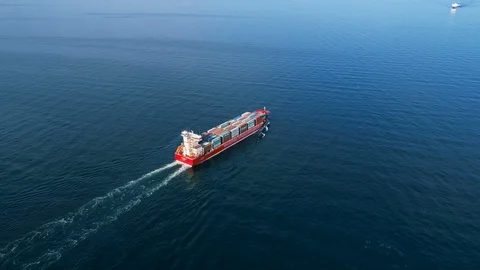

In today’s interconnected economy, businesses rely on efficient transportation networks to move goods across borders. Among the various logistics solutions available, Sea Freight remains one of the most reliable and cost-effective methods for international shipping. From raw materials and machinery to consumer goods and retail inventory, sea freight powers global trade by connecting manufacturers and markets worldwide.
Whether you are a small business expanding internationally or a large corporation managing bulk imports and exports, understanding sea freight services can help you optimize costs and streamline your supply chain.
Sea Freight refers to the transportation of goods via cargo ships across oceans and international waters. It is primarily used for large-volume shipments that do not require urgent delivery. Because ships can carry thousands of containers in a single journey, sea freight offers unmatched capacity and affordability compared to air freight.
There are two main types of sea freight services:
Full Container Load (FCL) – A single shipper occupies an entire container. This option is ideal for large shipments and offers better security and faster transit compared to shared containers.
Less than Container Load (LCL) – Multiple shippers share one container. This is cost-effective for smaller shipments that don’t require a full container.
Both methods allow businesses to move goods globally while managing budgets effectively.
Sea Freight continues to dominate international trade for several reasons:
Shipping by sea is significantly more affordable for heavy and bulk goods. Lower fuel costs per unit and higher cargo capacity make it ideal for international trade.
Cargo vessels can transport massive volumes, including oversized machinery, vehicles, and industrial equipment that air freight simply cannot handle.
Sea freight connects major ports in Asia, Europe, North America, Africa, and Australia. Nearly every country with coastal access participates in ocean trade.
Although shipping contributes to emissions, sea freight produces fewer emissions per ton-mile than air transport, making it a more sustainable option for large shipments.
Understanding how sea freight works helps businesses plan effectively:
Booking the Shipment – A freight forwarder arranges space with a shipping carrier.
Cargo Pickup & Documentation – Goods are collected and export documentation is prepared.
Port Handling & Loading – Containers are loaded onto cargo ships at the origin port.
Ocean Transit – The vessel travels to the destination port.
Customs Clearance – Goods are inspected and cleared upon arrival.
Final Delivery – Cargo is transported inland to warehouses or final destinations.
Working with an experienced freight partner ensures smooth coordination throughout this process.
Sea freight supports multiple industries, including:
Retail & eCommerce
Automotive manufacturing
Construction & heavy equipment
Agriculture & food exports
Oil & energy sectors
Electronics & consumer goods
Without sea freight, global supply chains would struggle to function at scale.
While air freight offers speed, sea freight excels in:
Lower shipping costs
Larger shipment capacity
Transporting hazardous or oversized cargo
Reduced environmental impact per shipment
For businesses focused on long-term cost efficiency rather than urgent delivery, sea freight is the ideal solution.
Like any logistics method, sea freight comes with potential challenges:
Weather disruptions
Port congestion
Customs delays
Longer transit times
Fluctuating freight rates
Proper planning, cargo insurance, and reliable logistics partners can minimize these risks.
The sea freight industry is evolving with technology and sustainability efforts:
Digital Tracking Systems – Real-time tracking improves shipment visibility.
Automation at Ports – Faster loading and unloading processes.
Green Shipping Initiatives – Cleaner fuels and optimized shipping routes.
Smart Containers – IoT-enabled containers monitor temperature and security.
These innovations enhance efficiency, transparency, and environmental responsibility in global shipping.
Selecting a reliable sea freight company is critical. Consider the following:
Experience in international logistics
Strong global carrier network
Transparent pricing
Customs expertise
Real-time shipment tracking
Dedicated customer support
A trusted partner can reduce delays, control costs, and improve overall supply chain performance.
As global trade continues to expand, Sea Freight will remain the backbone of international commerce. With advancements in digital logistics, sustainability practices, and smart shipping technologies, the industry is becoming more efficient and environmentally conscious.
Businesses that leverage optimized sea freight strategies can lower operational costs, improve delivery timelines, and expand into new markets confidently.
Sea freight isn’t just about moving goods across oceans — it’s about connecting economies, supporting industries, and driving global growth.