English
 Arabic
 French
 Spanish
 Portuguese
 Deutsch
 Turkish
 Dutch
Dutch
 Italiano
 Russian
 Romaian
 Portuguese (Brazil)
 Greek
Greek

Electronic Weighing Scale
Other |
2026-03-26 14:22:03
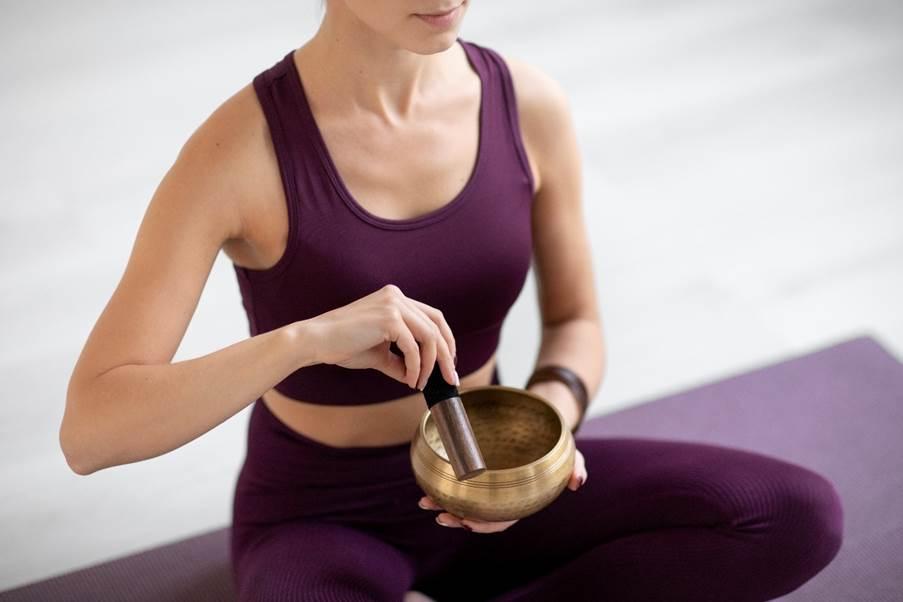
Stress hits hard these days. You rush from work to home, mind buzzing like a hive. People seek ways to unwind without pills. Enter the meditation singing bowl. This ancient tool offers sound healing that cuts through the noise. Rooted in Tibetan and Nepalese traditions, it brings auditory therapy right to your space. In this guide, you'll learn how to pick, play, and use a singing bowl for real stress relief. Expect tips on brainwave shifts and daily routines that boost wellness.
Section 1: Understanding the Symphony of the Singing Bowl
What Exactly is a Meditation Singing Bowl?
A meditation singing bowl is a simple metal or crystal vessel that sings when you strike or rub it. Tibetan singing bowls come hammered from bronze alloys, often mixing five to nine metals like copper and tin. They create rich, layered sounds. Crystal singing bowls, made from pure quartz, ring clear and high. Each type suits different needs in sound healing. Metal ones feel grounded, while crystals shine for energy work.
These bowls aren't just decor. They vibrate at frequencies that touch your body and mind. Traditional makers in the Himalayas craft them by hand, passing down skills for centuries. If you're new to sound healing, start with a small metal bowl. It fits easy in your hand and travels well.
The Science Behind Sound Frequency and Brainwaves
Sound from a meditation singing bowl changes how your brain works. It triggers brainwave entrainment, where waves sync to the bowl's hum. You drop from busy beta waves to calm alpha or theta states. Studies show this eases anxiety and sharpens focus. For example, tones around 432 Hz promote deep relaxation, unlike the standard 440 Hz.
Binaural beats happen when two close frequencies play—one in each ear. The bowl's overtones mimic this, tricking your brain into chill mode. Research from places like Harvard backs it: regular use lowers cortisol, the stress hormone. Imagine your mind as a stormy sea. The bowl's steady pulse calms the waves, leaving peace.
Historical Roots: From Monastery to Modern Practice
Singing bowls trace back over 2,000 years in Buddhist and Hindu rituals. Monks in Tibet used them to focus during long meditations. They paired the sound with chants to clear the air and minds. In Nepal, healers struck bowls for energy balance.
Over time, these tools spread west. Yoga classes and spas now feature them for stress relief. The history adds trust—it's not some fad. Think of it as a bridge from old wisdom to your busy life. Today, millions use singing bowls as meditation tools to quiet inner chatter.
Section 2: Selecting Your Perfect Sonic Companion
Determining Size and Material: Crystal vs. Metal
Picking the right meditation singing bowl starts with size and stuff it's made from. Small bowls, about 4 inches wide, give high pitches—great for quick sessions. Larger ones, up to 12 inches, hum low and deep, perfect for full-body vibes.
Metal Tibetan singing bowls win for beginners. Their overtones build complex harmonies that last. Crystal ones cut pure notes, linking to chakras like the throat or crown. Metal feels warm and earthy; crystal stays cool and bright. If you want portability, go metal. For chakra work, try crystal. Weigh your goals: daily calm or energy tuning?
Identifying Bowl Quality and Craftsmanship
Quality shows in the sound. A good singing bowl rings clear without buzz or rattle. Check the rim—smooth edges mean even tones. Hammer marks on Tibetan bowls should look hand-done, not machine-stamped.
Buy from trusted sellers with roots in Asia. Read reviews for tone descriptions. Tap it lightly; a high-quality one sustains for minutes. Avoid cheap fakes that fade fast. Real craftsmanship lasts years and deepens your sound healing practice.
Essential Accessories: Mallets and Cushions
You need the right tools to play a singing bowl well. Mallets come in felt-wrapped for soft strikes or wood for rim rubs. Felt starts the vibe gentle; wood builds the sing. Pick based on your style—striking for quick hits, rimming for long hums.
A cushion is key. It holds the bowl steady on your lap or floor, letting sounds bloom free. Without it, vibrations get muffled. Basic ring cushions work fine; some have suede tops for grip. These extras make learning how to play a singing bowl smooth and fun.
Section 3: Mastering the Art of Playing Your Bowl
The Two Primary Techniques: Striking and Singing
Start simple with the strike. Hold the bowl in your palm or on a cushion. Grip the mallet like a pencil. Tap the side gently—once or twice. Let the ring fade natural. This wakes the bowl's energy fast.
For singing, or rimming, press the mallet to the outer edge. Circle steady, medium speed. Keep even pressure; the tone builds as friction heats the metal. Practice slow at first. Soon, you'll get that waterfall hum. These steps teach how to play a singing bowl for beginners without frustration.
Tuning Your Bowl to the Chakras
Each chakra links to a note. Root chakra vibes with C, low and grounding. Heart chakra sings F for love and calm. Pick bowls tuned to these for targeted healing.
Use a heart-tuned bowl during tough days. Place it near your chest; the sound opens that space. Ground with a root bowl before bed. This singing bowl chakra alignment boosts flow. Experiment—find what resonates with you.
Troubleshooting Common Playing Issues
If the mallet skips, lighten your touch. Too much force causes jumps. For harsh scratches, slow your circle. Uneven speed grates the ear.
Bowl not singing? Check if it's level on the cushion. Tilt throws off vibes. Grip loose if tones warble. Quick tweaks fix most woes. With practice, fixing singing bowl skipping becomes second nature.
Section 4: Integrating Singing Bowls into Daily Wellness Routines
Meditation Enhancement: Focus and Deepening Practice
Add a singing bowl to your sit. Strike at start to signal quiet time. The sound pulls you in, like a gentle call. Mid-way, ring it to reel back a wandering mind.
Use the hum as an anchor. Breathe with the fade-out. This builds singing bowls for mindfulness into habit. Sessions feel deeper, stress melts away. You stay present longer each time.
Sound Baths and Group Healing Environments
A sound bath wraps you in waves from many bowls. Lie down as tones layer—highs and lows blend into harmony. It hits every cell, easing tension you didn't know was there.
Groups in yoga spots or clinics love this. Multiple bowls create fields that heal together. Benefits of a sound bath include better sleep and less pain. Try one; the shared vibe connects souls.
Practical Application: Relaxation and Sleep Aid
Wind down with a 10-minute routine. Sit or lie, bowl on cushion by your feet. Strike a low-tone one three times. Let it ground your legs.
Rimm for two minutes, slow circles. Move the sound up your body mentally. End with a final strike. This fights singing bowls for insomnia. Place near your pillow for night play. Deep sleep sound therapy follows easy.
Section 5: Maintenance and Longevity of Your Investment
Cleaning and Storing Metal Bowls Safely
Wipe metal bowls with a soft cloth and mild soap. Rinse gentle, dry right away. Skip abrasives—they scratch the patina that shapes tone.
Store in a cool, dry spot. Wrap in silk to fend dust. Hang or stack careful to avoid dings. How to clean a bronze singing bowl keeps it shining for years.
Protecting Crystal Bowls from Thermal Shock
Crystal bowls crack easy from temp swings. Keep them room-warm, away from sun or drafts. Handle with clean hands; oils cloud the quartz.
Store padded in bags. If it gets dirty, rinse with distilled water only. Crystal singing bowl care means gentle life—no shocks, long play.
The Lasting Resonance of Intentional Sound
You've journeyed from bowl basics to daily use. Meditation singing bowls offer sound healing that fights modern stress head-on. Pick quality, play with care, weave into routines for real change.
The hum lingers, reminding you of inner calm. In a loud world, this tool quiets the storm. Start small—your peace awaits.
Key Takeaways