


Aircraft Towbars Market Restraints Impacting Growth and Operational Efficiency in Aviation Industry
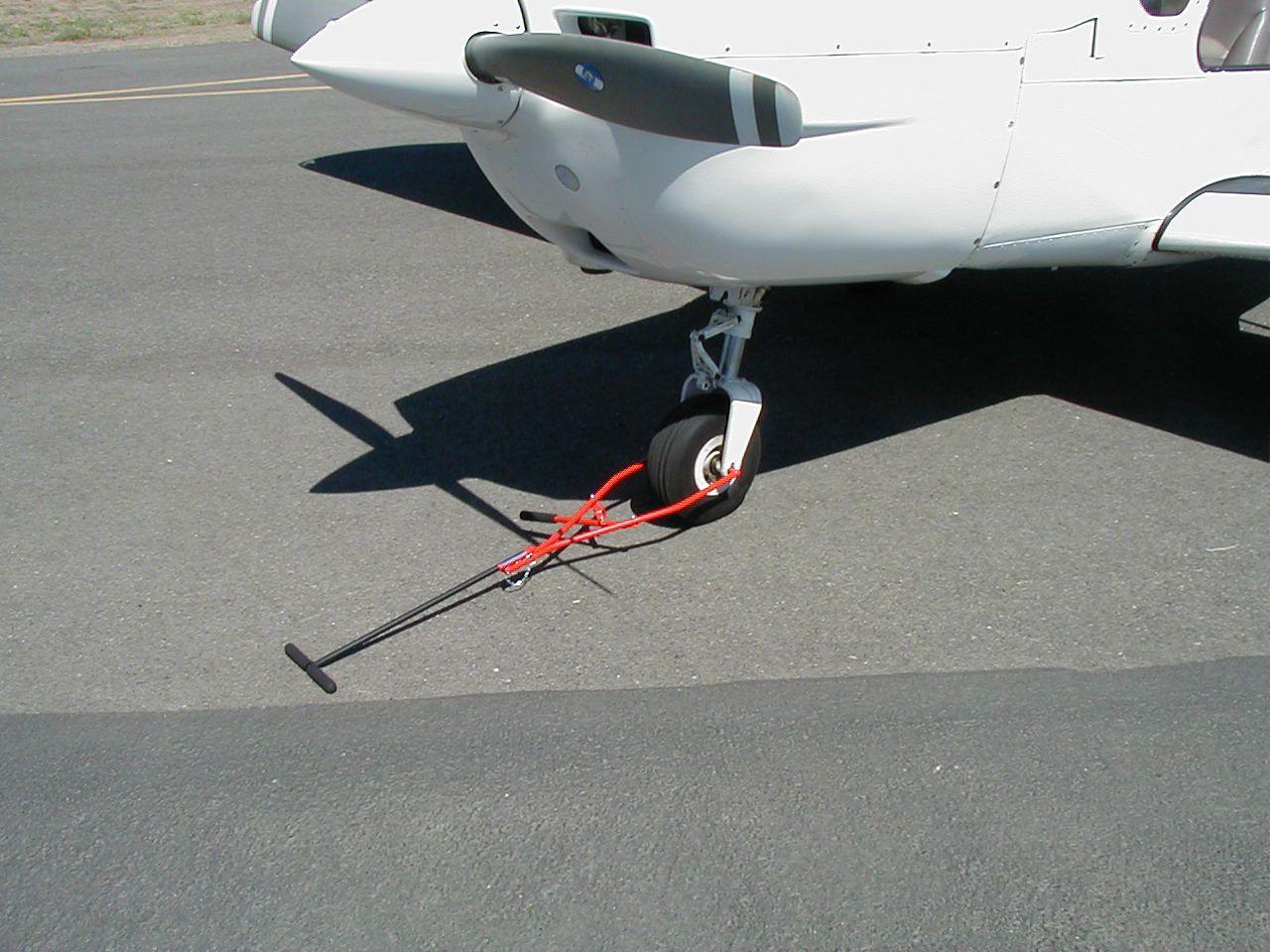
The aircraft towbars market, while essential for safe and efficient ground handling, faces several restraints that slow down its growth and adoption across different aviation sectors. These challenges arise from a mix of financial, operational, technological, and competitive factors. For both manufacturers and users, understanding these restraints is crucial in developing strategies to overcome them and maintain operational efficiency.
1. High Initial Investment
Quality aircraft towbars, especially those designed for large commercial or military aircraft, come with significant upfront costs. These costs can be a challenge for small regional airports, low-cost carriers, and private operators with limited budgets.
While the investment ensures long-term use, the initial financial burden can discourage frequent equipment upgrades or replacements, leading some operators to continue using outdated or repaired towbars that may not meet the latest safety standards.
2. Maintenance and Repair Costs
Aircraft towbars must withstand substantial mechanical stress during aircraft towing. Over time, wear and tear require periodic maintenance, replacement of connection heads, or complete refurbishment.
In environments with high humidity, extreme temperatures, or heavy usage, maintenance costs can rise sharply. Regular inspections are essential for safety compliance, but they add operational expenses that smaller operators may struggle to absorb.
3. Compatibility Limitations
A major restraint is the compatibility issue between towbars and aircraft nose gear types. Many traditional towbars are designed for specific aircraft models, meaning operators must keep multiple types in inventory.
Although modular towbars with interchangeable heads are helping address this challenge, the upfront cost for such systems can be higher. The lack of standardization across the aviation industry prolongs this restraint.
4. Operational Inefficiencies
Towbars require careful handling and correct attachment to ensure safety. In busy airport environments, this process can be time-consuming compared to towbarless tractors, which directly lift the aircraft’s nose wheel.
Additionally, towbars occupy significant storage space when not in use, especially at airports with multiple aircraft types. These operational inefficiencies can lead some operators to consider alternative towing solutions.
5. Competition from Towbarless Systems
The increasing adoption of towbarless tractors presents one of the most significant competitive restraints. Towbarless systems offer quicker aircraft attachment, reduced manpower needs, and increased maneuverability.
While they come with higher purchase costs, the long-term operational efficiency and reduced handling risks are driving many large airports toward towbarless solutions. This shift can reduce demand for traditional towbars, particularly in high-traffic hubs.
6. Training Requirements
Operating an aircraft towbar safely requires proper training. Incorrect attachment or handling can damage both the towbar and the aircraft. For new or temporary staff, training adds to operational costs and takes time away from other tasks.
In regions with high employee turnover, this training requirement becomes a recurring expense and an ongoing operational challenge.
7. Supply Chain and Availability Issues
The manufacturing of aircraft towbars relies on high-grade materials, precision engineering, and strict quality control. Disruptions in the supply chain—such as delays in raw material availability or international shipping—can slow down production and delivery schedules.
This has been especially noticeable during global events that impact logistics, leading to extended lead times and higher costs for buyers.
8. Regulatory and Safety Compliance Costs
Aviation ground equipment must meet strict regulatory standards. Compliance involves rigorous testing, certifications, and periodic inspections. For manufacturers, meeting these requirements increases production costs, while operators face expenses for ongoing compliance and recertification.
Non-compliance risks are high—both in financial penalties and in the potential for accidents—making this a critical yet costly area for market participants.
9. Environmental Concerns and Sustainability Pressure
Although aircraft towbars themselves are not fuel-powered, their production, materials, and lifecycle management contribute to environmental impact. Pressure on aviation stakeholders to adopt more sustainable practices means manufacturers must explore recyclable materials and eco-friendly production methods.
Implementing such changes can raise costs in the short term, creating a restraint for smaller companies unable to invest heavily in sustainability initiatives.
Future Outlook Despite Restraints
While these restraints present challenges, they also create opportunities for innovation. Manufacturers who can develop cost-effective, modular, lightweight, and easy-to-maintain towbars may find strong demand, particularly in regions with growing aviation activity.
Additionally, integrating technology for predictive maintenance and improving compatibility across aircraft types can help reduce operational inefficiencies and extend market relevance even in the face of towbarless competition.
Conclusion
The aircraft towbars market is vital for aviation ground operations but faces notable restraints that affect its growth. High costs, maintenance demands, compatibility issues, competition from towbarless systems, and compliance expenses all influence market dynamics. Overcoming these challenges will require a mix of design innovation, operational efficiency, and strategic adaptability from both manufacturers and operators.

 English
 Arabic
 French
 Spanish
 Deutsch
 Turkish
 Dutch
Dutch
 Italiano
 Russian
 Romaian
 Portuguese (Brazil)
 Greek
Greek