


Basalt Fiber Market Challenges and Limitations Affecting Global Industrial Adoption
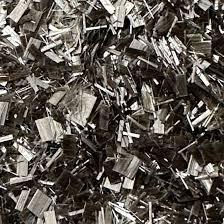
The Basalt Fiber Market has gained recognition for its strength, thermal resistance, and sustainability, but it also encounters several challenges and limitations that impact global adoption. High production costs, technical complexity, limited awareness, competition from traditional materials, and regulatory hurdles affect industries such as construction, automotive, aerospace, renewable energy, and marine. Understanding these challenges allows manufacturers, investors, and policymakers to implement strategies to overcome obstacles, enhance market penetration, and maximize long-term growth opportunities in the evolving basalt fiber landscape.
High Production Costs
One of the primary challenges is the high cost of basalt fiber production. Energy-intensive melting processes, specialized equipment, and quality control measures increase manufacturing expenses compared to alternatives like glass fiber. Cost-sensitive industries may hesitate to adopt basalt fiber, particularly for large-scale projects. Optimizing production efficiency, scaling facilities, and adopting energy-saving technologies can help reduce costs and encourage wider adoption.
Technical Complexity
Producing and applying basalt fiber requires technical expertise. Ensuring consistent fiber quality, integrating fibers into composites, and maintaining mechanical performance can be challenging for new manufacturers. This complexity limits adoption in industries without skilled personnel or advanced infrastructure. Training programs, technical partnerships, and knowledge sharing are critical to overcoming this limitation.
Limited Market Awareness
Limited awareness of basalt fiber properties and applications restricts market expansion. Many manufacturers and end-users still view it as an experimental or niche material. Demonstration projects, educational initiatives, and pilot programs can increase market understanding, build trust, and improve adoption rates. Enhancing awareness is essential to position basalt fiber as a viable industrial material.
Competition from Traditional Materials
Basalt fiber faces stiff competition from glass, carbon, and synthetic fibers, which are more widely known, established, and cost-effective. Industries accustomed to these materials may be reluctant to switch, despite basalt fiber’s superior durability and environmental benefits. Highlighting long-term performance advantages, maintenance savings, and sustainability benefits can help overcome resistance and enhance adoption.
Regulatory and Compliance Challenges
Regulatory and compliance hurdles present another limitation. Varying safety, environmental, and construction standards across regions can complicate material certification and project approval. Non-compliance can delay implementation or restrict usage in critical applications. Proactive engagement with regulatory bodies and alignment with international standards are essential for mitigating this challenge.
Supply Chain Limitations
The basalt fiber supply chain is limited due to geographic concentration of production facilities and raw material dependency. Transportation logistics, availability of high-quality volcanic rock, and regional production constraints can affect supply reliability. Expanding manufacturing facilities regionally and diversifying raw material sourcing are key strategies to address supply chain limitations.
Environmental Concerns
Although basalt fiber is eco-friendly, production consumes energy and resources, potentially raising environmental concerns. Companies must adopt sustainable manufacturing processes, energy-efficient technologies, and recycling strategies to minimize environmental impact and comply with green regulations.
Market Adoption Barriers
Industrial adoption faces additional barriers, including integration challenges in existing production processes and uncertainty about long-term performance in specific applications. Collaborative research, pilot programs, and case studies can help industries evaluate the material’s benefits and encourage integration.
Strategic Outlook
Addressing challenges and limitations is critical for the basalt fiber market to achieve sustainable global growth. Strategic initiatives, including technological innovation, cost optimization, market education, regulatory compliance, and supply chain strengthening, can enhance adoption across construction, automotive, aerospace, renewable energy, and marine sectors.
The Basalt Fiber Market faces several challenges and limitations, but targeted strategies can overcome obstacles and enable broader industrial adoption.

 English
 Arabic
 French
 Spanish
 Portuguese
 Deutsch
 Turkish
 Dutch
Dutch
 Italiano
 Russian
 Romaian
 Portuguese (Brazil)