


Why Pneumatic Conveying Systems Are Essential for Dust-Free Production Environments
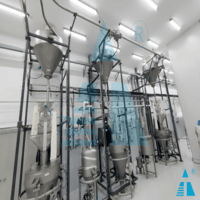
In modern manufacturing, controlling dust and airborne particles is critical—not just for product quality, but also for worker safety and regulatory compliance. Dust can contaminate products, damage equipment, and pose serious health risks. This is where pneumatic conveying systems come into play. By efficiently transporting powders and granules through enclosed pipelines using controlled airflows, these systems create dust-free production environments while optimizing material handling.
What Are Pneumatic Conveying Systems?
A pneumatic conveying system is an automated solution designed to move bulk materials like powders, granules, and small solids through pipelines using air pressure or vacuum. Unlike traditional mechanical conveyors, these systems operate in sealed pipelines, preventing dust escape and minimizing contamination.
Key Components:
- Air supply units (blowers or compressors)
- Conveying pipelines
- Material feeding devices
- Collection or receiving units
- Filters or separators
Benefits of Pneumatic Conveying Systems for Dust-Free Production
1. Minimized Dust Generation
The enclosed pipeline design prevents powders from escaping into the work environment, reducing airborne dust. This protects both products and employees.
2. Enhanced Worker Safety
By limiting dust exposure, pneumatic conveying systems reduce respiratory hazards, fire risks, and potential workplace accidents associated with loose powders.
3. Improved Product Quality
Dust-free environments maintain the integrity and consistency of materials, especially important in food, pharmaceutical, and chemical manufacturing.
4. Efficient Material Handling
These systems transport materials over long distances with minimal spillage, ensuring consistent and reliable operations.
5. Regulatory Compliance
Dust control is a key requirement in many industries. Pneumatic conveying systems help businesses meet hygiene, safety, and environmental standards.
6. Reduced Cleaning and Maintenance Efforts
With less dust spreading throughout the plant, machines, floors, and workspaces require less frequent cleaning, improving overall productivity.
Applications of Pneumatic Conveying Systems
- Food Industry: Transporting flour, sugar, cocoa, and other powders without contamination.
- Pharmaceutical Industry: Moving medicinal powders in sterile, dust-free conditions.
- Chemical Industry: Safe handling of fine chemicals, fertilizers, and granules.
- Cement and Construction: Transferring powdered cement or additives efficiently.
- Plastic & Polymer Industry: Handling plastic granules and additives without material loss.
Key Considerations When Implementing Pneumatic Conveying Systems
- Material Characteristics – Particle size, moisture content, and abrasiveness affect system design.
- Distance & Layout – Determine whether a positive-pressure or vacuum system is suitable.
- Filtration & Separation – Use high-efficiency filters to ensure dust-free operation.
- Maintenance Access – Ensure easy access to pipelines, blowers, and collection units.
- Automation Integration – Incorporate sensors and control systems for real-time monitoring and efficiency.
FAQs
Q1: Can pneumatic conveying systems handle multiple materials at once?
Yes, with proper system design, different powders or granules can be transported without cross-contamination.
Q2: Are these systems energy-efficient?
Modern pneumatic conveying systems are optimized for energy efficiency, reducing operating costs while maintaining performance.
Q3: Do they completely eliminate dust?
While they significantly minimize dust, regular maintenance and filtration ensure optimal dust control.
Q4: Can small-scale factories implement pneumatic conveying systems?
Absolutely. Systems can be customized to suit production scale, distance, and material type.
Conclusion
In today’s competitive manufacturing landscape, dust-free production is no longer optional—it’s essential. Pneumatic conveying systems offer a reliable, efficient, and safe solution for transporting powders and granules while maintaining a clean and controlled environment. By investing in these systems, businesses not only improve product quality and worker safety but also enhance operational efficiency and regulatory compliance.

 Arabic
 French
 Spanish
 Portuguese
 Deutsch
 Turkish
 Dutch
Dutch
 Italiano
 Russian
 Romaian
 Portuguese (Brazil)
 Greek
Greek