 English
 Arabic
 French
 Spanish
 Portuguese
 Deutsch
 Turkish
 Dutch
Dutch
 Italiano
 Russian
 Romaian
 Portuguese (Brazil)
 Greek
Greek

Alliance Strategy Guide: Dominate Whiteout Survival
Games |
2026-02-20 07:44:53

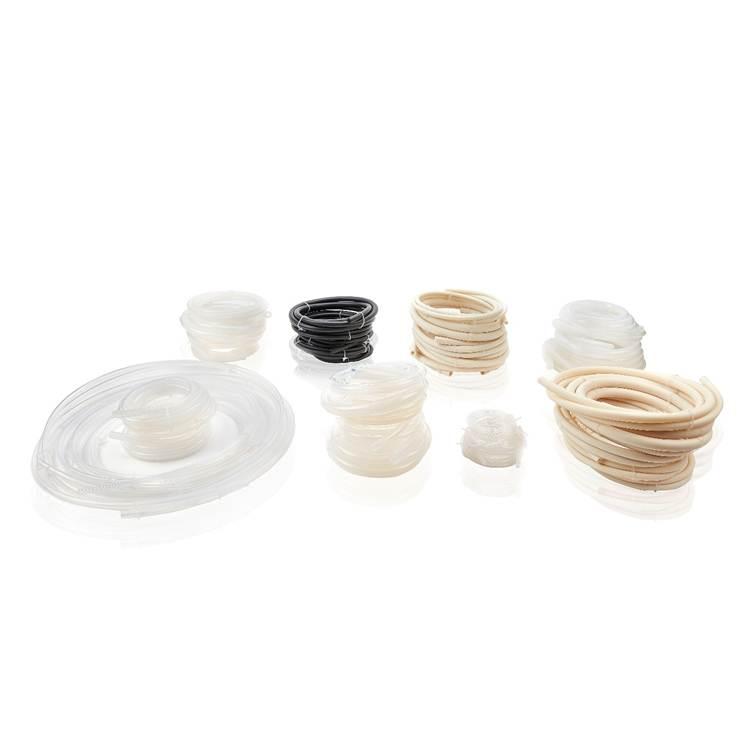
Bioprocess tubing is a specialized type of flexible tubing used in biotechnology, pharmaceutical, and life science industries to transfer fluids safely and efficiently during manufacturing processes. It plays a critical role in maintaining sterility, product integrity, and regulatory compliance throughout bioprocess operations.
Manufacturers such as Saint-Gobain, Thermo Fisher Scientific, and Cole-Parmer** provide high-quality bioprocess tubing designed for demanding industrial environments.
Key Features of Bioprocess Tubing
1. High Purity and Biocompatibility
Bioprocess tubing is made from medical- or pharmaceutical-grade materials that are non-toxic, non-reactive, and suitable for contact with sensitive biological fluids.
2. Sterilization Compatibility
These tubes are compatible with common sterilization methods such as:
This ensures contamination-free processing.
3. Chemical and Thermal Resistance
Bioprocess tubing can withstand exposure to aggressive chemicals, cleaning agents, and varying temperature ranges without degradation.
4. Flexibility and Durability
Designed for repeated use, the tubing offers excellent flexibility, kink resistance, and mechanical strength, ensuring reliable fluid transfer.
Common Materials Used in Bioprocess Tubing
Silicone
Thermoplastic Elastomers (TPE)
PVC (Polyvinyl Chloride)
Fluoropolymers (PTFE, FEP)
Applications of Bioprocess Tubing
Biopharmaceutical Manufacturing
Used in drug formulation, vaccine production, and monoclonal antibody processing.
Cell Culture and Fermentation
Facilitates nutrient delivery and waste removal in bioreactors.
Filtration and Purification
Supports chromatography and filtration systems during downstream processing.
Media and Buffer Transfer
Ensures safe transport of culture media, buffers, and reagents.
Advantages of Using Bioprocess Tubing
Regulatory and Quality Standards
High-quality bioprocess tubing complies with international standards such as:
These certifications ensure safety and reliability in pharmaceutical manufacturing.
How to Choose the Right Bioprocess Tubing
Consider the Following Factors:
Importance in Modern Biomanufacturing
Bioprocess tubing is essential for maintaining controlled, clean, and efficient production environments. With the growth of single-use technologies and continuous manufacturing, high-performance tubing systems help manufacturers achieve faster turnaround times, lower operational costs, and improved product quality.


