
Responsible Choices for Exotic Parrot Egg Enthusiasts

Understanding Exotic Parrot Eggs and Responsible Ownership
Interest in parrots has grown among bird enthusiasts who admire their intelligence, vivid colors, remarkable personalities, and ability to form strong bonds with people. Searches for exotic parrot eggs for sale often reflect curiosity about raising unusual species or expanding an existing aviary. However, purchasing or incubating parrot eggs involves much more than simply finding a seller. Prospective keepers need to understand species requirements, legal restrictions, ethical sourcing, incubation needs, and long-term welfare considerations before making any decision involving parrots or their eggs.
Parrot species vary significantly in their care requirements. Temperature, humidity, incubation duration, diet, social development, and veterinary needs can differ considerably between species. An egg that appears healthy may still require highly specialized conditions to develop properly. For this reason, responsible bird enthusiasts should prioritize education and animal welfare rather than treating eggs as ordinary merchandise. Understanding the natural history of a species is one of the most valuable steps toward making informed choices.
Why Ethical Sourcing Matters for Parrot Conservation
Parrots are among the most fascinating birds in the world, but some species face serious conservation challenges. Habitat destruction, illegal trapping, and unregulated wildlife trade can place additional pressure on vulnerable populations. Eggs removed from nests can also interfere with natural reproduction and parental behavior. Consequently, responsible enthusiasts should always consider where birds or eggs originated and whether the source operates within applicable wildlife laws.
Ethical sourcing helps support legitimate conservation and captive-breeding programs while discouraging activities that could harm wild populations. Reputable organizations generally maintain appropriate documentation, follow applicable regulations, and place animal welfare ahead of commercial demand. Buyers should be cautious about sellers who cannot clearly explain the legal origin of their birds or eggs, especially when dealing with species subject to international or regional protection.
Preparing for the Responsibilities of Parrot Care
Anyone considering parrot ownership should think beyond the initial acquisition. Parrots can have long lifespans and may require decades of commitment. Their physical environment needs to provide sufficient space, enrichment, appropriate nutrition, safe perches, and opportunities for natural behaviors. Their intelligence also means that mental stimulation and social interaction can be just as important as food and shelter.
Egg incubation introduces additional responsibilities. Successful development depends on carefully controlled environmental conditions, and inexperienced handling can negatively affect an embryo. Once a chick hatches, the responsibility becomes even greater because young parrots need appropriate feeding, warmth, monitoring, socialization, and veterinary attention. A responsible keeper should therefore research the species thoroughly and consult qualified avian professionals before attempting specialized breeding or incubation.
Recognizing Reliable Information and Responsible Practices
Online information about parrots can vary greatly in quality. Attractive photographs and persuasive descriptions do not necessarily demonstrate that a seller follows responsible practices. Prospective owners should investigate the species, understand relevant regulations, and seek advice from avian veterinarians, established breeders, rescue organizations, and recognized conservation bodies.
Documentation can also be important when dealing with protected species. Depending on the species and location, permits, registration, proof of captive breeding, or other paperwork may be required. International movement can involve additional restrictions under wildlife-trade regulations. Instead of focusing solely on availability or price, responsible enthusiasts should evaluate whether acquiring a particular bird is lawful, sustainable, and compatible with its welfare needs.
Creating a Welfare-Focused Aviary Environment
A successful aviary is designed around the needs of its inhabitants rather than appearance alone. Proper ventilation, cleanliness, safe construction, suitable lighting, temperature management, and adequate space can all contribute to healthier birds. Environmental enrichment can encourage natural behaviors such as climbing, chewing, foraging, and exploration.
Nutrition is another major consideration. Parrots have species-specific dietary requirements, and an unsuitable diet can contribute to long-term health problems. Fresh foods, formulated diets, minerals, and other nutritional components should be selected according to veterinary guidance and the particular species. Regular observation is equally important because changes in appetite, behavior, droppings, feather condition, or activity can sometimes indicate illness.
Considering African Parrot Eggs Responsibly
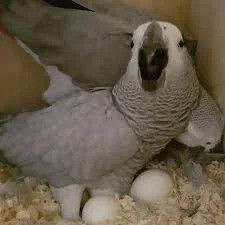
Interest in african parrot eggs for sale can involve species with very different conservation statuses and legal requirements. The term itself covers a broad range of parrots associated with the African continent, so it should never be assumed that every species can be legally traded or privately bred in the same way. Some birds may be subject to strict national or international protections, making documentation and legal compliance especially important.
Rather than approaching eggs as a simple purchase, enthusiasts should learn about the specific species, its conservation status, breeding history, and welfare requirements. Captive-bred birds obtained through legitimate and transparent channels can provide a more responsible alternative to supporting questionable wildlife trade. When uncertainty exists, consulting an avian veterinarian or appropriate wildlife authority is preferable to proceeding without adequate information.
Supporting the Future of Responsible Parrot Keeping
Responsible parrot keeping ultimately depends on knowledge, patience, and respect for wildlife. Enthusiasts can contribute positively by supporting ethical breeders, reputable rescues, conservation initiatives, and educational organizations. Choosing legally documented captive-bred birds where appropriate can also help distinguish responsible aviculture from practices that threaten wild populations.
The most rewarding relationship with a parrot is one built around its welfare rather than its rarity or commercial value. Before acquiring an egg or bird, prospective owners should consider whether they have the resources, experience, time, and long-term commitment necessary to provide excellent care. With thoughtful preparation and a conservation-minded approach, bird enthusiasts can enjoy the remarkable qualities of parrots while helping promote responsible aviculture. For those seeking reliable information and responsible pathways into the world of parrots, featheredparrotaviary.com can serve as a point of reference while researching suitable options and making welfare-conscious decisions.
Blog Source URL:- https://medium.com/@featheredparrotaviary/responsible-choices-for-exotic-parrot-egg-enthusiasts-c2a9b0ab6d11

 English
 Arabic
 French
 Spanish
 Portuguese
 Deutsch
 Turkish
 Dutch
Dutch
 Italiano
 Russian
 Romaian
 Greek
Greek