


Flat Glass Market in Key Inhibitors Including Energy Costs, Supply Chain Constraints, and Regulatory Challenges
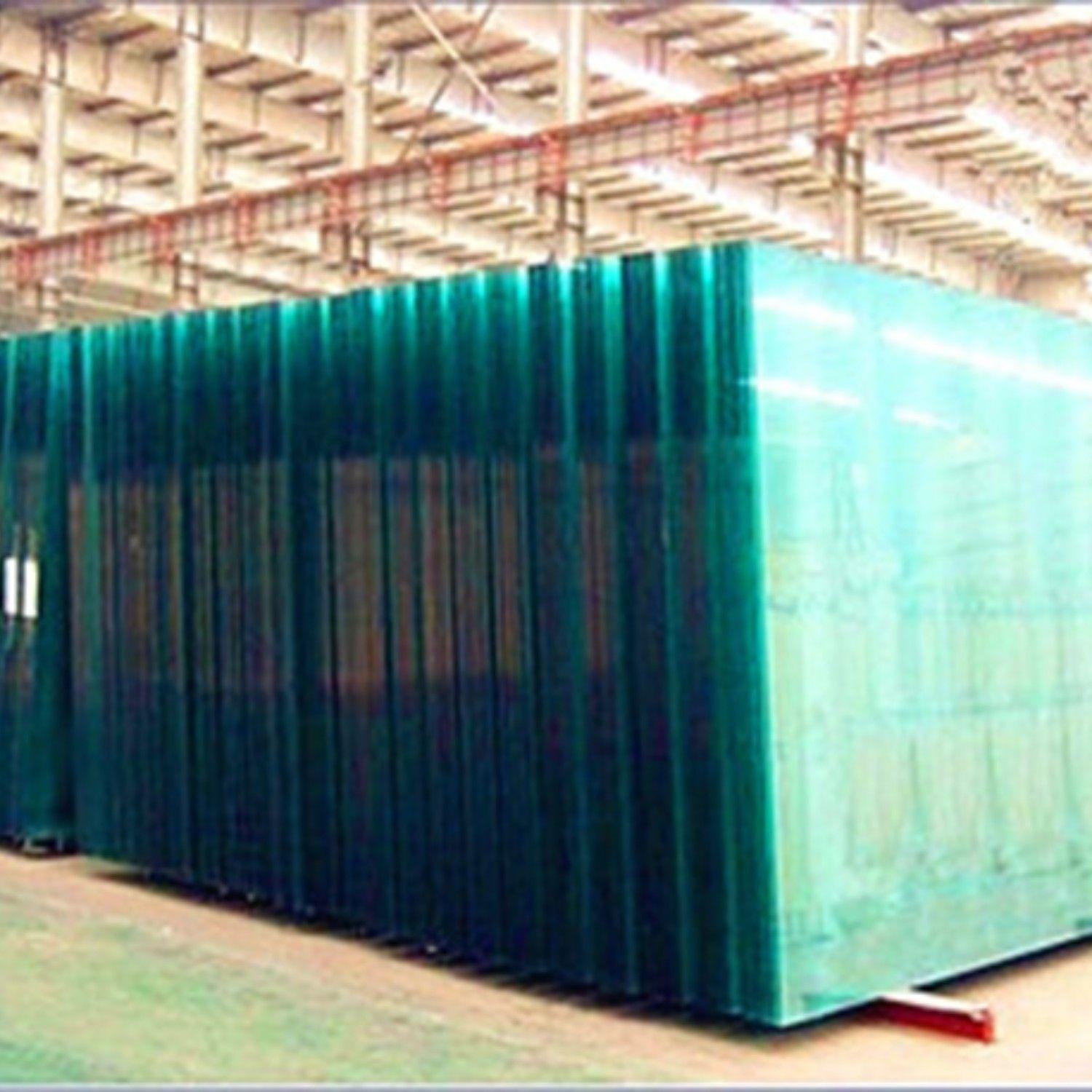
The flat glass market inhibitors highlight the main obstacles that restrict growth and affect operational efficiency in the industry. Despite increasing global demand across construction, automotive, renewable energy, and industrial sectors, these inhibitors continue to pose challenges for manufacturers and stakeholders.
A primary inhibitor is high energy consumption. Flat glass production, including float, tempered, and laminated processes, is energy-intensive. Rising electricity and fuel costs elevate operational expenses, reduce profit margins, and limit the ability of manufacturers to scale efficiently, particularly in energy-sensitive regions.
Raw material price volatility also acts as a significant inhibitor. Essential inputs such as silica sand, soda ash, and limestone face fluctuations due to supply constraints, environmental regulations, and geopolitical factors. This unpredictability affects production planning, budgeting, and the ability to meet growing market demand.
Supply chain disruptions further hinder the market. Dependence on imported raw materials, specialized machinery, and international logistics exposes manufacturers to delays, increased costs, and uncertainties. Trade restrictions, transportation bottlenecks, and natural disasters can disrupt timely delivery to construction, automotive, and industrial customers.
Regulatory challenges are another key inhibitor. Compliance with environmental regulations, emission standards, and energy efficiency mandates requires substantial investment in monitoring systems, production upgrades, and process adjustments. While promoting sustainability, these regulations can slow production and increase operational costs.
The capital-intensive nature of technology adoption also inhibits growth. Integrating smart glass, Low-E coatings, laminated processes, or automated production systems requires significant investment. Smaller or emerging manufacturers may struggle to adopt these technologies, limiting competitiveness in premium and high-demand market segments.
Competition from alternative materials such as plastics, polycarbonate, and acrylic sheets contributes to market inhibition. These substitutes are often cheaper, lighter, and easier to install, reducing demand for traditional flat glass in certain applications.
Regionally, Asia-Pacific faces high demand but infrastructural limitations, while North America and Europe manage high operational costs and strict regulatory compliance. Emerging markets may struggle with technology gaps and skilled labor availability. Addressing these inhibitors is crucial for sustained growth.
In conclusion, flat glass market inhibitors include high energy consumption, raw material volatility, supply chain disruptions, regulatory challenges, capital-intensive technology adoption, and competition from substitutes. Overcoming these inhibitors through innovation, efficiency, and sustainability is essential to maintain growth and competitiveness.

 English
 Arabic
 French
 Spanish
 Portuguese
 Deutsch
 Turkish
 Italiano
 Russian
 Romaian
 Portuguese (Brazil)
 Greek
Greek