 English
 Arabic
 French
 Spanish
 Portuguese
 Deutsch
 Turkish
 Dutch
Dutch
 Italiano
 Russian
 Romaian
 Portuguese (Brazil)
 Greek
Greek

สนีกเกอร์ Nike ที่สายแฟชั่นต้องรู้จัก
Shopping |
2026-02-06 03:58:12
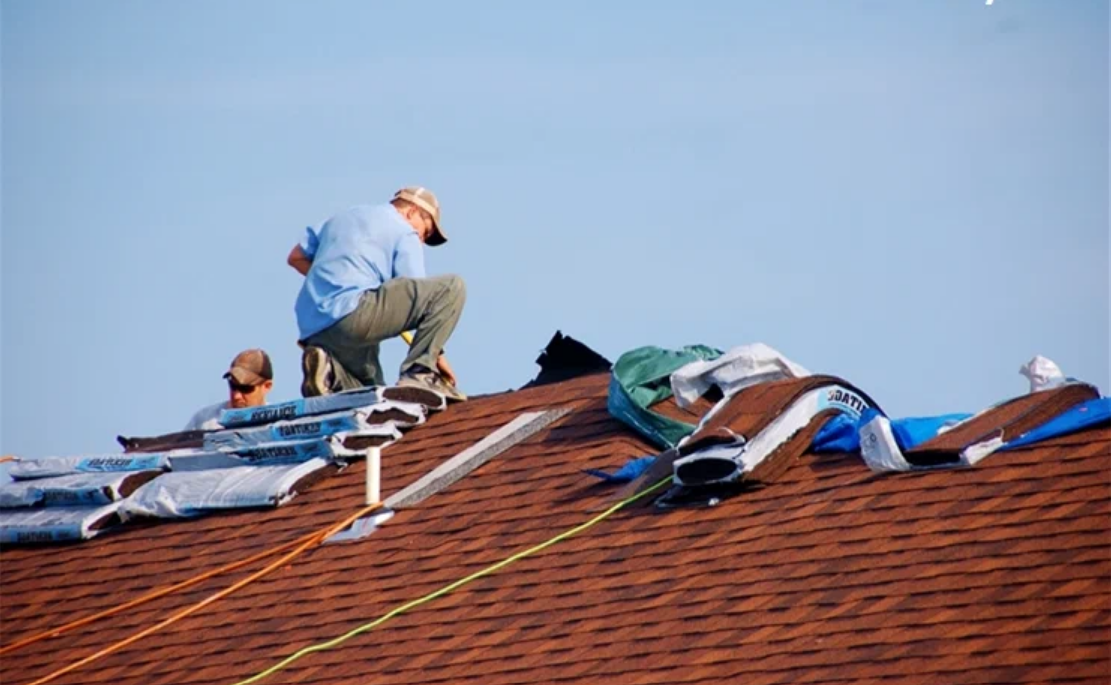
It is a common homeowner's instinct to look at a small water stain on the ceiling or a single curled shingle and think, "I'll get to that next season." However, in the roofing world, time is rarely on your side. What begins as a minor nuisance can rapidly evolve into a structural nightmare. When seeking Roof Repair Services in Belleville, MI, many residents discover that the price of waiting far exceeds the cost of a proactive fix.
At Al’s Roofing & Repairs, we have seen firsthand how a simple $200 maintenance task transforms into a $10,000 restoration project simply because the initial signs were ignored. Understanding the progression of roof damage is the first step in protecting your home and your wallet.
Roofing systems are designed to be shedding mechanisms, not waterproof seals like a swimming pool. When the integrity of that shedding layer is compromised—even by something as small as a backed-up gutter or a cracked vent pipe—water finds the path of least resistance.
One of the first things to go when a roof leaks is your attic insulation. Fiberglass and cellulose insulation lose their R-value (thermal resistance) the moment they become damp. This means your HVAC system has to work twice as hard to maintain temperatures, leading to a spike in monthly utility bills. By the time you notice the leak, you’ve likely already paid for it several times over in wasted energy.
Moisture trapped in a dark, warm attic is the perfect breeding ground for mold. Within 24 to 48 hours of water exposure, spores can begin to colonize. This isn't just a threat to your wood framing; it’s a significant health hazard for your family, potentially causing respiratory issues and allergies. Remediating a mold infestation is often more expensive than the actual local roof leak repair itself.
A complex network of rafters, trusses, and decking supports your roof. When small leaks persist, these wooden components undergo a process called "dry rot" or fungal decay.
Engaging professional Roof Repair Services in Belleville, MI, at the first sign of a "bouncy" roof or sagging ridgeline can prevent a total roof collapse.
From an economic standpoint, ignoring repairs is a gamble against inflation and compounding damage.
To keep your residential roofing maintenance costs low, keep an eye out for these specific red flags:
While a DIY visual check from the ground is a good start, it cannot replace a professional assessment. A certified contractor knows how to spot "telegraphing"—subtle patterns in the shingles that indicate underlying structural shifts. They can also check the integrity of "boots" around plumbing vents, which are notorious for drying out and cracking long before the shingles fail.
Investing in a professional roof inspection once a year (or after major hail storms) is an insurance policy for your peace of mind. It allows you to tackle minor maintenance items—like replacing a few missing shingles or resealing a chimney—before they necessitate a full roof replacement.
Your roof is the primary defender of your home’s value. At Al’s Roofing & Repairs, we believe that transparency and early intervention are the keys to long-term property health. By addressing small concerns today, you ensure that your home remains safe, dry, and energy-efficient for years to come. Don't wait for the puddle on the floor to tell you there's a problem; be proactive and keep your repair costs firmly under control.



