English
 Arabic
 French
 Spanish
 Portuguese
 Deutsch
 Turkish
 Dutch
Dutch
 Italiano
 Russian
 Romaian
 Portuguese (Brazil)
 Greek
Greek

Outsource Social Media Marketing
Other |
2026-02-22 06:48:21
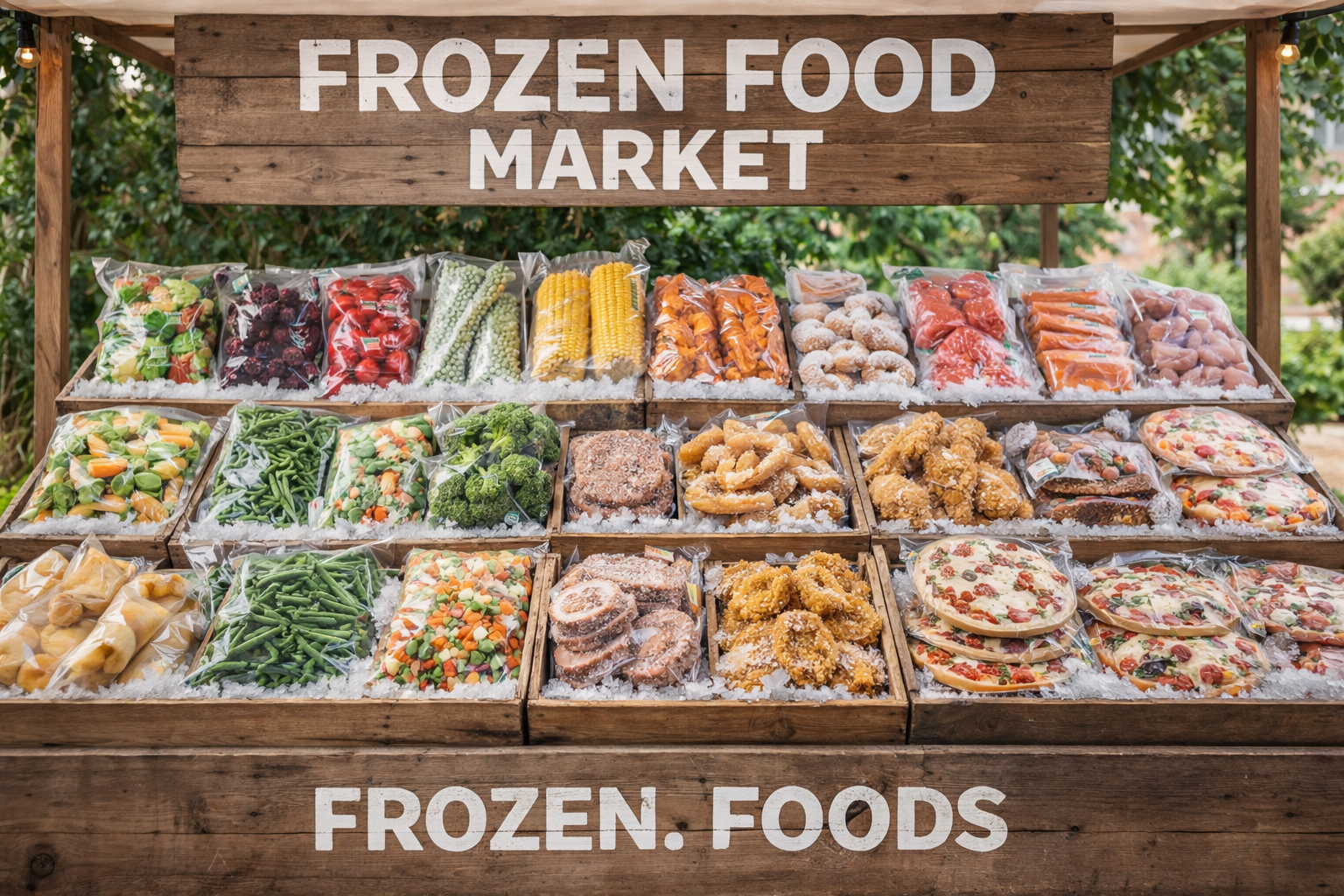
Frozen food includes meals and ingredients preserved through freezing to extend shelf life while maintaining quality. Popular categories include frozen vegetables, meat, seafood, snacks, and ready meals.
The Frozen Food Market is projected to grow from US$ 295.39 million in 2024 to US$ 444.22 million by 2031, registering a CAGR of 6.0% during the forecast period. Market expansion is supported by rapid urbanization, changing dietary patterns, and increasing demand for ready to eat and ready to cook food products.
Modern consumers are increasingly seeking products that save time and effort. Frozen snacks, ready meals, and appetizers reduce preparation time and minimize post meal cleanup, making them ideal for smaller households and working professionals. Millennials and dual income families represent a significant consumer base for frozen food products.
The rise in shelf stable convenience options combined with improved freezing technology has enhanced product quality, taste retention, and nutritional preservation. Unlike many processed foods, frozen products do not necessarily require artificial preservatives, which strengthens their health appeal.
What factors are driving the growth of the Frozen Food Market?
Growth is driven by rising demand for convenience foods, increasing urbanization, plant based product innovation, and expanding online retail channels.
Veganism and plant based eating patterns have gained significant momentum globally. Consumers perceive plant based frozen meals and snacks as healthier and environmentally sustainable alternatives. Manufacturers are responding with gluten free, organic, protein rich, and clean labeled frozen product lines.
Innovation in frozen ready meals and plant based meat substitutes is expanding the addressable market. Companies are launching nutritionally enriched offerings that align with keto, low carb, and high protein diets, thereby strengthening competitive positioning.
Download Sample PDF: https://www.theinsightpartners.com/sample/TIPRE00004541
By type, the market includes frozen desserts, frozen meat, poultry and seafood, frozen bakery, frozen snacks and appetizers, frozen meals, and others. Frozen meals and snacks account for a significant share due to rising demand for convenient home dining options.
In terms of distribution channel, supermarkets and hypermarkets dominate sales due to broad product availability. Online retail is rapidly gaining traction as e commerce penetration increases. The pandemic accelerated online frozen food sales, highlighting digital channels as a long term growth driver.
Europe currently holds a dominant share due to strong retail infrastructure, high disposable income, and widespread acceptance of frozen meals. North America continues to expand steadily as consumers adopt healthier and premium frozen products. Asia Pacific is emerging as a high growth region driven by urbanization and growing middle class populations.
Which region holds significant market share in the Frozen Food Market?
Europe currently holds a dominant share due to strong retail infrastructure and high consumer demand, while North America and Asia Pacific are experiencing steady and rapid growth respectively.
Major companies operating in the Frozen Food Market include:
Conagra Brands
General Mills
McCain Foods Limited
Nestle S.A.
The Kraft Heinz Company
Launch of plant based and gluten free frozen products
Expansion of online retail presence
Investment in advanced freezing technologies
Product diversification across meal categories
Strategic partnerships and retail expansions
The competitive landscape is evolving as established global brands compete with regional innovators. Continuous product launches and nutritional enhancements are shaping market share dynamics. Investors are drawn to the sector due to stable demand, innovation potential, and expanding online distribution.
The Frozen Food Market is expected to maintain strong growth through 2031, supported by convenience trends, plant based innovation, and retail digitization. Companies that focus on premium quality, sustainable sourcing, and nutritional value are likely to capture expanding revenue opportunities. With evolving consumer lifestyles and technological improvements, the market is positioned for sustained long term expansion.
Ready Meals Market Growth, Trends, Analysis Report 2034
Retail Pizza Market: Research Report by Size Share Analysis 2034