


How Professional Pest Inspections Help Prevent Infestations
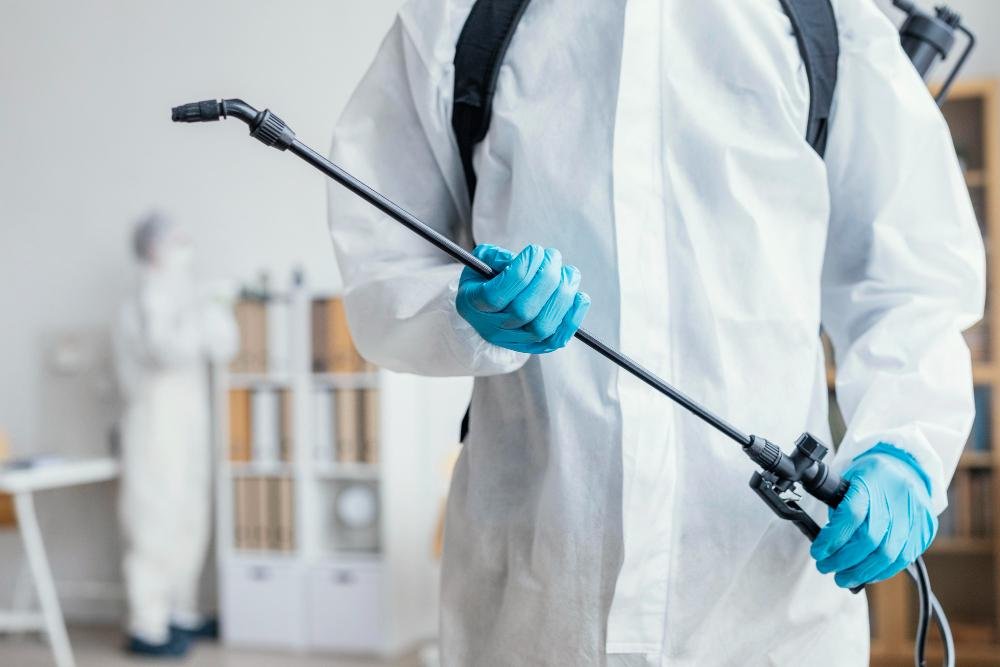
Pest infestations often begin long before homeowners notice the first visible signs. A few ants in the kitchen, occasional scratching sounds in the walls, or a single cockroach may seem like minor issues, but they can indicate a much larger problem hidden within your property. Regular professional pest inspections are one of the most effective ways to identify pest activity early and prevent infestations from becoming costly and difficult to manage.
Rather than waiting until pests cause structural damage or health concerns, professional inspections help detect potential problems before they escalate. From termites and rodents to cockroaches, ants, spiders, and other common household pests, routine inspections provide homeowners with the information and protection needed to keep their homes safe, healthy, and pest-free.
Why Pest Inspections Are Important
Many pests are experts at staying out of sight. They hide inside walls, ceilings, roof cavities, crawl spaces, basements, and under flooring, making it difficult for homeowners to detect them during everyday activities.
By the time pests become visible, they may have already:
- Built large colonies
- Damaged wooden structures
- Contaminated food
- Chewed electrical wiring
- Created nesting areas
- Spread bacteria and allergens
Professional inspections focus on identifying these hidden issues before they become major infestations.
What Happens During a Professional Pest Inspection?
A professional pest inspection is a thorough assessment of your property's interior and exterior. Trained technicians examine areas where pests commonly live, breed, or enter the home.
Typical inspection areas include:
- Kitchens
- Bathrooms
- Laundry rooms
- Roof spaces
- Attics
- Basements
- Crawl spaces
- Garages
- Storage areas
- Exterior walls
- Gardens
- Foundations
- Fences and decks
The goal is to detect current pest activity, identify risk factors, and recommend preventive measures before significant damage occurs.
Early Detection Prevents Major Infestations
One of the greatest benefits of routine pest inspections is early detection.
Small infestations are usually much easier and less expensive to eliminate than large established colonies. Professional technicians can identify subtle warning signs that many homeowners overlook.
These may include:
- Tiny droppings
- Mud tubes
- Nesting materials
- Chewed wood
- Gnaw marks
- Insect wings
- Egg cases
- Moisture damage
- Unusual odors
Finding these signs early allows targeted treatment before pests spread throughout the property.
Identifying the Right Pest
Different pests require different treatment methods. Applying the wrong solution may waste time and allow the infestation to worsen.
Professional inspectors are trained to identify a wide range of pests, including:
- Termites
- Rodents
- Cockroaches
- Ants
- Spiders
- Fleas
- Bed bugs
- Silverfish
- Wasps
- Mosquitoes
Accurate identification ensures that the treatment plan is tailored to the specific pest species and level of infestation.
Preventing Structural Damage
Some pests quietly damage homes while remaining hidden for months or even years.
Termites
Termites feed on timber and other cellulose-based materials, weakening:
- Floor joists
- Roof supports
- Wooden framing
- Doors
- Windows
- Decks
Without regular inspections, termite damage can become extensive before homeowners notice any visible signs.
Rodents
Rats and mice chew electrical wiring, insulation, pipes, and stored belongings. Damaged wiring can increase the risk of electrical fires, while damaged insulation affects your home's energy efficiency.
Professional inspections help detect these issues early, preventing costly repairs.
Protecting Your Family's Health
Pests can introduce harmful bacteria, allergens, and parasites into your home.
Examples include:
- Cockroaches contaminating food preparation areas
- Rodents spreading bacteria through droppings and urine
- Fleas and mosquitoes causing bites and transmitting diseases
- Dust and allergens from pest activity affecting indoor air quality
Routine inspections reduce these health risks by identifying and eliminating pest activity before it becomes widespread.
Identifying Conditions That Attract Pests
Professional pest inspections focus not only on pests themselves but also on the conditions that encourage infestations.
Technicians commonly identify:
- Water leaks
- Standing water
- Poor drainage
- Food sources
- Open rubbish bins
- Cracks around doors and windows
- Damaged roof tiles
- Gaps around utility pipes
- Dense vegetation touching the home
Correcting these issues helps prevent pests from entering and nesting in the future.
Customized Recommendations for Your Home
Every property has unique pest risks based on factors such as:
- Climate
- Property age
- Construction materials
- Landscaping
- Nearby vegetation
- Previous infestations
Following the inspection, technicians provide recommendations tailored specifically to your property.
These may include:
- Sealing entry points
- Improving ventilation
- Repairing leaks
- Trimming trees and shrubs
- Removing wood debris
- Improving waste management
- Scheduling preventive treatments
This personalized advice significantly reduces the likelihood of recurring infestations.
Seasonal Pest Monitoring
Different pests become active during different times of the year.
For example:
- Spring often brings increased termite and ant activity.
- Summer encourages mosquitoes, flies, and cockroaches.
- Autumn drives rodents indoors seeking warmth.
- Winter sees increased indoor activity from mice, rats, and spiders.
Routine inspections throughout the year allow technicians to anticipate seasonal pest activity and recommend preventive treatments before infestations occur.
Saving Money Through Prevention
Many homeowners wait until pests become obvious before seeking professional help. Unfortunately, by then the infestation may require extensive treatment and repairs.
Regular inspections help prevent expenses associated with:
- Structural timber replacement
- Electrical repairs
- Insulation replacement
- Furniture damage
- Food contamination
- Emergency pest treatments
Preventive inspections are a cost-effective investment compared to repairing extensive pest damage.
Supporting Long-Term Pest Management
Professional inspections form the foundation of a comprehensive pest management program.
Rather than relying solely on chemical treatments, ongoing inspections allow technicians to:
- Monitor pest activity
- Evaluate previous treatments
- Detect new infestations
- Adjust prevention strategies
- Maintain long-term protection
This proactive approach provides more reliable results than treating infestations only after they become severe.
Tips for Homeowners Between Inspections
While professional inspections are essential, homeowners can further reduce pest risks by following good maintenance practices.
Simple steps include:
- Keep kitchens clean.
- Store food in airtight containers.
- Empty rubbish regularly.
- Repair leaking taps and pipes.
- Remove standing water.
- Seal cracks around windows and doors.
- Keep gardens well maintained.
- Trim vegetation away from the house.
- Inspect your property for unusual signs of pest activity.
Combining these habits with routine inspections creates a strong defense against household pests.
How Often Should Pest Inspections Be Scheduled?
The ideal inspection frequency depends on your property's location, age, and previous pest history.
Many homeowners benefit from:
- Annual termite inspections
- Quarterly general pest inspections
- Seasonal rodent monitoring
- Additional inspections following severe weather or nearby construction
A professional pest control company can recommend a schedule that suits your property's specific needs.
Choosing the Right Pest Inspection Service
When selecting a pest inspection provider, look for a company that offers:
- Licensed and experienced technicians
- Thorough property inspections
- Detailed inspection reports
- Customized recommendations
- Preventive maintenance plans
- Safe treatment options
- Transparent pricing
- Reliable follow-up support
A reputable company will focus on both identifying current pest activity and helping prevent future infestations.
Conclusion
Professional pest control services are one of the most effective ways to protect your home from costly infestations and property damage. By identifying hidden pest activity, detecting early warning signs, and addressing conditions that attract pests, routine inspections allow homeowners to take action before small problems become major repairs.
Whether you're concerned about termites, rodents, cockroaches, ants, or seasonal pests, regular inspections provide peace of mind and long-term protection. Investing in professional pest inspections not only safeguards your property but also creates a healthier, cleaner, and more comfortable home for your family throughout the year.

 English
 Arabic
 Spanish
 Portuguese
 Deutsch
 Turkish
 Dutch
Dutch
 Italiano
 Russian
 Romaian
 Portuguese (Brazil)
 Greek
Greek